Fascinating Things to Know Before Travelling to Vanuatu
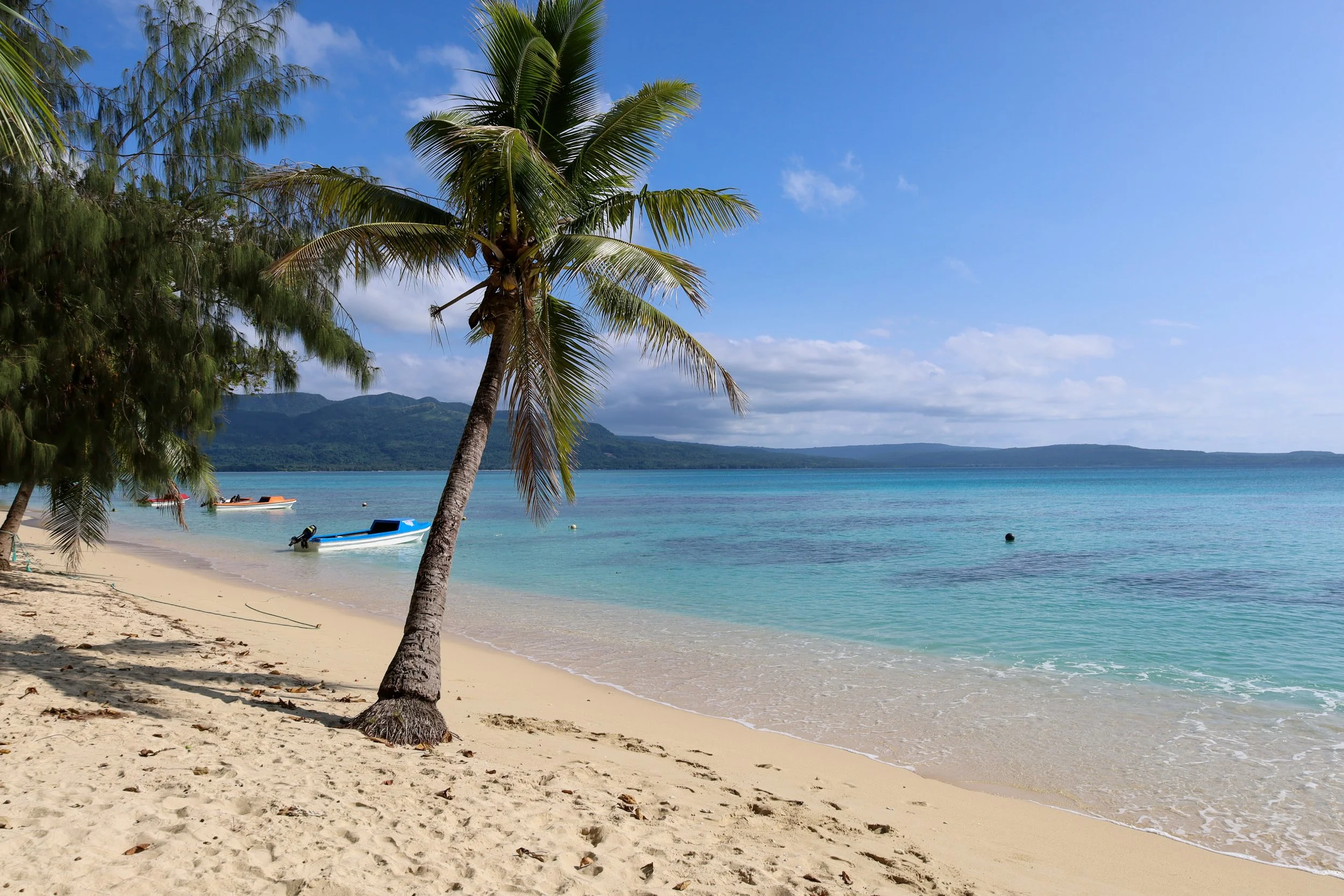
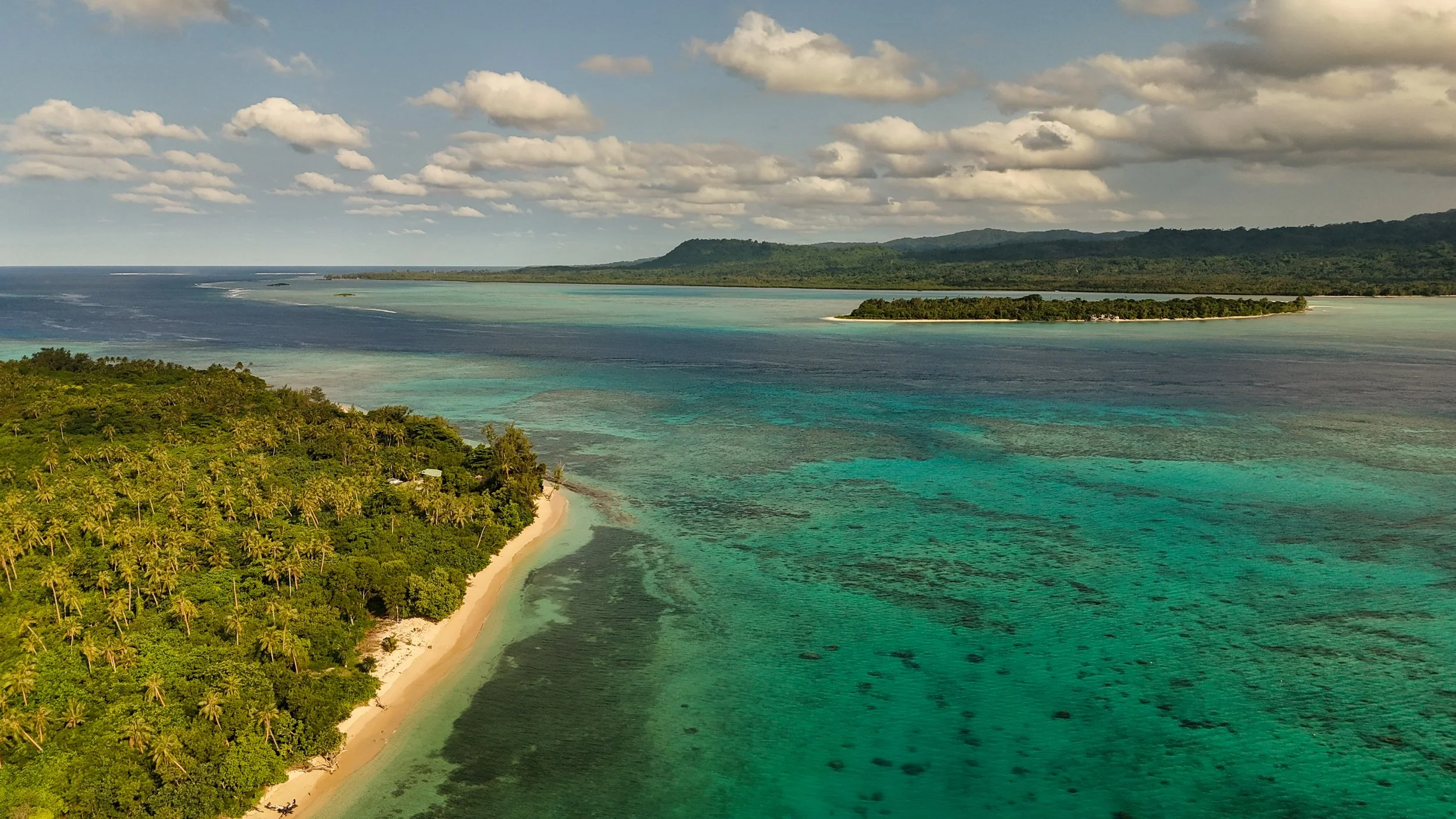
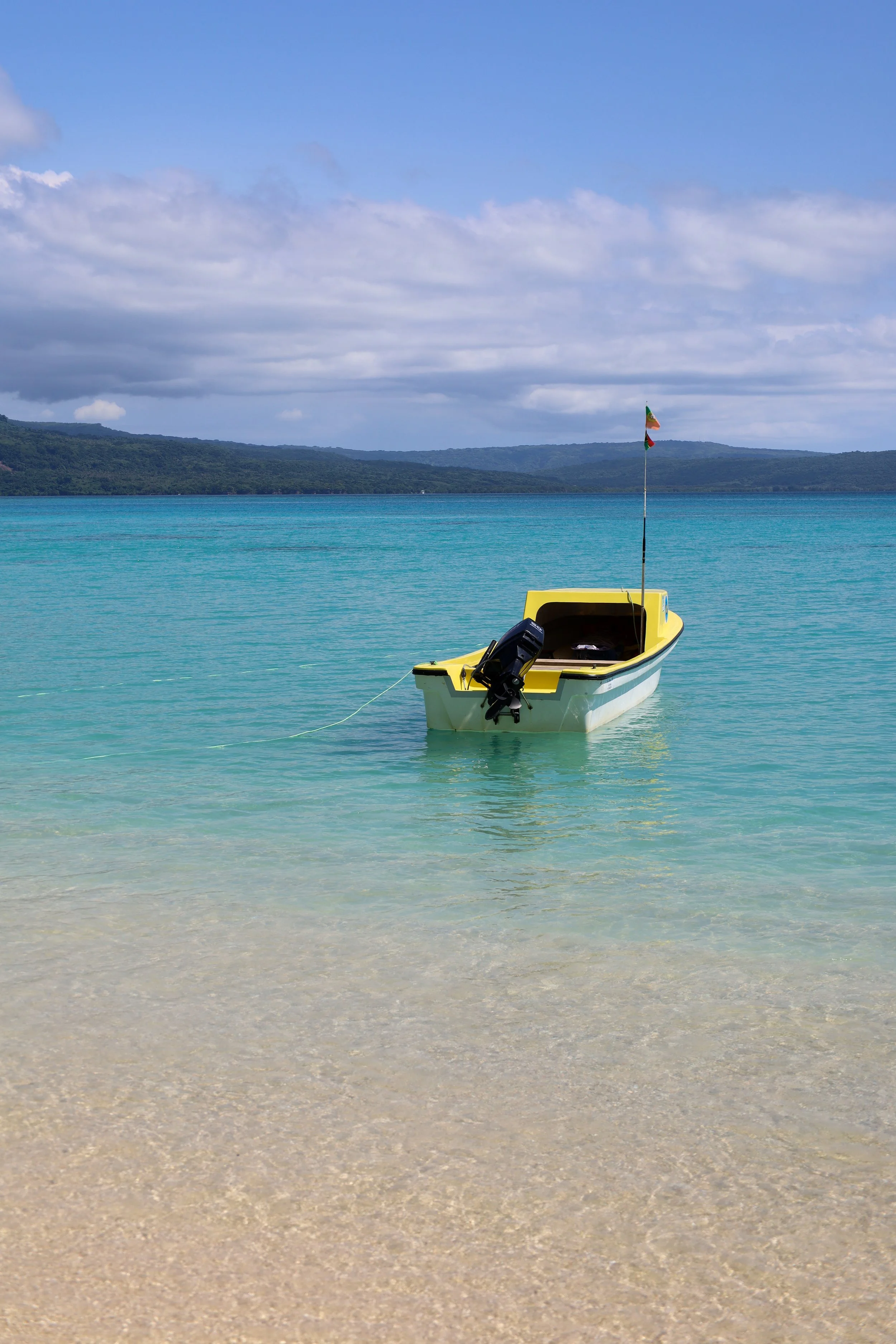
Paradise on Pele Island in Vanuatu.
Before visiting Vanuatu, I thought I knew what to expect. Tropical islands. Friendly locals. Easy holiday vibes. What I didn’t expect was how deeply different daily life would feel, in the best possible way.
Vanuatu isn’t curated for tourists. It runs on community, tradition, and a rhythm that has nothing to do with schedules or convenience. And if you go in prepared, it will absolutely change the way you travel.
Here’s what genuinely surprised me, and what I wish more travellers knew before arriving.
1. Thongs (Flip-Flops) Are the Official Footwear - For Everything
I’m not exaggerating when I say thongs (flip-flops) are worn:
At work
At school
On construction sites
In offices
You’ll rarely see enclosed shoes unless someone’s hiking or working in specific trades. It’s casual, practical, and completely normal.
Takeaway: Leave the fashion expectations at home. Comfort wins here.
2. Kava Is a Way of Life (And It Tastes Like Muddy Water)
Kava isn’t a novelty drink in Vanuatu, it’s woven into everyday life.
Made from the root of the kava plant, it looks like muddy water and… tastes exactly like muddy water. But the experience isn’t about flavour.
After one bowl:
Your lips and tongue start to tingle
Your jaw feels heavy
Your body and mind slows down
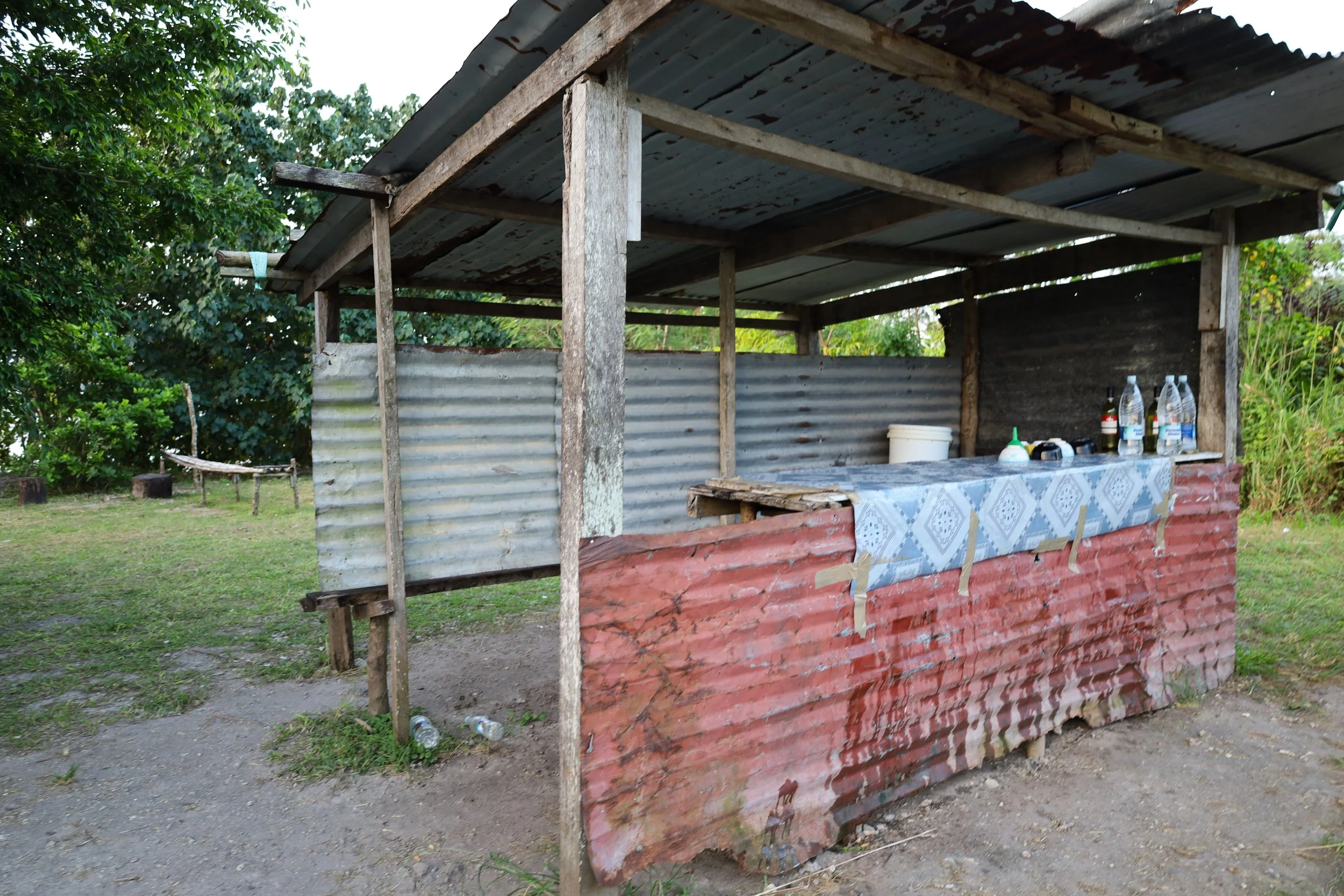
Locals drink kava the way Australians crack a beer after work… to unwind and socialise. Kava bars open around sunset and are often marked by a single lightbulb.
Light on = kava available. Light off = kava’s finished.
3. Road Rules Are… More Like Suggestions
There are:
No traffic lights
Endless potholes (I’m not exaggerating here)
Very relaxed rules
Buses (marked with a B on the plate) usually have right of way. Taxis have a T, hire cars an H.
Traffic in Port Vila can be surprisingly bad… a 20-minute drive can easily turn into 40 minutes to an hour during weekdays.
Drive slow. Expect chaos. Embrace it.
4. Buses Don’t Have Routes or Timetables
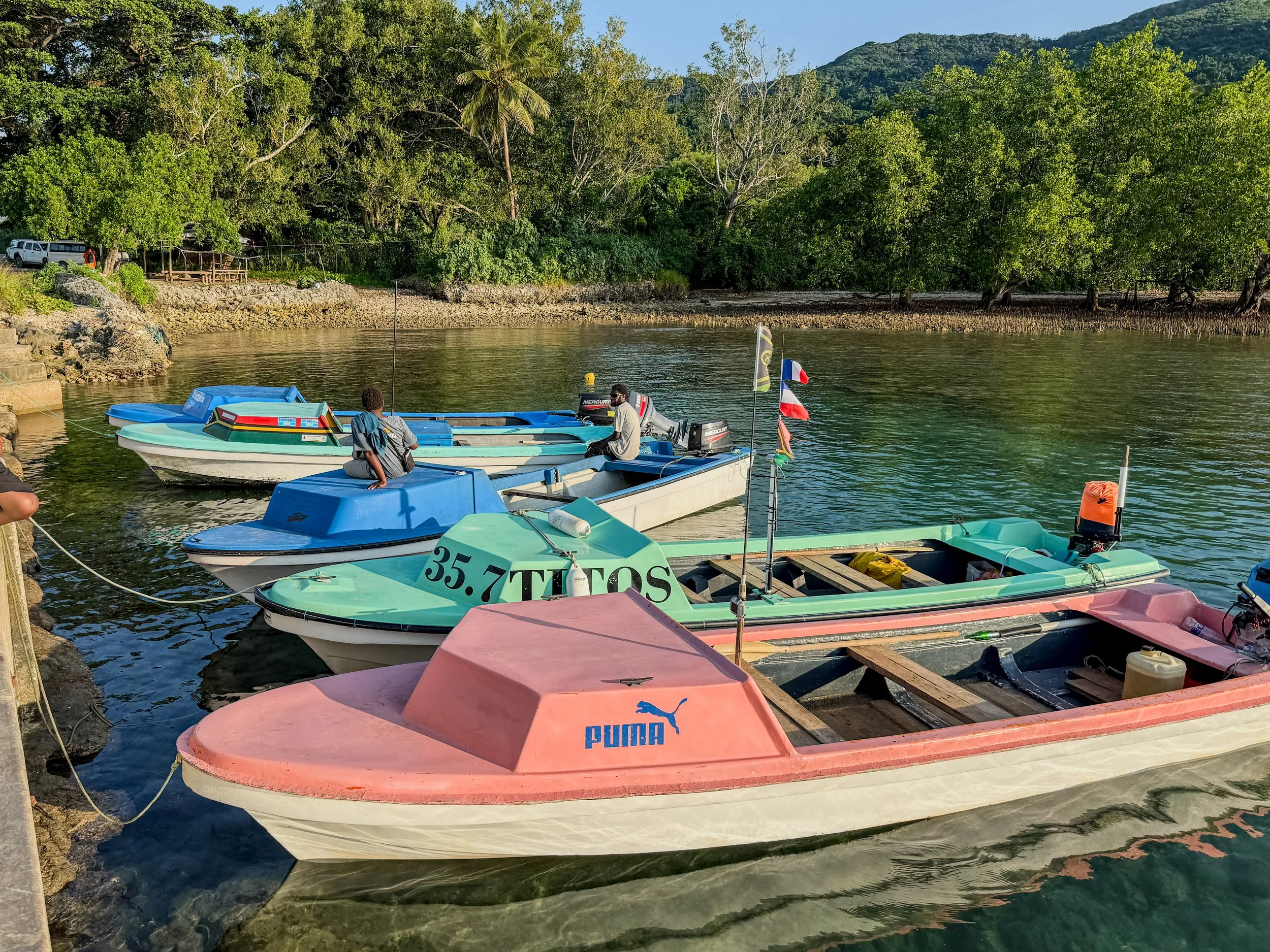
Local buses are more like shared vans.
You hop on, tell the driver where you want to go, and they’ll take you there… eventually. The price depends on:
Where you’re going
Who else is onboard
How many stops happen along the way
It’s cheap, social, and unpredictable.
5. Cash Is King (And Card Fees Hurt)
This one caught us out.
Card fees in Vanuatu can be up to 3.5%, which adds up fast when paying for accommodation. Use cash where you can.
What surprised me most: The best place to exchange money is actually the airport in Port Vila, especially if you’re arriving from Australia. Normally I avoid exchanging cash at airports, but Vanuatu was the exception.
Tip: Withdraw or exchange cash early and use it wherever possible.
6. Alcohol Laws Are Strict (But Resorts Are the Loophole)
On certain days of the week, supermarkets are legally not allowed to sell alcohol.
You can still:
Drink at resorts
Order alcohol at (most) restaurants and bars
Plan ahead if you’re self-catering.
7. Sunday Is a Religious Day - Plan Accordingly
Most businesses close on Sundays.
What is open:
Waterfalls
Beaches
Most nature-based attractions
Pre-arranged tours
It’s actually a beautiful day to slow down, but don’t expect shops or tours to be running as usual.
8. Tipping Isn’t Expected
There’s no tipping culture here. Prices are fixed. There’s no haggling.
If you want to show appreciation, a genuine thank you means more than money.
9. Potholes Are Everywhere (And I Mean Everywhere)
Vanuatu has some of the worst roads I’ve experienced globally.
Even where the speed limit is 80km/h, you may be crawling at 5km/h just to avoid damaging your car. Locals jokingly call them “massaging roads”. They are manageable in a 2WD, though this is one reason hiring a guide or driver can be a smart move.
10. You Might Ride in the Back of a Truck - And That’s Normal
Many locals commute in the back of utes or trucks, often with bench seating built in. This is especially the case on Tanna Island.
It’s efficient, communal, and completely normal here.
11. Crime Is Low, But Common Sense Still Applies
Vanuatu is considered very safe. In one area, we were told there were only two people in prison.
Still:
Lock valuables
Use common sense
Respect local customs
12. You Can’t Swim Everywhere Around Port Vila
Some lagoon areas are polluted and not safe for swimming. Always check with your accommodation before swimming, and choose your stay accordingly if ocean swimming matters to you.
Are you planning to visit Port Vila? Explore the Best Things to Do on Efate Island.
13. Vanuatu Has One of the Most Active Volcanoes on Earth
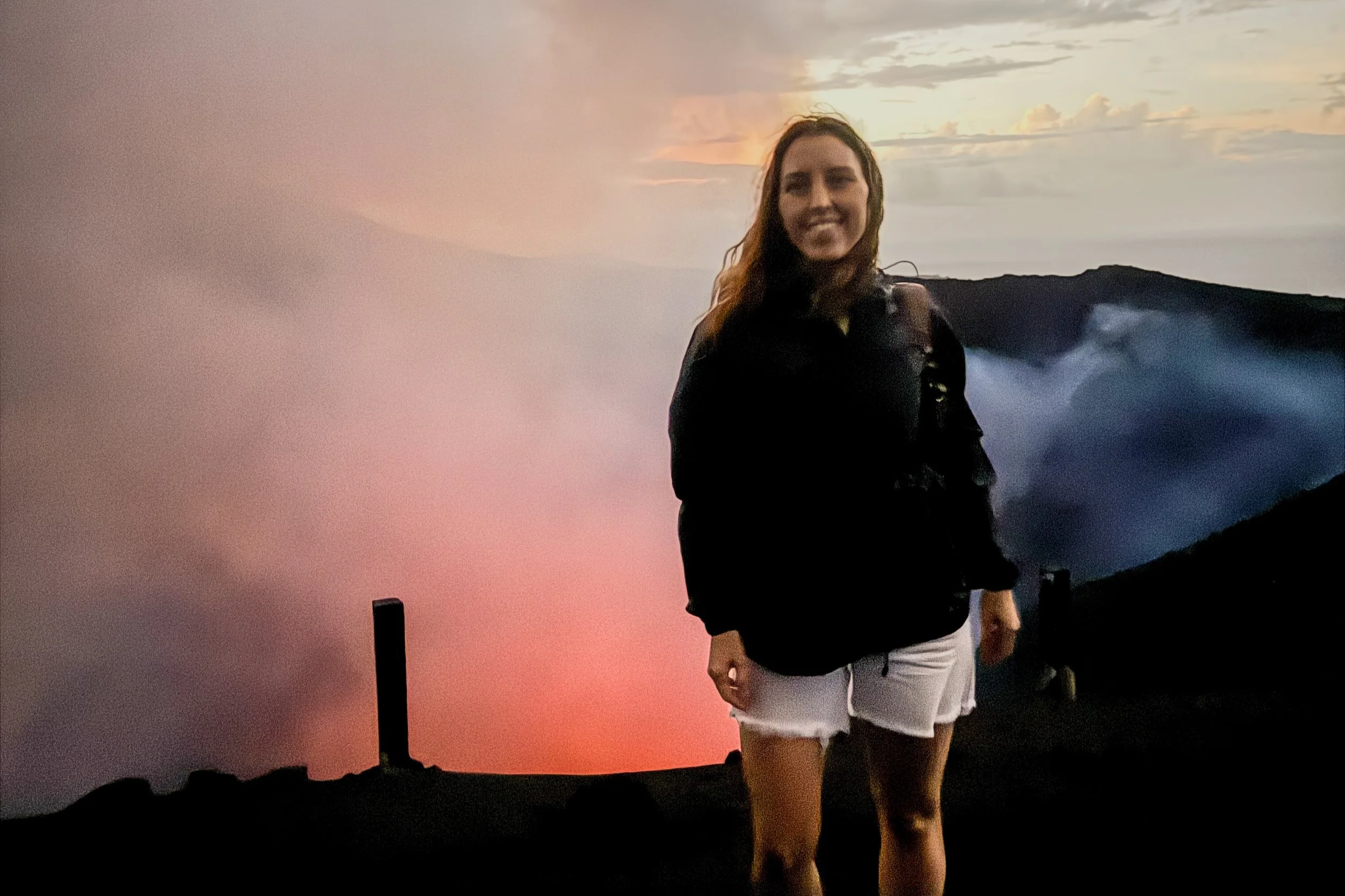
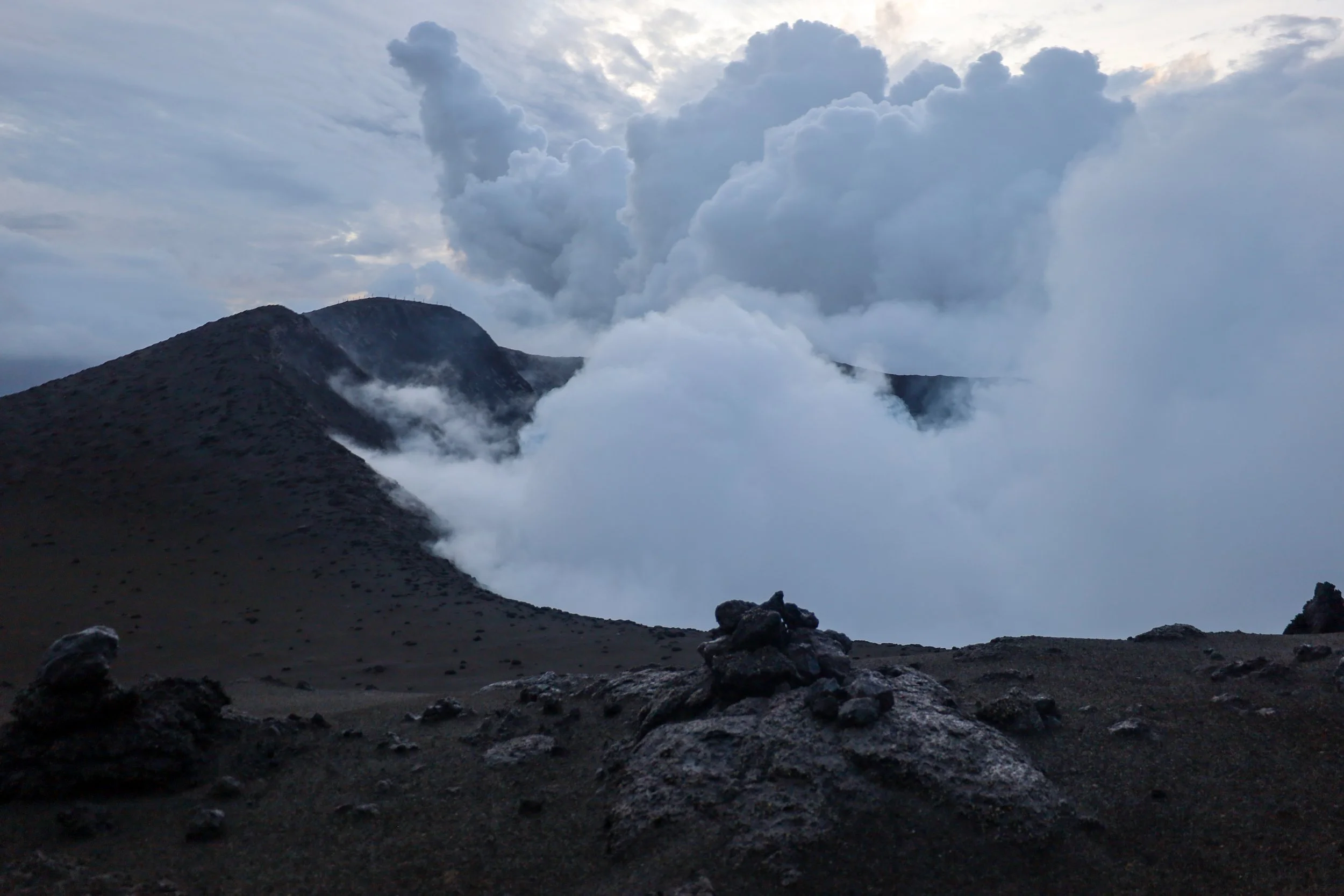
On Tanna Island, you can stand on the rim of Mount Yasur and watch lava erupt metres away.
It’s loud. Raw. Unforgettable.
This alone makes Vanuatu worth the trip. It’s one of the most accessible volcanoes in the world. A real bucket list adventure.
Planning a visit to Tanna Island? Explore my Guide to Visiting Tanna Island and Mount Yasur.
14. Black Magic Is Still Believed In
Especially on Tanna Island, black magic isn’t folklore, it’s a genuine belief system.
People speak about it seriously, quietly, and with respect.
Discover the Best Things to Do on Tanna Island.
15. Dowries Work the Opposite Way Here
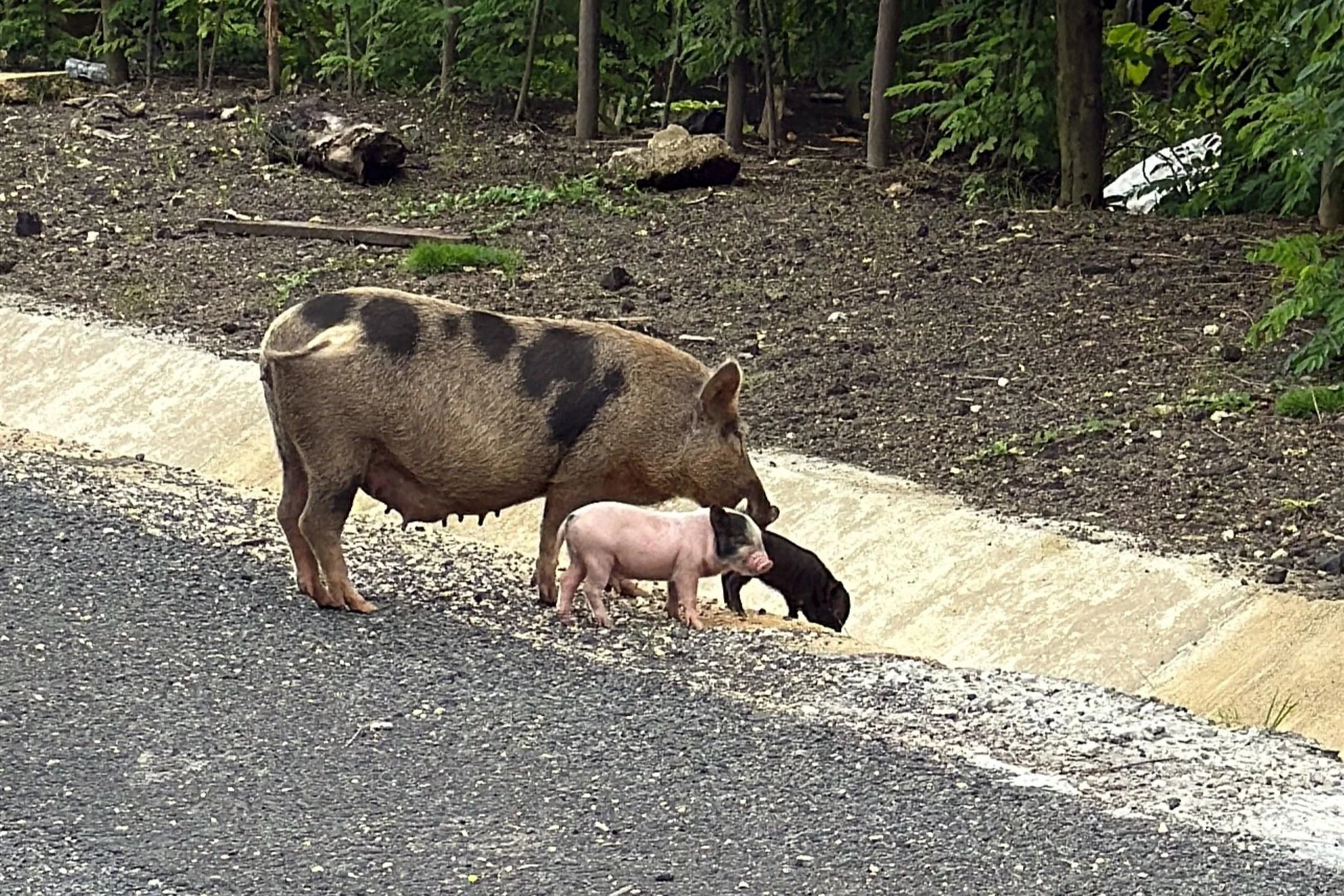
In villages, men pay a dowry to the woman’s family… often in pigs, kava, and traditional goods.
Young boys may start raising pigs early to prepare for future marriage.
16. Banyan Trees Are Cyclone Shelters
November to April is Cyclone season in Vanuatu. In rural areas, traditionally people sheltered inside the roots of banyan trees during cyclones.
Traditionally, food is stored in ingenious ways in preparation for cyclones, like grated banana dried, wrapped in leaves, and buried for long-term storage.
17. Vanuatu Has Over 100 Local Languages
Despite being small, Vanuatu has one of the highest linguistic diversities in the world across the 83 islands. .
Most locals speak:
A local language
Bislama
English and/or French
With so many islands to choose from, it can be hard to decide where to start. Explore my guide on Which Vanuatu Island Should You Choose.
18. The Happiest People You’ll Ever Meet
Vanuatu has been named the happiest place in the world, twice, according to the Happy Planet Index.
And you feel it. The smiles are real. The warmth is effortless.
19. Vanuatu Has a Cannibalism History
Yes, it’s true… cannibalism existed in parts of Vanuatu, particularly on islands like Malekula and Tanna.
But it wasn’t about savagery. It was tied to:
warfare
revenge
belief systems
power and protection
Today, locals speak about it openly, not with shame, but with context. It’s part of their history, not something to sensationalise or hide from.
20. Land Diving Inspired Modern Bungee Jumping
On Pentecost Island, men still perform Naghol (land diving)… leaping from wooden towers with vines tied to their ankles.
This ritual:
marks the yam harvest
symbolises masculinity and renewal
inspired modern bungee jumping
It’s not done for tourists. It’s done for tradition.
21. Fire Twirling Isn’t Just a Performance - It’s Cultural Storytelling
Fire shows in Vanuatu aren’t just entertainment. Fire twirling has roots in:
ceremony
storytelling
displays of skill and bravery
Watching a fire show at places like beach bars hits differently when you understand it’s not imported Polynesian flair, it’s deeply Melanesian.
22. Yes, You’ll Drink Tusker Beer (And You Should)
Tusker is everywhere, and it’s earned its place.
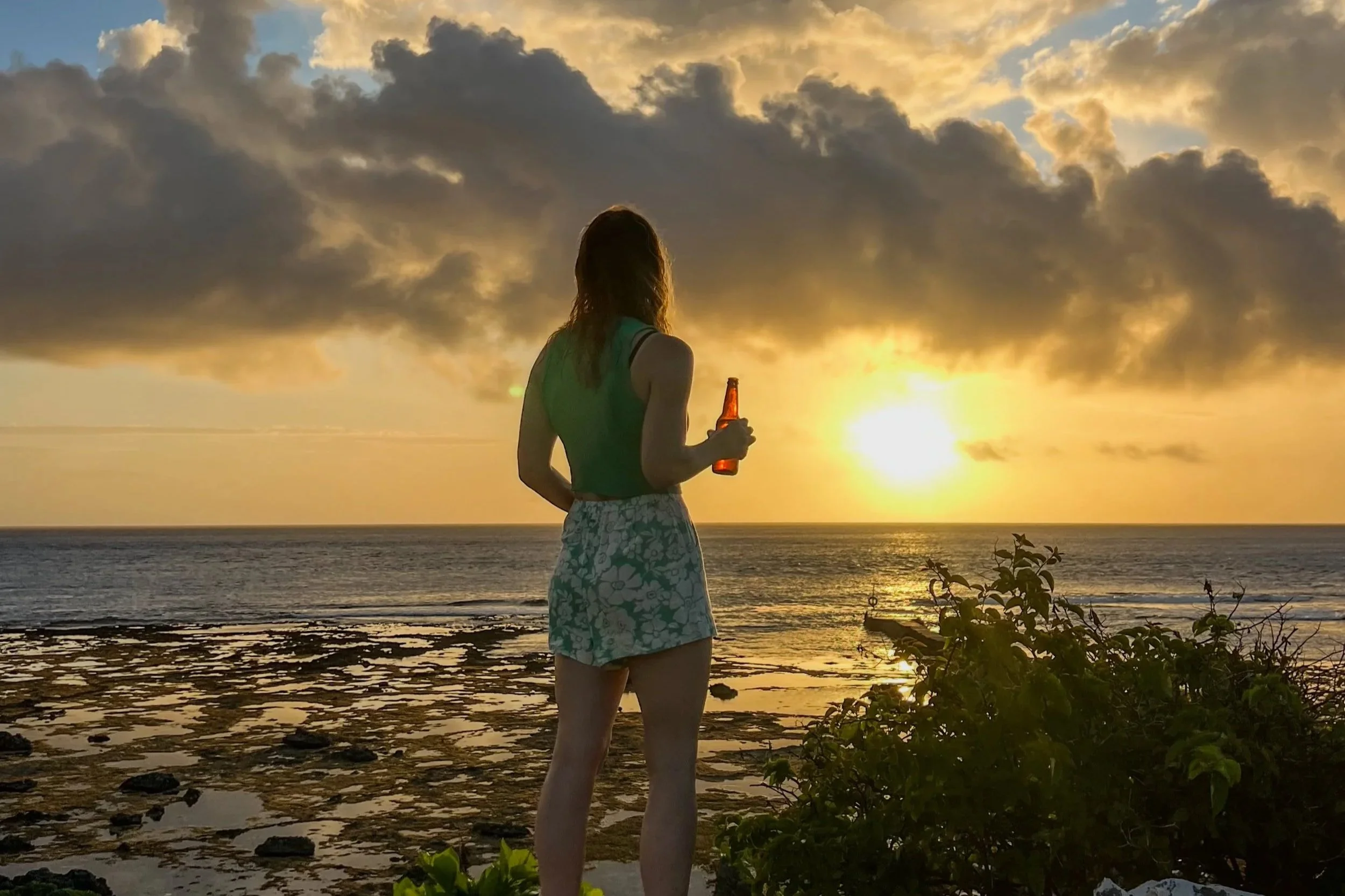
Cold, crisp, and perfect at sunset, this local beer is part of the Vanuatu experience. Bonus points if you’re drinking it barefoot after a day in the ocean.
Tip: With four flavours to choose from… Premium, Bitter, Lemon, and Overproof… I recommend tasting your way through to find your faves. Mine are Premium and lemon.
23. Local Coffee & Chocolate Are Quiet Standouts
Vanuatu surprised me with its produce.
Tanna Coffee is grown on volcanic soil and genuinely excellen
locally made chocolate uses island-grown cacao
gin lovers can visit the 83 Islands Distillery on Efate
It’s not flashy, it’s honest.
24. WWII Left Its Mark - And You’ll Still See It
Vanuatu played a significant role in World War II, particularly around Efate.
You’ll still find:
war relics
old airstrips
rusting machinery
It adds another layer to the islands, one you don’t expect when you arrive for turquoise water and palm trees.
25. Water Dancing is Storytelling Led By Women
One of the most mesmerising cultural experiences in Vanuatu happens waist-deep in water.
In parts of Santo and nearby islands, women perform what’s often referred to as water dancing. But calling it a “dance” doesn’t quite capture what it really is. This is storytelling through movement… hands skimming the water, bodies moving in rhythm, splashes becoming part of the expression.
FAQs: Things to Know Before Visiting Vanuatu
Is Vanuatu safe for first-time travellers?
Yes. It’s friendly, welcoming, and safe with basic precautions.
Do I need cash in Vanuatu?
Absolutely. Cash saves you money on card fees and is widely preferred.
Can you drink tap water in Vanuatu?
In resorts and in Port Vila, often yes. Elsewhere, bottled or filtered water is recommended.
What’s the best time to visit Vanuatu?
Dry season (May-October). Cyclone season runs November-April.
Vanuatu combines picture perfect beaches and coconut trees with cultural depth and adventure. With 83 islands to choose from, you can create an itinerary that’s truly unique to you… one that you’ll be raving about for years.
Ready to Travel Smarter (and Deeper)?
Vanuatu rewards the travellers who arrive curious, prepared, and open-minded.
If you’re planning your trip:
👉 Join my email list and for tips, guides and resources to help you travel smarter
👉 Explore my full Vanuatu travel guides to plan with confidence
Because the best trips aren’t just about where you go, they’re about what you understand when you get there.
Disclosure: This blog includes affiliate links. I will be paid a commission if you use these links to make a purchase.