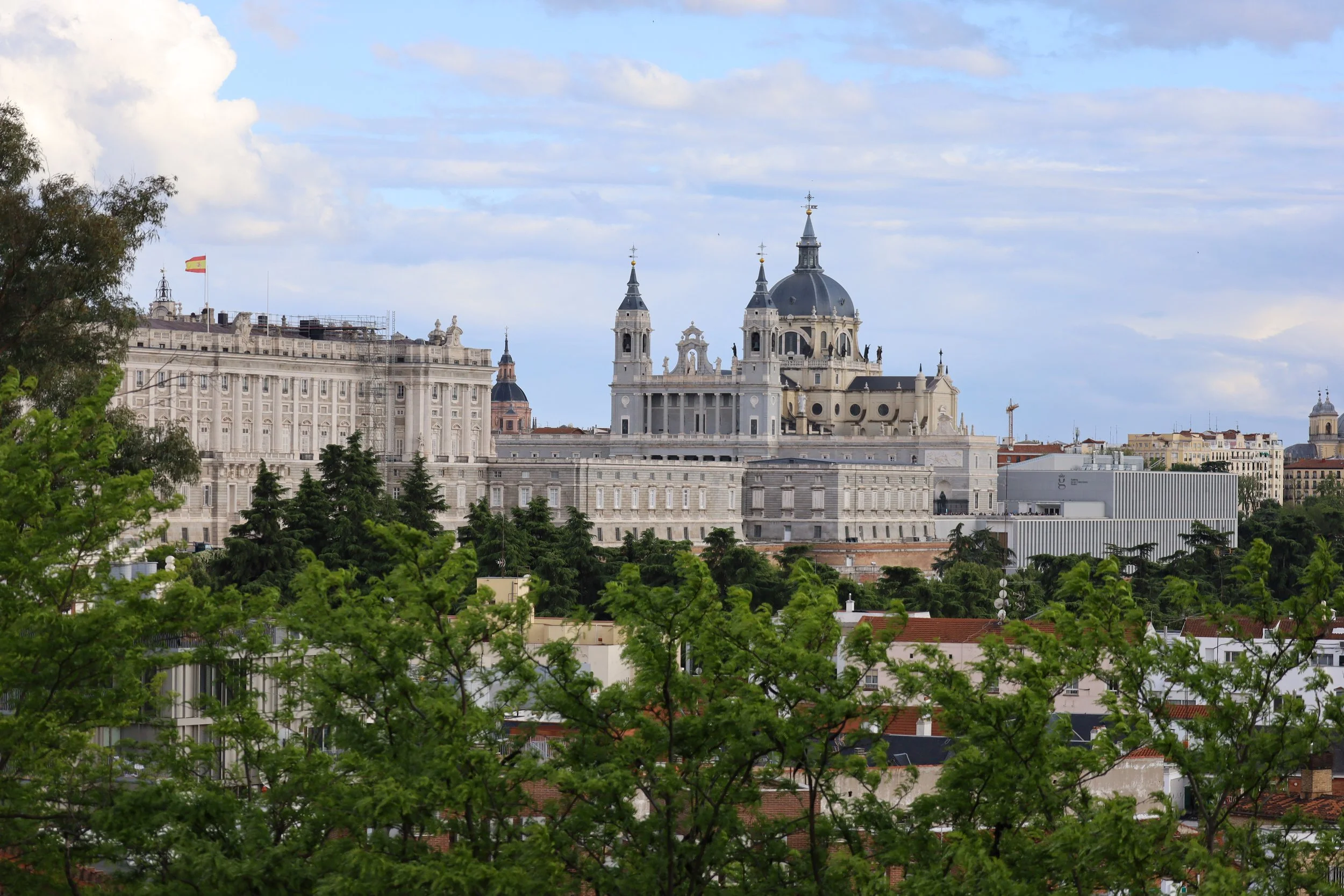
Madrid was more than I had imagined.
The Spanish city I nearly overlooked
Madrid wasn't originally on my Spain bucket list.
When I pictured visiting Spain, my mind went straight to the colourful streets of Barcelona, the Moorish architecture of Andalusia and the little white villages I'd seen in photographs. Madrid? I imagined corporate buildings, busy business districts and a city that was more functional than fascinating.
I couldn't have been more wrong.
By the time we arrived in Madrid, we'd already been travelling around Spain for almost a few weeks. We'd explored different cities, experienced some incredible places and packed a lot into our trip. We were getting towards the end of our adventure, and honestly, we didn't arrive with a list of things to see and do. In fact, we arrived without a single plan (which is very unlike me).
We just wanted to decompress and enjoy ourselves… and that's exactly what we did.
We wandered through historic streets, watched street performers, stumbled across lively plazas, discovered bars we'd happily have spent longer in, ate our way around the city and experienced a flamenco show that brought Spanish culture to life. We saw centuries-old restaurants, explored free parks and spent evenings soaking up the atmosphere rather than rushing from one attraction to the next.
Madrid felt alive. It had history, a great food scene, and a nightlife that offered far more than your usual tourist bar crawl.
But that's travel, isn't it? Sometimes the places you plan for months end up being a little disappointing, while the ones you almost overlook become the places you can't stop talking about. Madrid was firmly in the second category for me.
If you're planning a trip to Spain, don't make the same mistake I did and dismiss Madrid before you've given it a chance. Whether you're interested in history, architecture, food, live music, football (soccer) or simply experiencing a city at its own pace, Madrid deserves a place on your itinerary.
In this Madrid travel guide, I'll share the best things to do, the neighbourhoods worth exploring, where to eat and drink, practical travel tips, and how to make the most of 24 or 48 hours in the Spanish capital.
Is Madrid worth visiting?
Absolutely. And I'd argue it's particularly worth visiting if you enjoy experiencing destinations beyond their most famous landmarks. Madrid is Spain's capital, but it's much more than an administrative centre. It's a city of grand royal architecture, neighbourhood markets, traditional taverns, world-class art museums, historic cafés, late-night bars and enormous green spaces.
What surprised me most was how much I enjoyed simply being there without an agenda.
Madrid is a great destination for travellers who want to:
Explore centuries of Spanish history and architecture
Experience flamenco and live music in intimate venues
Discover neighbourhoods with distinct personalities
Eat and drink their way through markets, local bars and historic restaurants
Spend time in beautiful parks and public squares
Experience Spanish football culture
Enjoy a European city break without feeling that every moment needs to be planned
It's also a useful addition to a longer Spain itinerary. If you're already visiting Barcelona, Seville, Granada or other parts of Andalusia, Madrid offers a different perspective on the country.
My advice? Allow at least two days if you can. You can see some of the main sights in 24 hours, but 48 hours gives you more room for neighbourhood exploring, a leisurely meal and an evening experience.
Best things to do in Madrid
Madrid has plenty of major attractions, but some of my favourite experiences were about the atmosphere rather than ticking off landmarks. Here's where I'd start.
1. Visit the Royal Palace of Madrid
The Royal Palace of Madrid, or Palacio Real, is one of the city's most impressive historic landmarks.
Built on the site of a former royal fortress, the palace is a grand display of royal architecture, ornate rooms and centuries of Spanish history. Inside, you'll find elaborate rooms, ceremonial spaces, decorative interiors and a glimpse into Spain's royal past.
Even if you're not someone who normally spends hours visiting palaces, it's worth considering. The scale of the building and its setting give you a sense of Madrid's history that you simply won't get from wandering the streets alone.
My tip: explore the surrounding area as well. Plaza de Oriente is a lovely place to admire the palace from outside, and the nearby Almudena Cathedral makes a natural addition to your walk.
If you want to go inside, check the official opening hours and ticket availability before visiting. Entry arrangements can change, and access may be affected by official events. Buy tickets early, as they usually sell out. When we visited, tickets were sold out a week. in advance.
2. Watch the sunset at the Temple of Debod
An ancient Egyptian temple in the middle of Madrid? Yes, really.
The Temple of Debod is one of Madrid's more unexpected attractions. Originally from Egypt, the ancient structure was gifted to Spain in recognition of its assistance with the preservation of monuments threatened by the construction of the Aswan High Dam.
Today, it sits in Parque de la Montaña, surrounded by gardens and open space, with views across the city. It's a fascinating contrast: an ancient Egyptian monument in the heart of the Spanish capital.
The temple itself is interesting, but the surrounding park is a particularly good place to slow down and take in the scenery. Sunset is a popular time to visit, when the changing light creates a beautiful backdrop for photographs. It’s a popular spot at golden hour, for good reason.
My tip: arrive before sunset rather than turning up at the last minute. Give yourself time to wander around the grounds, find a good viewpoint and enjoy the atmosphere.
3. Experience an authentic flamenco show
If there's one experience I'd encourage you to make time for in Madrid, it's flamenco. We watched a performance at Tablao Flamenco Torres Bermejas, and it was a brilliant way to experience a different side of Spanish culture.
Flamenco combines music, singing, rhythmic footwork and expressive dance. It's intense, emotional and full of energy, and seeing it performed live is very different from watching a short clip online.
A tablao is a venue dedicated to flamenco performances, often designed to bring the audience close to the performers. I'd recommend booking an evening show and building the rest of your night around it. Enjoy dinner beforehand or head out for drinks afterwards and let the evening unfold.
Something very few people know about me, is I used to be a professional dancer. I learned flamenco back when I was studying performing arts full time in my late teens and early 20’s. I understand the difficulties of creating different rhythms with your feet and hands (using castanets) at the same time, while creating beautiful movement. I love live performance, and experiencing flamenco across Spain… in theatres, restaurants, and impromptu street performances… it was a highlight of the trip.
My tip: choose a performance because you're genuinely interested in experiencing flamenco, not just because it's on a list of tourist attractions. Check the show format, duration, seating and whether food or drinks are included when booking.
4. Wander through Madrid's plazas
Madrid's plazas are an essential part of understanding the city's character. They're gathering places, meeting points and spaces where everyday life plays out amongst the historic architecture.
A few worth adding to your walking route include:
Plaza Mayor: Madrid's famous historic square, surrounded by striking architecture and arcades.
Puerta del Sol: one of the city's busiest central meeting points and home to the famous Kilometre Zero marker.
Plaza de Oriente: a beautiful square between the Royal Palace and the Teatro Real.
Plaza de Santa Ana: a lively area in the Literary Quarter, with theatres, bars and plenty of places to stop for a drink.
Plaza de la Villa: a smaller historic square with buildings that reflect Madrid's medieval past.
Plaza de España: a large open square near Gran Vía and the route towards the Temple of Debod.
Don't rush through all of them just to say you've been. Pick a few, wander the surrounding streets and see where you end up.
A word of advice: the restaurants directly overlooking Madrid's most famous plazas can be expensive (often marked up for tourists), and a prime location doesn't guarantee a great meal. Have a look at the menu before sitting down, then explore the nearby side streets for better-value options. More on that shortly!
5. Eat churros at a historic Madrid chocolatería
Churros con chocolate are one of those Spanish food experiences worth trying at least once. Churros are fried dough pastries, traditionally served with a thick hot chocolate for dipping. They're especially popular for breakfast, an afternoon treat or a late-night snack after an evening out.
Madrid is home to historic chocolaterías, including the famous Chocolatería San Ginés, which has been serving customers since 1894. There's something enjoyable about stepping into an old establishment, ordering a plate of churros and watching the city carry on outside.
It's also a good reminder that not every memorable travel experience needs to involve a major attraction. Sometimes it's a café, a snack and a little time to watch the world go by.
My tip: visit outside the busiest periods if you prefer a quieter experience.
6. Visit El Rastro market
If your visit falls on a Sunday or public holiday, make time for El Rastro. This famous open-air flea market takes over streets around La Latina, with stalls selling everything from vintage finds and antiques to clothing, accessories and more.
It's a very different experience from shopping in Madrid's main commercial areas. The fun is in wandering, browsing and seeing what catches your eye. El Rastro is officially scheduled on Sundays and public holidays from 9 am to 3 pm. The market can get crowded, particularly later in the morning, so arriving earlier gives you more time to browse.
My tips for visiting El Rastro:
Arrive early if you want to browse before the biggest crowds
Keep your phone and valuables secure in busy areas
Bring cash as a backup, but check prices and payment options with individual sellers
Don't be afraid to explore the surrounding streets, where you'll find shops and places to eat
Stay for lunch or drinks in La Latina after the market winds down
If you're visiting Madrid on a weekday, the surrounding neighbourhood still has shops and antique dealers, but the full street market won't be operating.
My favourite part of this experience was watching multiple street performances in the surrounding streets, where locals were singing and dancing and just enjoying life.
7. Explore El Retiro Park
Madrid isn't all grand buildings and busy streets, and El Retiro Park is a reminder to slow down. This expansive green space is one of the city's best places for a walk, a break from sightseeing or simply spending time outdoors. You'll find tree-lined paths, gardens, monuments and the famous boating lake.
Look out for the Crystal Palace, known as the Palacio de Cristal, a glass structure set among the park's greenery. Check ahead for current access, as exhibition spaces and buildings within the park can have changing schedules. It was under renovation at the time we visited.
I'd recommend visiting in the morning or late afternoon, especially during warmer months. You can easily spend an hour or two exploring without feeling like you're doing another sightseeing marathon.
The park is free to enter, although opening times vary seasonally and some areas may close during severe weather.
My tip: pair El Retiro with a visit to the nearby Prado Museum if art is your thing, or simply enjoy the park and the surrounding neighbourhood if you'd rather keep the day relaxed.
8. Step inside Sobrino de Botín, one of Madrid's most historic restaurants
You don't need to be a foodie to appreciate a restaurant with nearly three centuries of history.
Sobrino de Botín, known as Botín, was founded in 1725 and is recognised as the world's oldest continuously operating restaurant. Even if you're not planning to eat there, it's an interesting stop for anyone who enjoys the stories behind historic places.
If you do want to dine here, book ahead and look at the menu before committing. The restaurant is particularly known for roast suckling pig and lamb, so it may not suit every traveller's dietary preferences.
9. Discover Madrid's live music scene at La Coquette Blues Bar
One of the things I loved about Madrid was the nightlife. Not just the big clubs or the obvious tourist spots, but the smaller venues where you can find live music, and a completely different atmosphere from the streets outside.
La Coquette Blues Bar was one of the places that stood out to us. We knew this underground blues bar was going to be good from the long line we’d seen there the night before. If you're into live music, look up its current programme before your trip and check opening days and performance times. It was an intimate venue, full of locals.
My tip: don't plan every minute of your evening. Choose one venue you're keen to visit, then leave some room to explore the surrounding streets or follow the music somewhere else.
10. Visit Salmon Guru for creative cocktails
If you enjoy unusual bars and creative interiors, add Salmon Guru to your Madrid list. It's known for inventive cocktails and a distinctive atmosphere. It's a good option for a more design-led cocktail experience rather than a traditional Spanish tavern. It’s often ranked as one of the best cocktail bars in the world.
The contrast between historic Madrid and funky cocktail bars is part of what makes the city fun. You can spend the afternoon exploring centuries-old streets and then finish the day somewhere colourful and unexpected.
11. Explore Madrid's street performers and spontaneous entertainment
Some of our favourite moments in Madrid were the ones we hadn't planned. We loved the street performances, the energy around the plazas and the way an ordinary walk could turn into an entertaining part of the day.
Madrid is a great city for leaving a little room in your itinerary. You might come across musicians, performers, lively outdoor spaces or a street that makes you want to stop and explore. Rather than rushing straight from one landmark to another, give yourself time to wander around the central streets and neighbourhoods.
A small but useful tip: enjoy the performances, but be mindful of your belongings in crowded areas, and check local rules before photographing or filming performers up close.
12. Catch a football match
One thing we really wish we'd had time to do in Madrid was watch a football match.
Spain takes football (soccer) seriously, and Madrid is home to some of the sport's biggest names. Experiencing a live match can add another dimension to a trip, even if you're not someone who follows every game.
Depending on the fixture and season, you could look into a Real Madrid match at the Santiago Bernabéu or an Atlético de Madrid match at the Riyadh Air Metropolitano. If you can't attend a match, consider a stadium tour, subject to availability and the stadium's event schedule.
13. See Madrid from Gran Vía
Gran Vía is one of Madrid's most recognisable streets, known for its architecture, theatres, shops and busy city atmosphere. It's a good place to experience the more energetic side of Madrid, particularly if you enjoy urban photography and people-watching.
Walk the length of the street, look up at the buildings and explore the smaller streets branching off it. You'll find a mix of historic architecture, modern shops and places to stop for a drink or a bite to eat.
If you enjoy city views, look into rooftop terraces in the area. Check current access, reservations and any minimum-spend requirements before visiting. Gran Vía can be busy, but it's worth experiencing at least once… especially in the early evening, when the street starts to take on a different character.
14. Explore Madrid's museums and art scene
Madrid has a great museum scene, and you don't need to be an art expert to appreciate it.
If you have more time, consider adding one of these to your itinerary:
Prado Museum: One of Spain's most important art museums, with works by Spanish and European masters. Ideal if you want to explore the country's artistic history.
Museo Reina Sofía: Best known for modern and contemporary art, including Picasso's Guernica. A strong choice if you're interested in Spain's more recent history and cultural movements.
Thyssen-Bornemisza National Museum: A broad collection spanning different periods and styles.
These museums form part of Madrid's art district, along the Paseo del Prado. If you want to visit more than one, check ticket options, opening hours and how much time you'll realistically want to spend inside.
The best neighbourhoods to explore in Madrid
One of my favourite ways to experience a city is to spend time in its neighbourhoods rather than moving between attractions all day. Madrid is particularly good for this because different areas have their own personalities, from traditional tapas streets to creative districts filled with independent shops and bars.
The official Madrid tourism guide highlights neighbourhoods including La Latina, Malasaña, Lavapiés and Chueca, each offering a different experience of the city.
La Latina - for tapas and traditional Madrid: If I had to choose one neighbourhood for a leisurely afternoon of wandering, eating and drinking, La Latina would be high on my list. Its narrow streets, traditional bars and terraces make it a great place to experience the city's social side. It's also where you'll find El Rastro, making it easy to combine the Sunday market with lunch and an afternoon exploring.
Malasaña - for alternative culture and nightlife: Malasaña has a more alternative feel, with vintage shops, cafés and bars. It's a good choice if you enjoy finding places that feel a little less polished and a little more individual. Come here to browse, grab a coffee or explore the bar scene after dark.
Chueca - for food, shopping and a lively atmosphere: Chueca is known for its energetic atmosphere, dining options and independent shopping. Explore during the day for shops and cafés, or return in the evening when the area becomes busier.
Lavapiés - for a multicultural side of Madrid: Lavapiés is known for its diverse communities, food scene and creative energy. It's worth exploring if you enjoy discovering a side of a city that goes beyond its most famous monuments. Wander during the day, look out for cultural spaces and choose a busy local eatery for a meal.
Barrio de las Letras - for history and old-world charm: Also known as the Literary Quarter, this area is associated with some of Spain's great writers. Its pedestrian streets, historic buildings, cafés and Plaza de Santa Ana make it a lovely area to explore on foot.
Madrid de los Austrias - for historic streets and architecture: This historic central district is ideal for exploring Madrid's older streets, grand squares and royal landmarks. Combine it with Plaza Mayor, the Royal Palace and the surrounding streets for a walk through the city's history.
My recommendation: rather than trying to see every neighbourhood, pick two or three that appeal to you and spend proper time in them. That's where you'll have more opportunities to stumble across the little places that make Madrid memorable.
Where to eat and drink in Madrid
Food and drinks were a huge part of what made us fall in love with Madrid. We enjoyed the restaurants, the bars and the simple pleasure of finding somewhere interesting to spend an evening. Rather than give you a list of restaurants that all serve the same dishes, here's how I'd approach Madrid's food scene.
Eat away from the main tourist squares
Here's one of my biggest Madrid travel tips… be cautious about choosing a restaurant solely because it overlooks a famous plaza. Some restaurants in prime tourist locations charge more for the setting, and the food doesn't always justify the price. That doesn't mean every restaurant around Plaza Mayor or Puerta del Sol is bad. It simply means you shouldn't assume the location guarantees quality.
Instead:
Walk a few streets away from the busiest squares
Look at menus before sitting down
Check recent reviews for comments about food quality and value
Look for places that specialise in a few dishes rather than offering an enormous menu
Choose a restaurant because the food appeals to you, not just because it has an attractive outdoor terrace
And remember that busy local restaurants can have different dining hours from those you may be used to. Lunch and dinner may be served later, so plan accordingly.
Try traditional Spanish food
Madrid is a great place to explore traditional Spanish dishes, even if you don't want to spend your trip in formal restaurants.
Some dishes and food experiences to look out for include:
Churros con chocolate: fried dough pastries served with thick chocolate
Patatas bravas: potatoes served with a spicy or seasoned sauce
Tortilla española: Spanish potato omelette
Croquetas: small breaded croquettes with a creamy filling
Bocadillo de calamares: a calamari sandwich, particularly associated with central Madrid
Spanish tapas: small dishes designed for sharing, with options varying by bar
If you're vegan or vegetarian, ask about ingredients rather than assuming a dish is plant-based. Traditional Spanish food can include meat stock, eggs, dairy, fish or seafood even when those ingredients aren't obvious from the dish's name.
Madrid also has international restaurants and modern plant-based options, so you're not limited to traditional Spanish menus.
Plan an evening around a few different venues
One of the best ways to enjoy Madrid's nightlife is to avoid making dinner, drinks and entertainment three separate missions. Instead, choose a neighbourhood and build your evening around it.
For example, you could:
Have dinner in or around La Latina
Wander through the surrounding streets and stop for a drink
Head to a live music venue such as La Coquette Blues Bar, checking its programme in advance
Save Salmon Guru for another evening when you want a creative cocktail experience
If you're interested in flamenco, plan your show into the evening rather than trying to fit it around too many other activities. The beauty of Madrid is that you don't need a packed schedule to have a great night.
Madrid travel tips: What I wish I'd known
A few practical tips can make your Madrid trip much easier, particularly if you're arriving after a longer journey around Spain.
1. Don't underestimate how much you'll walk
Madrid is a wonderful city for exploring on foot, and many central attractions can be combined into a walking route. But those kilometres add up, especially when you're carrying luggage, wandering without a plan or taking detours through neighbourhoods. Wear comfortable shoes, allow time for breaks and don't assume that a short distance on the map will always feel short after a full day of sightseeing.
2. Check your luggage before arriving
I learned this one the hard way. By the time we reached Madrid, my suitcase was in a truly sorry state. All four wheels had broken, and the handle had given up as well.
We'd been stubbornly dragging our luggage from the train station to our accommodation, even though it was around five kilometres away. We don't mind a walk, and we're usually happy to save money rather than organise transport for every short journey.
But this was no ordinary walk. Picture me bent over, pushing my suitcase uphill from the side, looking as though I was doing a sled push at the gym. Every block or so, I'd have to stop because the wheels wouldn't turn. They were just scraping along the ground.
It was exhausting, awkward and, honestly, pretty embarrassing. I'm reasonably fit, but I suspect anyone watching might have thought I was struggling with the weight rather than the fact that my suitcase was practically disintegrating.
And the fun wasn't over when we reached our accommodation. We then had to haul the suitcase up multiple flights of stairs, using what remained of the handle.
So, here's your reminder from someone who learned the hard way… check your suitcase wheels, handles and zips before a long trip, and have a backup plan for getting to your accommodation.
A taxi or public transport can be money well spent when your luggage is no longer cooperating.
3. Choose accommodation based on more than price
We don't mind walking, but there's a difference between a pleasant walk through a new city and dragging broken luggage several kilometres uphill.
When choosing accommodation, consider:
The distance from the nearest train or metro station
Whether there are hills, cobblestones or steep streets along the route
Whether your accommodation has a lift
How you'll get there with your luggage
Whether you'll be arriving late at night
Madrid has plenty of accommodation options, but a slightly more convenient location can save you time, energy and frustration.
4. Learn a few basic Spanish phrases
You can get by with English in most areas, but it won't necessarily be spoken everywhere.
Our departure from Madrid was a good reminder of that. There had been a copper theft affecting the train lines, and services were delayed. The station was chaotic, with thousands of people, television reporters and confused travellers trying to work out what was happening.
We didn't speak Spanish, and the officials we encountered couldn't speak English. We couldn't work out what was going on or how to get our train. Somehow, we made it onto our service with less than a minute to spare. It was stressful at the time, but it's one of those travel stories that becomes funny afterwards.
Download an offline translation app before your trip, save your train details and learn a few useful phrases.
5. Leave more time than you think you need for trains
Madrid is a major transport hub, and disruptions can affect multiple services. For longer train journeys, particularly when you have a flight or another connection afterwards, leave a generous buffer.
Check your service shortly before departure
Arrive at the station early enough to locate your platform
Keep your ticket and booking details accessible offline
Monitor official announcements if services are delayed
Have a backup route in mind if the disruption is significant
Don't rely on being able to figure everything out once you arrive at the station. Our experience was a good reminder that even a well-planned journey can change in minutes.
6. Book the experiences that matter most to you
Madrid is an excellent city for spontaneous exploring, but I wouldn't leave every experience until the last minute. If you're keen to visit the Royal Palace, see a particular flamenco performance, dine at Botín or attend a football match, check availability and book where appropriate. That way, you can leave the rest of your time open for wandering.
7. Keep your valuables secure in busy areas
As in any major city, be aware of your surroundings, particularly in crowded markets, on public transport and around busy tourist attractions. Keep your phone and wallet secure, avoid leaving valuables unattended and be mindful of your belongings when watching street performances. This doesn't mean you should spend your trip worrying about theft. It's simply about taking sensible precautions so you can relax and enjoy the city.
The best time to visit Madrid
Madrid can be visited throughout the year, but the season you choose will affect how comfortable it is to explore on foot.
Spring (March-May): Often a lovely time for walking, parks and outdoor dining, with changeable weather.
Summer (June-August): Can be extremely hot, particularly in July and August. Plan outdoor sightseeing for mornings and evenings.
Autumn (September-November): Often appealing for city walks, cultural experiences and outdoor dining, although conditions vary.
Winter (December-February): Cooler weather, shorter days and a different atmosphere, with festive events around December.
For the style of travel I enjoy, I'd lean towards spring or autumn. These seasons can make it easier to explore neighbourhoods, spend time in parks and walk between attractions without the intensity of the summer heat. However, if you visit in summer, don't rule Madrid out. Just adjust your itinerary. Visit major outdoor sights early, take a break during the hottest part of the day and save neighbourhood exploring, rooftop drinks and evening performances for later.
Always check the forecast closer to your trip, as seasonal conditions aren't guaranteed.
Getting around Madrid
Madrid is relatively straightforward to explore, particularly if you stay somewhere central.
Walking
Walking is ideal for the historic centre, plazas, neighbourhood streets and many of the attractions listed in this guide. It's also one of the best ways to discover unexpected places. Just be realistic about distances and the amount of walking you'll do each day.
Metro
The Madrid Metro is useful for covering longer distances and connecting neighbourhoods. It's worth learning how the network works before your trip, especially if your accommodation is outside the centre. Check the current ticket options and fares through official transport information before travelling.
Buses and taxis
Buses can be useful when a metro station isn't close to your destination. Taxis and app-based transport can also help when you're carrying luggage or travelling late at night.
Getting from the airport
Madrid-Barajas Airport is connected to the city by public transport, including metro and train services, although the most convenient option depends on your arrival terminal, accommodation and luggage. Check current services before you travel, particularly if you're arriving late or have a connection to make.
My recommendation: stay somewhere that allows you to explore much of central Madrid on foot, with a metro station nearby for longer journeys. You'll get the flexibility of walking without making every trip a major expedition.
Madrid itinerary: How to spend 24 hours
Only have one day in Madrid? You can still experience some of the city's highlights without turning the day into a race.
This itinerary focuses on the historic centre, a major landmark, local food and a memorable evening.
9:00 AM: Start at Plaza Mayor and Puerta del Sol. Explore Madrid's central squares, admire the architecture and stop for breakfast or coffee. Take time to wander through the nearby historic streets.
10:30 AM: Visit the Royal Palace. Explore the palace interior if you have booked a suitable entry time, or admire the exterior and visit Plaza de Oriente and Almudena Cathedral.
12:30 PM: Take a food break. Try churros with chocolate or find a local café. If you want a substantial lunch, explore side streets rather than choosing a restaurant just for its plaza view.
2:00 PM: Explore Gran Vía and the surrounding streets. Take in the architecture, browse shops and discover a few of the streets branching off Madrid's most famous boulevard.
6:00 PM onwards: Enjoy the Temple of Debod and an evening out. Time your visit for late afternoon or sunset, depending on the season. Finish with dinner, a flamenco show or a live music venue.
Sunset times, opening hours and ticket availability vary. In summer, consider resting during the hottest part of the day and moving the outdoor sightseeing later.
Madrid itinerary: How to spend 48 hours
If you can spend two days in Madrid, you'll have a much better balance between the major sights and the neighbourhood experiences that make the city special.
Day 1: Historic Madrid, culture and nightlife
Morning - explore the historic centre
Start around Puerta del Sol, Plaza Mayor and the narrow streets of Madrid de los Austrias. Visit the Royal Palace and Almudena Cathedral, depending on your interests and ticket availability.
Lunch - discover Madrid's food scene
Explore the streets around La Latina or the Literary Quarter. If you're interested in historic establishments, stop by Botín, but check the menu first if you have dietary requirements.
Afternoon - wander the Literary Quarter
Browse the streets around Plaza de Santa Ana, stop for a drink and enjoy the architecture. Alternatively, visit one of Madrid's major museums if art and history are a priority.
Evening - flamenco and drinks
Book a flamenco show, such as Tablao Flamenco Torres Bermejas, then finish with drinks or live music. If you prefer a contemporary bar, consider Salmon Guru on another evening or check whether it fits your route.
Day 2: Parks, markets and neighbourhood discoveries
Morning - browse El Rastro
If it's Sunday or a public holiday, visit the market early, then explore La Latina. If you're visiting on another day, spend the morning in Malasaña or Chueca instead.
Late morning - enjoy El Retiro Park
Wander the gardens, visit the lake and look for the Crystal Palace. Allow enough time to enjoy the park rather than simply walking through it.
Afternoon - choose a museum or neighbourhood
Visit the Prado or Reina Sofía if you enjoy art, or spend the afternoon exploring independent shops, cafés and streets in a neighbourhood that appeals to you.
Evening - finish with sunset and a relaxed dinner
Head to the Temple of Debod if you haven't visited yet, and choose a local restaurant and enjoy one last evening in the city. If there's a football match during your stay, swap your plans around to fit it in.
This is a flexible itinerary, not a race. Don't try to visit every attraction in both plans. Choose the experiences you care about most, allow for travel time and check opening days before finalising your route.
Is Madrid better for 24 or 48 hours?
I'd choose 48 hours if your schedule allows it.
A single day gives you enough time to see some of Madrid's headline sights and enjoy an evening out. Two days let you explore different neighbourhoods, visit a museum or park and spend more time enjoying the city's food and nightlife.
If you're travelling around Spain for several weeks, Madrid also works well as a stop where you can take a breath between more tightly planned destinations. That's exactly what made it so enjoyable for us. We arrived with no grand plan, and rather than feeling like we'd missed out, we discovered that leaving space in the itinerary was part of the experience.
Is Madrid expensive?
Madrid can suit a range of budgets, but your spending will depend on accommodation, dining, attractions and how you get around. You can keep costs manageable by walking between central sights, using public transport, visiting free public spaces and being selective about paid attractions.
A few ways to make your budget go further:
Compare accommodation locations, not just nightly prices
Check official ticket prices and any eligible concessions before booking
Visit parks and public squares, which are excellent free experiences
Avoid assuming that restaurants in the busiest tourist locations offer the best value
Book major experiences in advance when doing so helps you secure the time or price you want
Allow some room in your budget for spontaneous discoveries… that's often where the best travel memories happen
Don't forget to factor in transport to and from the airport, luggage transfers and any additional costs associated with major events or football matches.
Frequently asked questions about visiting Madrid
How many days do you need in Madrid?
Two days is a good starting point for first-time visitors. You can see some major landmarks and enjoy an evening out in 24 hours, but 48 hours allows more time for neighbourhoods, parks, food and cultural experiences. Three days or more is ideal if you want to visit several museums, attend a football match or explore at a slower pace.
What is Madrid best known for?
Madrid is known for its royal history, grand architecture, art museums, food culture, plazas, nightlife and football. It's also a great city for exploring traditional neighbourhoods and experiencing Spanish culture beyond its most famous landmarks.
Is Madrid walkable?
Yes, many of Madrid's central attractions and historic neighbourhoods are walkable, making it a rewarding city to explore on foot. However, distances can add up, so comfortable shoes and realistic daily plans are important. Use the metro or buses for longer journeys.
What are the best free things to do in Madrid?
Some excellent free options include wandering Plaza Mayor and other historic squares, exploring neighbourhood streets, visiting El Retiro Park, enjoying the public grounds around the Temple of Debod and browsing El Rastro when the street market is operating. Check access arrangements for individual attractions before visiting.
Is the Temple of Debod worth visiting?
Yes. The ancient Egyptian temple is a distinctive attraction, and its setting in Parque de la Montaña makes it a lovely place to enjoy city views. Sunset is a popular time to visit, although the temple's interior has its own opening hours and capacity restrictions.
Is El Rastro market open every day?
No. The main open-air market operates on Sundays and public holidays, generally from 9 am to 3 pm. Nearby shops and antique dealers may open on other days, but the full street market will not be operating.
Is Madrid a good destination for food lovers?
Absolutely. Madrid has traditional tapas bars, historic cafés, markets, restaurants, contemporary cocktail bars and international dining options. Exploring beyond the busiest tourist squares can help you find places that better suit your tastes and budget.
Can you watch a football match in Madrid?
Yes, subject to the match schedule and ticket availability. Check the official Real Madrid and Atlético de Madrid websites for fixtures, tickets and stadium tours. Don't assume a match will take place during your visit, as schedules can change.
Is Madrid worth visiting if you're already going to Barcelona?
Yes. The two cities offer different experiences. Barcelona is known for its distinctive Catalan culture and architecture, while Madrid offers royal landmarks, major art museums, historic neighbourhoods and a lively food and nightlife scene. If you have enough time, including both can give you a broader experience of Spain.
Don't make the mistake I did
Madrid wasn't on my original Spain bucket list, and I arrived expecting very little. Instead, it became one of the places I enjoyed most.
We loved the restaurants, the street performances, the bars, the history and the feeling that there was always something happening around the next corner. We didn't need a packed itinerary to enjoy it. In fact, having very few plans gave us the freedom to experience the city in a way that felt natural.
Of course, there were a few moments that didn't go to plan. My suitcase falling apart was hardly the travel highlight I'd hoped for, and navigating a chaotic train station without speaking Spanish was an experience I'd happily avoid repeating. But those are the stories that stay with you, too.
So if you're planning a trip to Spain, give Madrid a chance. Explore beyond the main squares, try the local food, see a flamenco performance, find a bar that catches your eye and leave a little room for the unexpected.
You might just end up loving it as much as I did.