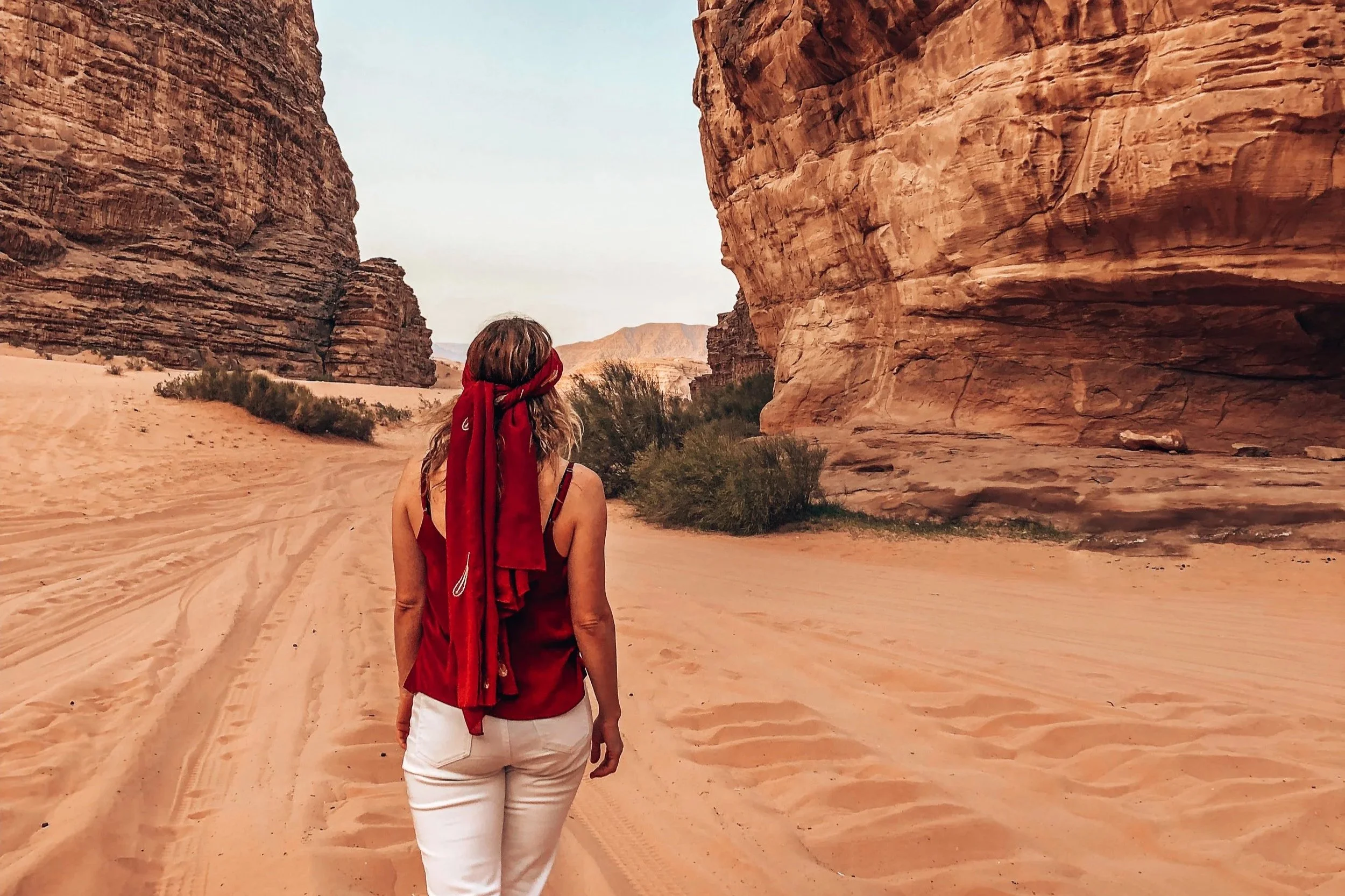
Wandering through Wadi Rum in Jordan.
Right now, many people across the Middle East are facing the devastating reality of conflict. Families have been displaced, lives have been lost, and communities are navigating uncertainty that extends far beyond headlines.
Moments like this remind us that travel… something many of us see as exciting and life-enhancing… exists within a much bigger global context. When war breaks out, the consequences reach far beyond borders. The most important impacts are always on the people living through it.
For travellers watching from afar, the situation can also bring a different kind of uncertainty. Flights are disrupted. Airspace closes. Routes change. Plans that once felt straightforward suddenly become complicated.
And with that comes a question that starts appearing everywhere in travel communities:
Should we still be travelling right now?
It’s not an easy question, and there isn’t a single answer that applies to everyone.
Safety has to come first. At the same time, the world is complex, and conflict in one region doesn’t automatically mean the entire planet becomes inaccessible.
Recently, I found myself navigating this exact dilemma while planning a milestone trip… my 40th birthday adventure. What started as a bucket-list plan quickly turned into a real-time exercise in reassessing risk, staying informed, and making difficult decisions about where, and whether, to travel.
In this article, I want to walk you through how I approach travel planning when global events change the landscape overnight. Not as definitive advice, but as a thoughtful framework for travellers who want to stay curious about the world while also remaining responsible and informed.
Because thoughtful travellers don’t ignore what’s happening in the world, but they also don’t let fear make every decision for them.
When Global Events Suddenly Change Your Travel Plans
I had been planning a big bucket list adventure for my 40th birthday in April.
As someone who works full-time while travelling as often as possible, milestone birthdays feel like the perfect excuse to go all in on a dream destination.
But April is a tricky time for travel. In many parts of the world it’s either:
Too hot
Too cold
Or sitting awkwardly between seasons
So my shortlist quickly narrowed down to three destinations:
Each offered something different… epic landscapes, adventure, and the kind of once-in-a-lifetime travel experience I love sharing here on Tourist to Traveller.
But the unfolding global situation forced me to rethink everything.
Why Oman Was My First Choice
For years, Oman has been sitting near the top of my travel wish list.
It’s one of the most underrated destinations in the Middle East… dramatic desert landscapes, ancient forts, wadis, and incredible road trip potential.
I had already started planning:
Accommodation
Activities
Car hire
Flights
A full road trip itinerary
But there was one lingering hesitation.
Even before the recent escalation, Australia’s travel advisory had increased the risk level for Oman in anticipation of regional instability. When the conflict intensified, it became clear that travelling there right now wasn’t the responsible decision.
Sometimes the hardest part of travel planning is recognising when it’s time to let go of the plan.
My Backup Plan: Namibia
Next on my list was Namibia, another destination I’ve dreamed about for years. Big, open, full of culture, and incredible landscapes.
The plan was shaping up beautifully:
A self-drive adventure across the desert
Epic landscapes like Sossusvlei
Wildlife in Etosha National Park
A spectacular luxury lodge booked for my actual birthday
I had already reserved most of the trip (with free cancellation), including accommodation and car hire.
The only thing left to book? Flights. And that’s when everything changed.
Most routes from Australia to Namibia connect through the Middle East. When airspace closures began and airlines rerouted flights, suddenly the journey became far more complicated.
What had originally been a manageable long-haul trip quickly turned into:
34-44 hours of transit time each way
Multiple stopovers
Tight connections with high risk of missed flights
Significantly more expensive tickets
For travellers who love adventure but still have limited annual leave (and family members who don’t love travel quite as much as I do), that kind of journey just didn’t make sense.
So I made the call. Namibia had to wait.
The Emotional Side of Changing Travel Plans
This is the part people don’t talk about enough.
When you cancel a dream trip, even for good reasons, it can still feel disappointing. I thought I’d feel relief once the decision was made. Instead, I mostly felt sad. Travel dreams are powerful. We build them up in our minds long before we ever step on a plane. Letting go of that vision, even temporarily, takes a little emotional adjustment.
But flexibility is part of being a smart traveller.
The Pivot: My 40th Birthday in Vanuatu
After weighing everything up, I pivoted to my third option: Vanuatu.
Was it my original dream destination? No. But it checked some important boxes:
Short direct flight from Brisbane, Australia
No risky stopovers
Easy travel logistics
A destination my family was excited about
Within a matter of days, we scrambled to book:
Flights
Accommodation
Bucket list activities
Prices had already jumped significantly due to global flight disruptions (and booking so last minute), but we managed to lock in a plan. And the more I looked into the trip… especially visiting Mount Yasur volcano on Tanna Island… the more excited I became.
Adventure finds a way.
(If you're curious about the itinerary I'm planning, and how my adventure unfolds… follow along on socials and keep an eye out for my upcoming Vanuatu guides.)

Exploring ancient temples in Egypt.
How to Decide Whether to Travel During Global Conflict
If you’re currently planning travel and feeling unsure, you’re not alone. Here’s the framework I used to pause, re-assess, and pivot:
1. Start With Official Travel Advice
Always check your government travel advisory.
For Australians, that means reviewing updates from Smartraveller before booking or departing. If a destination moves into a “Do Not Travel” category, reconsider your plans.
2. Assess Flight Routes - Not Just Destinations
Even if your destination is safe, your transit routes might not be.
Look at:
Stopover countries
Airspace closures
Flight cancellation risks
A destination might technically be safe, but getting there could be the real challenge.
3. Book With Maximum Flexibility
Whenever global uncertainty exists, flexibility is your best friend.
Look for:
Free cancellation accommodation and car hire
Flexible flight tickets
Refundable tours
Travel insurance coverage
4. Expect Higher Prices (Temporarily)
Conflict impacts:
Fuel prices
Airline routes
Flight availability
That often leads to short-term spikes in airfare.
Prices usually stabilise once airlines adjust routes and demand settles. Use platforms such as Google Flights and Skyscanner to compare and track prices for your preferred destinations.
5. Consider Alternative Destinations
If your original destination becomes risky, look for:
Locations outside the affected region
Direct flights from your home city
Destinations with stable infrastructure
Sometimes a pivot leads to an unexpectedly incredible adventure.
6. Travel Closer to Home
If international travel feels overwhelming right now, don’t underestimate the power of local adventures.
Australia alone has countless bucket list experiences… from Tasmania’s wild landscapes to regional areas and hidden hinterland escapes.
Travel doesn’t have to mean crossing continents.
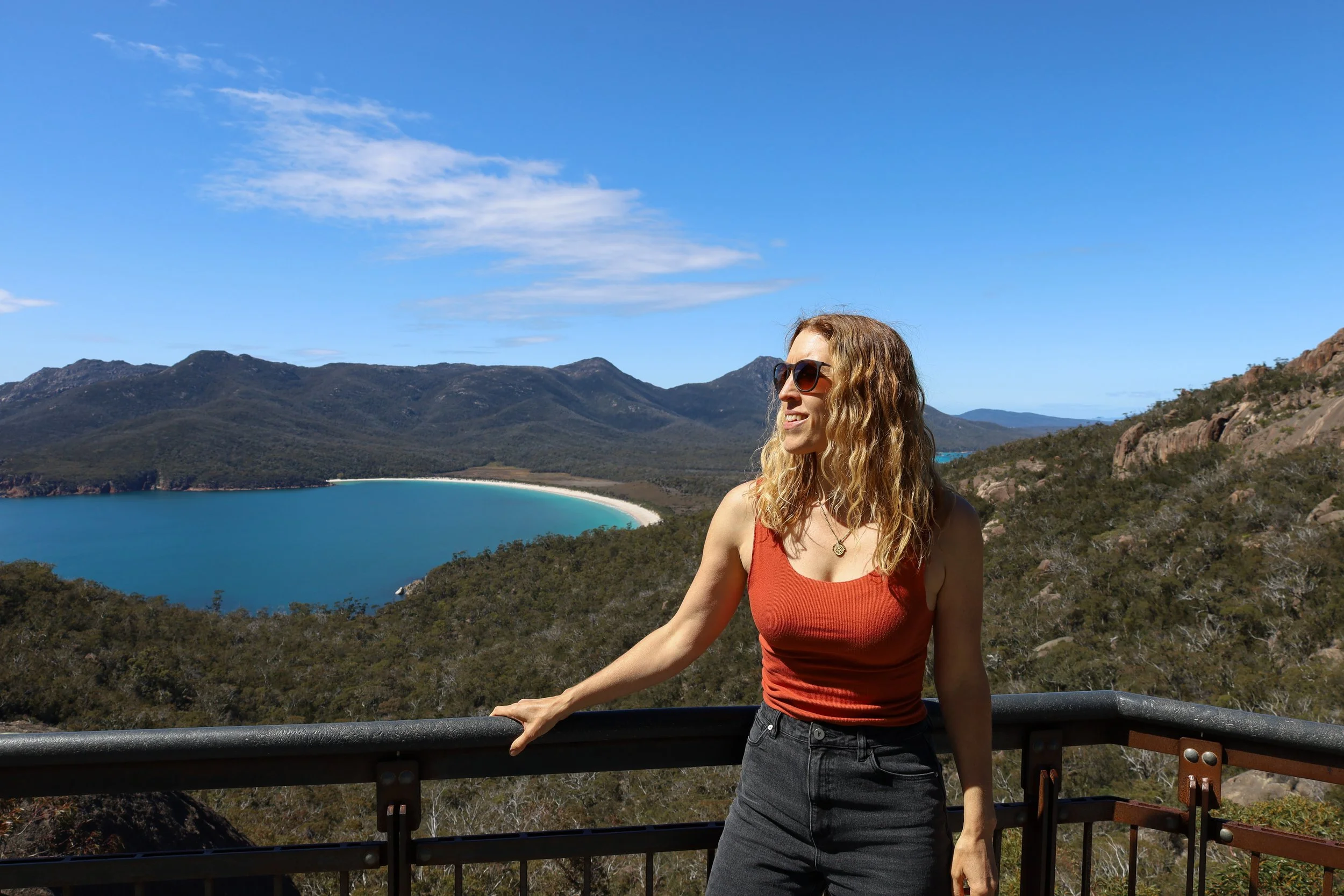
Domestic flights in Australia lead to epic destinations, such as Wineglass Bay in Tasmania.
The Future of Travel in Uncertain Times
No one has a crystal ball.
We don’t know how long conflicts will last, how airspace will shift, or which destinations might be affected next. But travel has always adapted. Airlines reroute. Destinations recover. Travellers adjust.
The key isn’t ignoring what’s happening in the world… it’s staying informed, staying flexible, and making decisions that feel both responsible and empowering.
Acknowledging the Bigger Picture
Before we wrap up, it’s important to recognise something that can easily get lost in conversations about flights, itineraries, and cancelled trips.
While travellers are navigating disrupted plans, people living in conflict zones are facing far greater realities… loss, displacement, and uncertainty that affects every aspect of daily life.
Travel decisions should never overlook that human impact. Staying informed, being respectful in how we talk about these situations, and supporting organisations that provide humanitarian aid where possible are small but meaningful ways travellers can remain conscious global citizens.
The world can feel heavy at times, but curiosity, empathy, and understanding across cultures are also part of what travel encourages. And those values matter more than ever during difficult moments in history.
Frequently Asked Questions About Travelling During Conflict
Is it safe to travel when there is a war in another region?
It depends on the location and how the conflict affects travel infrastructure. Even if your destination is far from the conflict zone, factors such as airspace closures, flight disruptions, and geopolitical tensions can impact travel routes. Always check government travel advisories and airline updates before departing.
Should I cancel my trip if flights go through the Middle East?
If your flights transit through regions experiencing conflict or airspace closures, it’s worth reviewing alternative routes. Many airlines reroute flights during geopolitical events, but cancellations and delays can still occur. Flexible tickets and travel insurance can help reduce risk.
Will flights become more expensive during global conflict?
Often, yes… at least temporarily. Conflict can impact fuel prices, airline routes, and demand, which may cause airfare to increase in the short term. Prices typically stabilise once airlines adjust routes and the travel market settles.
Is it irresponsible to travel during uncertain global events?
Travelling responsibly means staying informed, respecting local realities, and making thoughtful decisions. If your destination is considered safe by travel authorities and your travel plans don’t contribute to instability, travel can still be a positive way to experience the world and support local economies.
What’s the safest way to plan travel right now?
A few smart precautions include:
Booking flexible flights and accommodation (choose free cancellation where possible)
Choosing destinations and stopovers outside affected regions
Monitoring travel advisories
Purchasing comprehensive travel insurance (and reading the fine print clearly)
Allowing extra time for potential disruptions
Being flexible and prepared makes a huge difference when the global situation changes unexpectedly.

A bucket list destination in the Middle East… Petra in Jordan.
The Takeaway for Travellers
If the past few weeks have taught me anything, it’s this:
Travel has always existed alongside global events… political changes, natural disasters, economic shifts, and conflicts. Travel doesn’t have to stop when the world feels uncertain. But it does require thoughtful decisions. It’s learning how to travel thoughtfully, responsibly, and flexibly when the world changes around us.
Sometimes that means letting go of a dream trip for now. Sometimes it means pivoting somewhere unexpected.
And sometimes… just sometimes, the backup plan turns out to be its own kind of adventure.
I’ll be sharing more about my Vanuatu trip planning and experiences soon, so stay tuned.
Are you planning an upcoming trip? Discover Travel Planning Like A Pro In 5 Easy Steps.