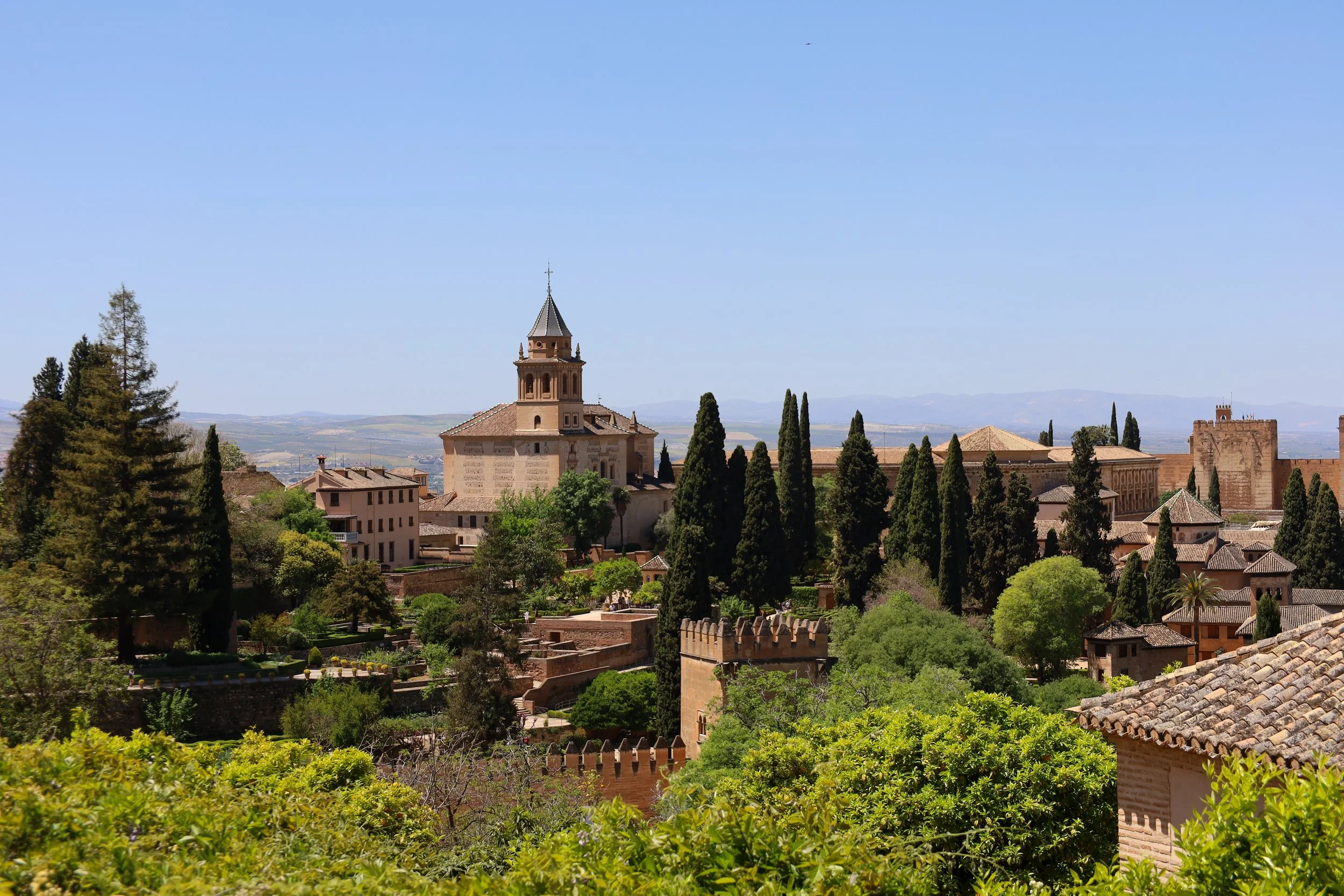
Views over Granada from the Alhambra.
Granada is one of the prettiest places in Spain. Tucked beneath the snow-capped peaks of the Sierra Nevada mountains, this historic Andalusian city is a fascinating mix of Moorish architecture, winding medieval streets, beautiful viewpoints, traditional tapas bars and centuries of history.
The magnificent Alhambra is undoubtedly Granada's headline attraction, and for good reason. But there's so much more to discover beyond its famous palace walls. From getting lost in the historic Albaicín neighbourhood and exploring ancient Arab baths to discovering hidden courtyards, hilltop viewpoints and traditional cave dwellings in Sacromonte, Granada rewards anyone willing to slow down and explore.
I visited Granada in May, and it quickly became one of my favourite stops in Spain. The city was every bit as beautiful as I'd hoped, the Alhambra was even more impressive than I imagined, and the surrounding mountains provided the most incredible backdrop.
We spent almost five hours exploring the Alhambra and still didn't see everything. We wandered through historic neighbourhoods that felt as though they hadn't changed in centuries, discovered Granada's traditional tapas culture and found ourselves caught up in an experience I certainly wasn't expecting: the 2025 Iberian blackout.
It's a city that offers plenty of opportunities to step beyond the usual tourist experience, and I'd happily return for another visit.
If you're planning a trip to southern Spain, here's everything you need to know about visiting Granada, including the best things to do, historic sites worth exploring, where to find the best views, how long to stay and practical tips to help you plan your visit.
Is Granada Worth Visiting?
Absolutely. In fact, I'd argue that Granada deserves a place on every Andalusia itinerary.
Granada has something that makes it particularly special. Its history is visible everywhere, from the intricate Islamic architecture of the Alhambra to the narrow cobbled streets of the Albaicín and the traditional whitewashed houses tucked into the hillsides. It's also a city where you can experience several different sides of Spain in one visit.
You can spend the morning exploring one of Europe's most extraordinary historic palace complexes, wander through neighbourhoods that feel untouched by time in the afternoon, and finish the day enjoying a glass of wine and complimentary tapas at a traditional local bar.
And then there are the views. Granada's elevated position means there are plenty of places to admire the Alhambra from across the city, often with the Sierra Nevada mountains rising dramatically behind it.
In May, we were lucky enough to see snow still covering the mountain peaks. Against the warm colours of the historic buildings and the greenery surrounding the Alhambra, it was an incredible sight.
What makes Granada worth visiting?
The Alhambra and Generalife, one of Spain's most extraordinary historic attractions
The Albaicín, a beautiful historic neighbourhood filled with narrow streets, whitewashed buildings and traditional architecture
Sacromonte, famous for its hillside cave houses, flamenco heritage and spectacular views
Incredible viewpoints overlooking the Alhambra and Sierra Nevada mountains
A fascinating blend of Moorish, Islamic, Christian and Andalusian history
Traditional Granada tapas culture, where many bars serve a complimentary tapa with each drink
A compact historic centre that makes it possible to experience a lot in just a couple of days
Whether you're interested in history, architecture, photography, food, culture or simply discovering beautiful places, Granada has plenty to offer.
How Many Days Do You Need in Granada?
I'd recommend spending two nights in Granada.
This gives you enough time to explore the Alhambra without rushing, discover the historic neighbourhoods, visit some of the city's lesser-known monuments and enjoy the local food scene. You can certainly see many of Granada's major attractions in one full day if you plan carefully, but you'll need to be selective. The Alhambra alone deserves several hours, and the Albaicín and Sacromonte are worth exploring at a slower pace.
Here's how I'd approach it:
One night in Granada
If you're short on time, prioritise:
The Alhambra and Generalife
The Albaicín neighbourhood
Mirador de San Nicolás or another Alhambra viewpoint
A traditional tapas experience in the evening
A walk through the historic city centre
Two nights in Granada
With an additional day, you can explore:
The Alhambra and Generalife in detail
The Albaicín and its historic monuments
Sacromonte and the cave museum
Granada Cathedral and the Royal Chapel
Monasteries, Arab baths and other historic attractions
More of Granada's traditional tapas bars and local neighbourhoods
If you love history and architecture, you could easily spend three days here without running out of things to see.
Best Things to Do in Granada, Spain
Granada is packed with historic attractions, but it's not a city where you need to spend every minute rushing between landmarks. Some of its best experiences come from wandering through the old streets, discovering hidden courtyards and stopping at viewpoints along the way.
Here are the places I'd recommend adding to your Granada itinerary.
1. Explore the Alhambra and Generalife
If there's one attraction you absolutely cannot miss in Granada, it's the Alhambra.
Perched on a hill overlooking the city, this extraordinary palace and fortress complex is one of the most impressive examples of Islamic architecture in Europe. It was originally developed during the Nasrid dynasty, when Granada was the last Muslim kingdom in the Iberian Peninsula.
Today, the Alhambra is a UNESCO World Heritage Site and one of Spain's most visited attractions. And honestly, it's spectacular!
We spent almost five hours exploring the complex, and even then, we didn't see everything. Every courtyard, doorway, decorative archway and garden seemed to reveal another detail worth stopping for. The architecture is incredible, with intricate geometric patterns, carved plasterwork, decorative tiles, and beautifully designed courtyards. Water is also an important feature throughout the complex, with fountains, channels and reflecting pools creating a sense of calm.
It's the kind of place where you could spend hours simply looking at the details.
What to See at the Alhambra
The Alhambra isn't one single palace. It's a large complex made up of several distinct areas.
Nasrid Palaces
The Nasrid Palaces are the architectural highlight for many visitors. These were the royal residences of the Nasrid rulers and contain some of the most extraordinary Islamic decorative architecture in Spain.
Highlights include:
The Mexuar, one of the oldest surviving sections
The Comares Palace and its impressive Hall of the Ambassadors
The Court of the Myrtles, with its beautiful reflecting pool
The Palace of the Lions, famous for its central fountain and surrounding columns
The Hall of the Abencerrajes, with its remarkable vaulted ceiling
Allow time to appreciate the details. The craftsmanship is extraordinary, and you'll find something new to look at around almost every corner.
Alcazaba
The Alcazaba is the military fortress and one of the oldest parts of the Alhambra complex. It's worth exploring for its historic towers, defensive walls and panoramic views across Granada. If you enjoy photography, this is a particularly good area for capturing the city from above.
Palace of Charles V
The Palace of Charles V is a striking Renaissance building within the Alhambra complex. Its circular inner courtyard is particularly impressive and feels quite different from the surrounding Nasrid architecture.
Generalife Gardens and Palace
The Generalife was the summer palace and country estate of the Nasrid rulers. Its gardens are beautiful, with carefully designed pathways, fountains, water channels, terraces and greenery. It's a wonderful contrast to the more intricate interiors of the Nasrid Palaces and offers some lovely views back towards the Alhambra.
We visited in May, when the gardens were particularly beautiful.
How to Book Alhambra Tickets
This is one attraction you really need to plan ahead for. We tried booking our Alhambra tickets approximately one month before our visit, and it looked as though everything was completely sold out.
We were almost ready to give up when we decided to try something different. We changed the language on the official ticket website from English to Spanish, and suddenly there appeared to be two tickets available. We snapped them up! We didn't have the full-access tickets we originally wanted, but we were grateful to get inside and experience the areas included in our booking.
My biggest tip: book your Alhambra tickets as early as possible.
Tickets can sell out well in advance, particularly during spring, summer, weekends and public holidays. Book directly through the official Alhambra website rather than relying on third-party resellers.
A few things to know:
Tickets are personalised, so make sure the details match your identification document
Bring your passport or accepted identification
Check exactly which areas are included in your ticket
The Nasrid Palaces have a specific timed entry slot
Arrive early and allow plenty of time to get between the different sections
Don't assume that a general garden or monument ticket includes the Nasrid Palaces
If standard tickets are unavailable, check whether there are other official ticket options or the Granada Card, which may include Alhambra admission depending on availability and the selected pass.
Also, don't assume you can simply purchase a ticket at the entrance. Same-day availability is not guaranteed.
Official booking website: https://tickets.alhambra-patronato.es/
I'd recommend allowing at least four to five hours for your visit. If you're interested in architecture and history, you could easily spend longer.
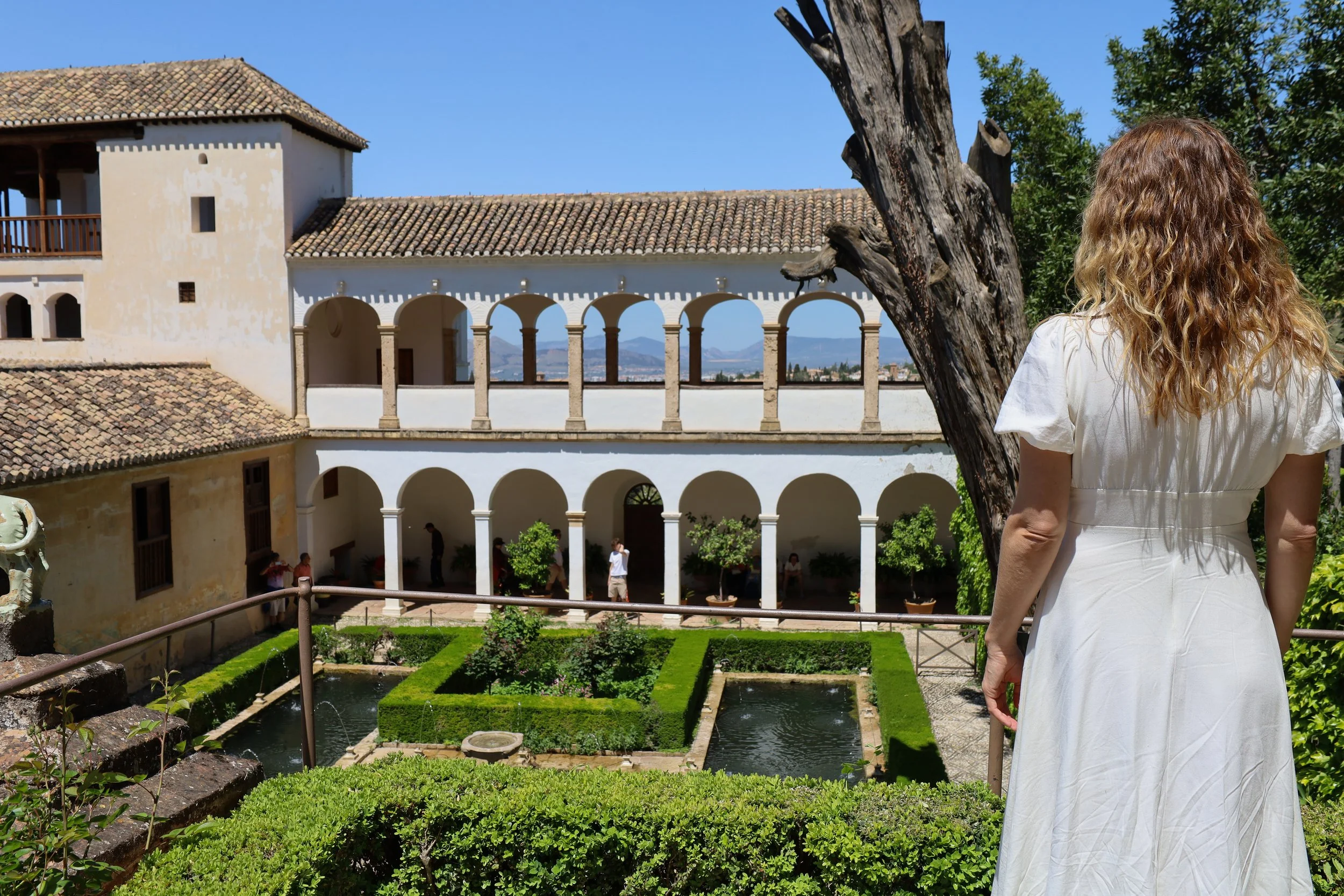
We spent almost 5 hours wandering around Alhambra, and still didn’t see it all.
2. Wander Through the Albaicín
The Albaicín (also written Albayzín) is Granada's historic Moorish quarter and one of the most beautiful neighbourhoods in the city.
It's a UNESCO World Heritage-listed area filled with narrow cobbled streets, whitewashed houses, traditional courtyards, small squares and historic buildings.
Some streets are so narrow that you can barely imagine how the neighbourhood has evolved over the centuries. This is one of those places where I'd encourage you to put your phone away occasionally, forget about following a strict itinerary and simply wander. You'll find beautiful architectural details, unexpected views of the Alhambra, little shops and charming corners that make you want to stop every few minutes.
The Albaicín is also one of the best places in Granada for photography, particularly when the light starts changing towards sunset.
A practical tip: The Albaicín is built on a hillside, and some of its streets are seriously steep.
We stayed in this neighbourhood because we wanted accommodation with a balcony overlooking Granada, and the views were absolutely worth it. However, we quickly learnt that walking everywhere wasn't necessarily the best option. We used the local buses to save our legs, particularly when travelling up and down the hills. If you're staying in the Albaicín, check how far your accommodation is from the nearest bus stop and whether there are stairs or steep streets involved.
It's a beautiful neighbourhood, but your luggage might not agree!
Casa de Zafra and the Albaicín Interpretation Centre
Casa de Zafra is one of the best places to visit if you want to understand the history of the Albaicín.
This beautifully preserved house provides an insight into what domestic life looked like during Granada's Nasrid period. Inside, you'll find original architectural features, decorative details and historic wall paintings. The building also houses the Albaicín Interpretation Centre, which provides information about the neighbourhood's history and cultural significance.
It's a worthwhile stop before exploring the surrounding streets, particularly if you enjoy understanding the stories behind the places you're visiting.
Palacio de Dar al-Horra
Tucked away in the upper Albaicín, Palacio de Dar al-Horra is another fascinating historic building worth adding to your itinerary.
This Nasrid-era palace is believed to have been the residence of Aixa, the mother of Boabdil, the last Nasrid ruler of Granada. Unlike the grandeur of the Alhambra, this palace offers a more intimate look at traditional Nasrid residential architecture.
Expect peaceful courtyards, decorative arches, carved details and beautiful views across the surrounding neighbourhood. It's a great reminder that Granada's Moorish history extends well beyond the Alhambra.
El Bañuelo – Baños del Nogal
El Bañuelo is one of Granada's most interesting historic attractions. These ancient Arab baths, dating back to the 11th century, are among the best-preserved examples of Islamic bath architecture in Spain.
The baths were an important part of daily life in Moorish Granada, providing spaces for bathing, socialising and relaxation. Inside, you'll find traditional rooms with horseshoe arches, stone columns and distinctive star-shaped openings in the ceilings that allowed light to filter into the space. It's fascinating to see how these spaces were designed centuries ago.
The baths are relatively compact, so you won't need hours to explore them, but they're definitely worth visiting if you're interested in Granada's Islamic history.
Casa del Horno de Oro
Another historic Moorish house worth visiting in the Albaicín is Casa del Horno de Oro. This traditional house features a central courtyard, decorative architecture and a peaceful atmosphere that provides another glimpse into life in Nasrid Granada. It's often overlooked in favour of the Alhambra, but if you enjoy exploring historic buildings, it's worth adding to your list.
Mirador de San Nicolás
No visit to Granada is complete without visiting at least one of its famous viewpoints.
Mirador de San Nicolás is probably the most recognisable. Located in the Albaicín, this viewpoint offers spectacular views of the Alhambra with the Sierra Nevada mountains rising behind it. It's particularly popular around sunset, when the changing light illuminates the palace walls and surrounding landscape. Expect crowds, musicians and plenty of people trying to capture the perfect photograph.
It's popular for a reason, though. The view really is something special. If you want to avoid the busiest period, visit earlier in the day or explore some of the other viewpoints scattered throughout the neighbourhood.
Mirador Ojo de Granada
Mirador Ojo de Granada is another viewpoint worth seeking out. It offers a different perspective across the city, with rooftops, historic buildings and Granada's surrounding landscape creating a beautiful backdrop. I love finding viewpoints that aren't necessarily the first ones everyone recommends, particularly when travelling somewhere as photogenic as Granada. Add this one to your walking route if you're exploring the upper parts of the Albaicín.
Other Albaicín Viewpoints Worth Finding
If you have time, look out for:
Mirador de Carvajales
Mirador de Los Tristes
Mirador de la Lona
Mirador de San Cristóbal
Each offers a slightly different perspective of the city and surrounding landscape.

Granada was a highlight of our journey through the South of Spain.
3. Discover Sacromonte and Its Famous Cave Houses
Sacromonte is another of Granada's most distinctive neighbourhoods.
Located on the hillside beyond the Albaicín, this historic area is famous for its traditional cave houses, flamenco heritage and incredible views of the Alhambra. The neighbourhood has long been associated with Granada's Roma community and the development of Zambra flamenca, a traditional form of flamenco performance.
It's quite different from the historic centre and offers another perspective on the city's cultural identity.
Museo Cuevas del Sacromonte
If you're interested in the history of the neighbourhood, the Museo Cuevas del Sacromonte is well worth visiting. This open-air museum features a collection of traditional cave dwellings that demonstrate how people lived in Sacromonte.
You can explore reconstructed cave homes and learn about traditional domestic life, local industries, architecture and the cultural heritage of the area. The museum also offers some fantastic views across the valley towards the Alhambra. It's a great addition to your Granada itinerary, particularly if you want to understand more than just the city's most famous monuments.
Abadía del Sacromonte
Further up the hill, you'll find the Abadía del Sacromonte. This historic abbey is one of Granada's important religious and cultural sites.
It was established in the early 17th century and is associated with the discovery of the Sacromonte lead books and relics linked to early Christian traditions in the region. The complex includes a church, cloisters, historic religious spaces and underground areas.
Its location also makes it a lovely place to appreciate the surrounding landscape. It's a little further from the city centre, so plan your transport and allow enough time if you want to include it.
Experience Traditional Flamenco
Sacromonte is one of the best places in Granada to experience traditional flamenco.
The neighbourhood's cave venues have a long association with Zambra, a distinctive style of flamenco that developed within the local Roma community. If you've never experienced flamenco in Spain, Granada is a wonderful place to do it.
Rather than treating it as simply another performance, take the time to appreciate the rhythm, footwork, music and emotion behind the dance. It's a cultural experience that adds another dimension to your visit.
4. Visit Granada Cathedral
Granada Cathedral is one of the city's most impressive Christian landmarks.
Construction began in the 16th century, following the Christian conquest of Granada in 1492. The cathedral is an impressive example of Spanish Renaissance architecture, with an elaborate façade and an equally striking interior. Step inside and you'll find soaring ceilings, impressive columns, chapels and detailed decorative features. Even if you're not particularly interested in religious buildings, it's worth visiting to appreciate the architecture and the historical transition that shaped Granada.
The cathedral is located in the historic centre, making it easy to combine with a visit to the Royal Chapel, Corral del Carbón and nearby shopping streets.
Capilla Real - Royal Chapel of Granada
While you're visiting the cathedral, make time for the nearby Royal Chapel (if it’s open). The Capilla Real is the burial place of the Catholic Monarchs, Isabella I of Castile and Ferdinand II of Aragon. Their decision to establish their final resting place in Granada reflects the city's significance following the end of Muslim rule in 1492.
Inside, you'll find elaborate tombs, religious artwork and an impressive collection of historic objects. It's one of the most important historical sites in the city and provides a fascinating insight into Spain's history.
5. Explore the Monasteries of Granada
Granada has several beautiful monasteries that are worth visiting if you enjoy architecture, history and discovering places beyond the main tourist attractions. Some are particularly impressive for their interiors, while others provide a fascinating look at the city's religious and architectural history.
Monasterio de San Jerónimo
The Monasterio de San Jerónimo is one of Granada's most impressive Renaissance religious buildings. The monastery dates back to the early 16th century and features an extraordinary church, cloisters and intricate decorative details. Inside the church, the elaborate altarpiece is a standout feature.
The monastery is also associated with Gonzalo Fernández de Córdoba, known as the Great Captain, whose tomb is located here. It's a peaceful place to explore and a wonderful example of the architectural transformation that took place in Granada following the Christian conquest.
Monasterio de Nuestra Señora de la Asunción – La Cartuja
If you enjoy elaborate interiors, don't miss the Monasterio de la Cartuja. Located a little outside the main historic centre, this monastery is one of Granada's most remarkable architectural attractions.
The monastery was founded in the 16th century, although construction and decorative work continued over several centuries. Its exterior is relatively understated compared with what you'll find inside. The church, sacristy and surrounding spaces feature an extraordinary mix of Baroque decoration, detailed plasterwork, paintings, marble and ornate architectural features. The sacristy is particularly impressive and is often considered one of the finest examples of Spanish Baroque interior decoration.
It's a little further away than some of Granada's other attractions, but well worth the detour if you enjoy historic architecture.
6. Discover Granada's Lesser-Known Historic Buildings
One of the things I loved about Granada was how many historic buildings were tucked away throughout the city. You could be walking down an ordinary-looking street and suddenly come across a centuries-old palace, courtyard or architectural feature. If you have time beyond the major attractions, these are some additional places worth exploring.
Cuarto Real de Santo Domingo
Cuarto Real de Santo Domingo is a fascinating example of Nasrid residential architecture. This historic building was originally part of a larger palace and is particularly notable for its richly decorated qubba, a square reception hall with an impressive domed ceiling. It offers another opportunity to appreciate the craftsmanship and architectural style of the Nasrid period without the scale of the Alhambra. The surrounding gardens also provide a peaceful place to stop while exploring the Realejo neighbourhood.
Corral del Carbón
Corral del Carbón is one of Granada's most interesting historic buildings and an easy attraction to visit while exploring the city centre. Dating back to the 14th century, this former Nasrid caravanserai was used to accommodate merchants and store goods. The building features an impressive horseshoe-arched entrance leading into a central courtyard. It's one of the few surviving examples of this type of historic building in Spain. It's also a relatively quick visit, making it easy to include between other attractions.
Museo Casa de los Tiros
Located in the Realejo neighbourhood, Museo Casa de los Tiros is a historic 16th-century building that houses Granada's history museum. Its distinctive façade features decorative sculptures and architectural details, while the entrance bears the inscription "El corazón manda", meaning "The heart rules". Inside, the museum explores Granada's history, traditions and cultural heritage. It's a good option if you want to learn more about the city beyond its Moorish history.
Cuesta de los Chinos
Also known as the Cuesta del Rey Chico, this historic pathway connects the Alhambra area with the lower parts of the city near the Darro River. It's a beautiful route with stone pathways, greenery and views of the Alhambra walls. If you're up for a walk, it's a lovely alternative to some of the busier routes. Just remember that it's a steep walk, so wear comfortable shoes.
Carrera del Darro and Paseo de los Tristes
The Carrera del Darro is one of the most beautiful streets in Granada. Running alongside the Darro River, this historic street is lined with traditional buildings, bridges and views towards the Alhambra. It's particularly lovely for a leisurely walk, with plenty of opportunities to stop for photographs. Continue towards Paseo de los Tristes, a picturesque square beneath the Alhambra that makes a great place to pause for a drink or simply enjoy the atmosphere. This is one of those areas where I'd recommend taking your time rather than rushing to the next attraction.
7. Experience Granada's Traditional Tapas Culture
One of the things I was particularly excited about experiencing in Granada was its traditional tapas culture.
I'd heard about the city's reputation for serving complimentary tapas with drinks, and I was keen to see whether it lived up to expectations… and it did!
In many traditional Granada bars, ordering a drink means receiving a small tapa at no additional cost. Order a glass of wine, beer or another drink, and a small plate of food will often arrive alongside it. The best part? Order another drink and you may receive another tapa. It's a fantastic way to experience local food culture, try different dishes and enjoy a more relaxed evening.
Some bars choose the tapa for you, while others allow you to select from a small menu. It's worth remembering that this is a local custom rather than a guarantee at every venue.
Where to Go for Tapas in Granada
There are several neighbourhoods where you can enjoy a traditional tapas experience.
Calle Navas and the city centre: This is one of the best-known tapas areas in Granada, with plenty of bars and restaurants close together.
Plaza Nueva and Calle Elvira: A great area for combining sightseeing with a relaxed tapas stop.
Realejo: This neighbourhood has a more local feel, with traditional bars tucked along its streets.
Albaicín: If you're exploring the historic quarter, look for traditional tapas bars around Plaza Larga and the surrounding streets.
A Few Tips for Eating Tapas in Granada
Order a drink and see what tapa arrives
Ask whether the tapa is included before ordering if you're unsure
Some bars choose the tapa for you, while others allow you to select
Don't expect every venue to offer complimentary tapas
If you have dietary requirements, explain them when ordering rather than assuming the complimentary tapa will be suitable
The tapas culture is one of those little experiences that makes Granada feel special. It's not just about the food; it's about slowing down, enjoying the atmosphere and making an evening of it.
8. Find the Best Views of Granada
Granada is an incredibly photogenic city, and its elevated position means there are plenty of places to admire the surrounding landscape. If you're interested in travel photography, I'd recommend adding a few viewpoints to your itinerary. Some offer classic views of the Alhambra, while others provide a wider perspective across the city and towards the Sierra Nevada mountains.
My favourite views were from our accommodation balcony in the Albaicín. We had an uninterrupted view across Granada, with the Alhambra in the foreground and snow-capped mountains in the distance. It was the perfect place to sit back, relax and appreciate just how beautiful this city is.
Other viewpoints worth visiting include:
Mirador de San Nicolás - the classic Alhambra and Sierra Nevada view.
Mirador Ojo de Granada - a different perspective across the city.
Mirador de Carvajales - a lovely viewpoint with views of the Alhambra.
Mirador de San Cristóbal - panoramic views across Granada.
Mirador de Los Tristes - a beautiful perspective towards the Alhambra from below.
Photography tip: Visit viewpoints at different times of the day. Morning light can be lovely for capturing the city, while late afternoon and sunset create beautiful colours across the Alhambra.
If you're visiting in spring, look towards the Sierra Nevada mountains. Depending on the season and weather, you may still see snow on the peaks, creating an incredible contrast with the warmer colours of Granada.
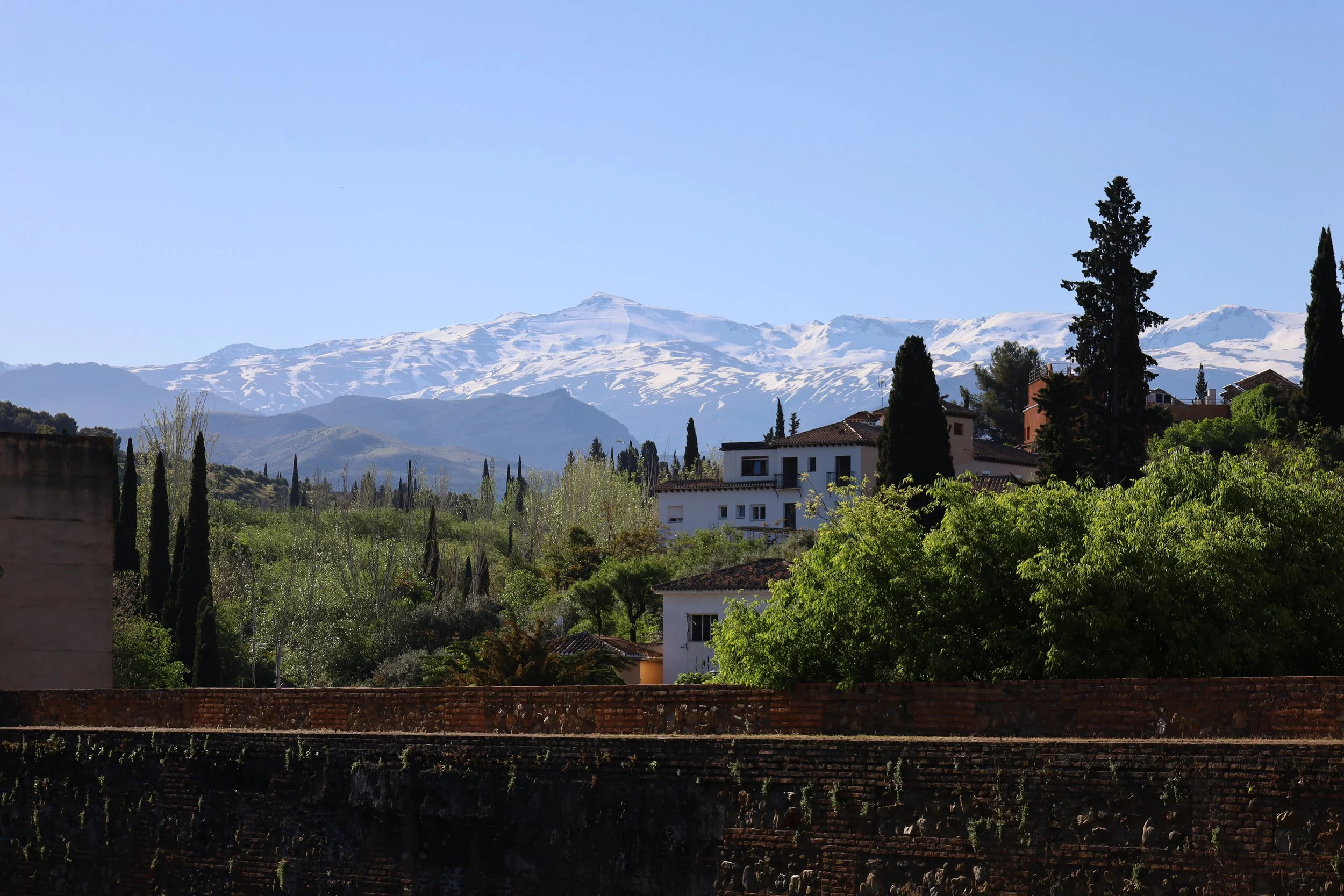
Granada has to be one of the prettiest towns in Spain.
9. Enjoy Granada's Streets, Squares and Local Atmosphere
Not every experience in Granada needs to involve a ticket or a historic monument. Some of my favourite travel moments happen when I'm simply wandering around, watching everyday life unfold and discovering places I hadn't planned to visit. Granada is perfect for this.
Spend some time exploring:
Plaza Nueva, one of the city's main historic squares
Plaza Bib-Rambla, a lively square surrounded by cafés and restaurants
Plaza de las Pasiegas, directly in front of Granada Cathedral
Plaza Larga, a central meeting point in the Albaicín
The narrow streets around Calle Elvira
The traditional streets and squares of Realejo
You'll find a mix of historic buildings, local shops, street performers, cafés and restaurants. It's also a great way to get a feel for the different neighbourhoods and discover the parts of Granada that don't necessarily make it onto every itinerary.
An Unexpected Granada Experience: The 2025 Spain and Portugal Blackout
Sometimes travel gives you experiences you could never plan for, and our time in Granada provided one I'll never forget.
We happened to be in Granada on 28 April 2025, the day a massive power outage brought much of Spain and Portugal into darkness.
We'd arrived early that morning and had already managed to visit most of the major attractions we wanted to see by early afternoon. Then things started to change… shops began closing, restaurants and bars shut their doors, supermarkets, tourist attractions and just about everything else started winding down.
If I’m being honest… it took us way longer than it should have before we noticed something much bigger was happening (we were too busy enjoying the sites and the tapas).
We managed to find one boutique wine and cheese store still open, and grabbed a bottle of wine… with cash of course. The locals working there filled us in on what was happening, and we caught a bus back to our accommodation.
And then we discovered our next problem… We were staying in an Airbnb in the Albaicín, and we'd booked it specifically for the large balcony and incredible views across Granada. The accommodation used a code to access the key, but with the mobile networks and internet affected by the blackout, we couldn't access Airbnb or contact our host to get the code.
Eek!
We waited. And waited. Other guests started arriving, also unable to access their rooms because they were experiencing the same problem.
Our backup plan was to sleep in the car, eat our leftover cereal for dinner, and drink our wine of course. Not exactly the evening we'd planned! Fortunately, we had access to a shared kitchen and bathroom downstairs, so we could at least get a bottle opener and some wine glasses. We also had access to our big beautiful balcony!
And that's what we did… we took our bottle of wine out onto the balcony, sat back and watched the sun setting over Granada.
There we were, with the Alhambra in front of us, the snow-capped mountains in the distance and an entire city without power. It was unexpectedly beautiful.
Eventually, our Airbnb host arrived and let us into our accommodation. We managed to have a freezing cold shower before heading to bed. Then, at around 1:30 am, we were woken by the power coming back on.
The blackout was part of the major Iberian power outage on 28 April 2025, which affected Spain and Portugal and disrupted transport, businesses and communications across the peninsula. It wasn't exactly how we'd imagined spending an evening in Granada, but it's one of those travel experiences I'll remember forever.
And it reminded me of something I genuinely believe: not every travel experience needs to go according to plan to be a good one. Sometimes the unexpected moments become the best stories. We could have spent the evening getting frustrated about our accommodation, the lack of power or the fact that our plans had been interrupted. Instead, we embraced the situation, opened our wine and enjoyed the view.
And honestly? I wouldn't change it.

The blackout didn’t stop our plan of drinking wine with a view.
Getting Around Granada
Granada's historic centre is relatively compact, and many of the main attractions can be explored on foot.
However, the city's hills are something worth considering when planning your itinerary. The Albaicín and Sacromonte are particularly steep, with narrow cobbled streets, staircases and uneven pathways.
We quickly realised that walking everywhere wasn't going to be the most enjoyable option, especially when trying to get back up to our accommodation.
Walking
Walking is one of the best ways to explore Granada. The historic centre, cathedral, Royal Chapel and many of the central attractions are relatively close together. The Albaicín is also wonderful to explore on foot, provided you're comfortable with hills.
Wear comfortable shoes with good grip, particularly if you're visiting the older neighbourhoods.
Local Buses
Granada has a local bus network that makes getting around much easier.
The smaller minibuses are particularly useful for navigating the narrow streets and steep hills of the Albaicín and Sacromonte. We used the bus to save our legs when travelling up and down the hills, and I'd recommend considering this if you're staying in one of the elevated neighbourhoods.
Look into the C31 and C32 services for the Albaicín and Alhambra areas, and check the current routes and timetables before travelling.
Taxis
Taxis are another convenient option, particularly if you're travelling with luggage, have limited mobility or are heading somewhere that isn't easily accessible by bus. They can also be useful when travelling to and from accommodation located on the steeper streets.
Driving and Parking
You don't need a car to explore Granada itself. In fact, driving through some of the historic neighbourhoods can be challenging because of narrow streets, restricted access and limited parking.
If you're travelling around Andalusia by car, I'd recommend parking outside the historic centre or using designated parking facilities rather than trying to drive directly to your accommodation in the Albaicín.
Where to Stay in Granada
Choosing the right neighbourhood can make a big difference to your experience in Granada. There are several good areas to stay, depending on whether you want historic charm, convenience, nightlife or easy access to the main attractions.
Albaicín
If you want beautiful historic surroundings and incredible views of the Alhambra, the Albaicín is a wonderful place to stay. This is where we stayed, and we chose our accommodation specifically because of its large balcony overlooking the city… and it didn't disappoint. Waking up and looking out across Granada, with the Alhambra and mountains in the background, was something special.
However, be aware that the Albaicín is hilly. Check the location of your accommodation, the distance to the nearest bus stop and whether you'll need to carry luggage up steep streets or stairs.
Historic Centre
The historic centre is a great option if you want to be close to Granada Cathedral, restaurants, shopping streets and many of the city's main attractions. It's also convenient if you only have one night in Granada and want to maximise your sightseeing time.
Realejo
Realejo is a lovely neighbourhood with a slightly quieter atmosphere than the busiest parts of the historic centre. It's within walking distance of many attractions and has plenty of traditional bars, restaurants and charming streets. It's a good option if you want to experience a more local side of Granada while remaining close to the main sights.
Around the Alhambra
Staying closer to the Alhambra can be convenient if you want to be near the monument, particularly if you have an early entry time. However, you'll want to consider transport and access to restaurants and other parts of the city.
My recommendation: If views and atmosphere are high on your priority list, consider the Albaicín. If convenience is more important, the historic centre or Realejo may be a better fit.
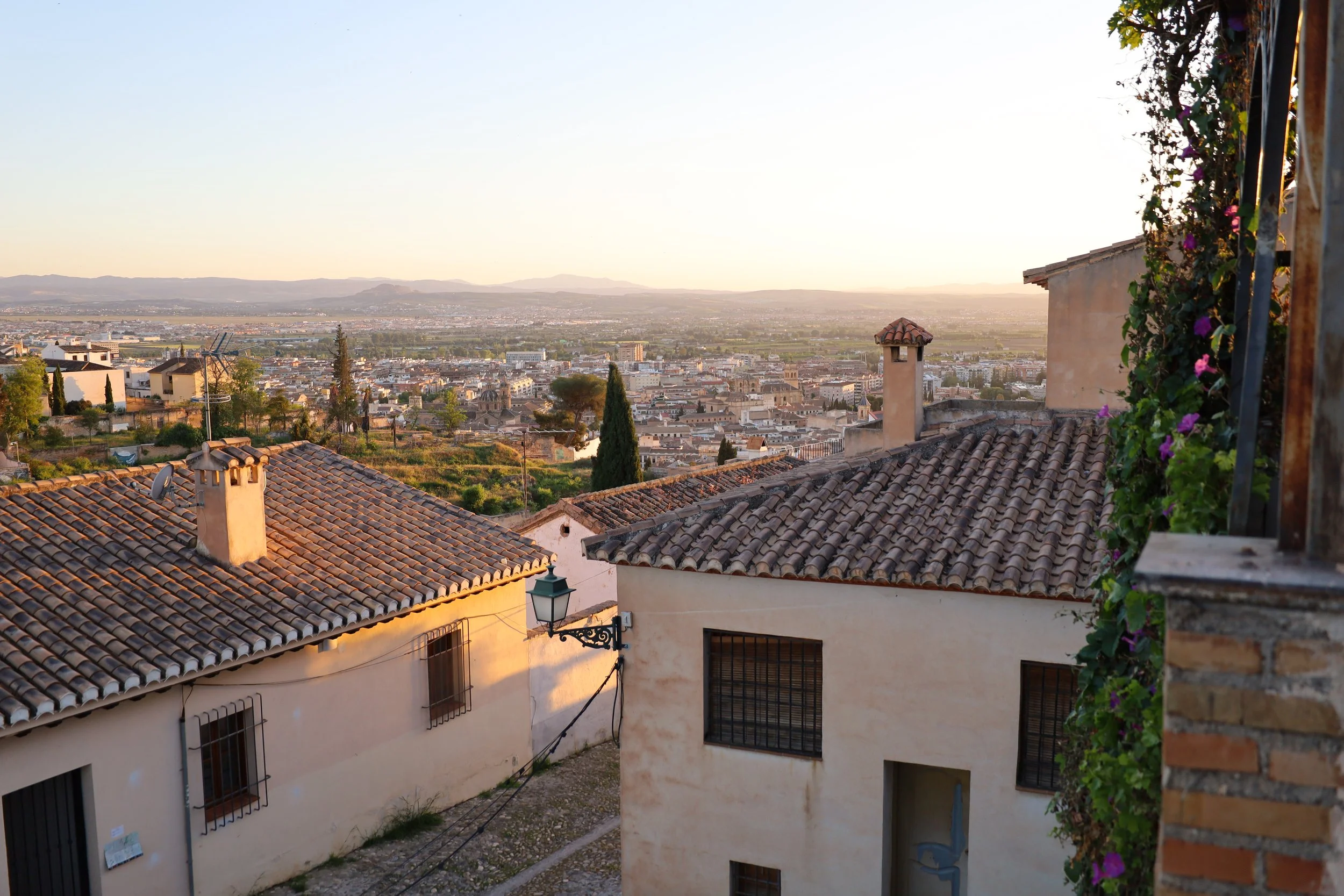
Golden hour views from our Airbnb balcony during the 2025 blackout.
Best Time to Visit Granada
Granada is a year-round destination, but spring and autumn are particularly appealing.
Spring (March to May)
Spring is a wonderful time to visit Granada.
Temperatures are generally comfortable for exploring, the gardens are beautiful and the surrounding Sierra Nevada mountains may still have snow. We visited in May and loved it. The combination of pleasant weather, greenery and snow-capped mountain views made the city particularly photogenic. Spring can be busy, though, especially around Easter and other Spanish public holidays, so book the Alhambra well ahead.
Summer (June to August)
Summer can be very hot in Granada, particularly during July and August.
The city is inland, so temperatures can be significantly higher than in coastal parts of Andalusia. If you're visiting during summer, plan your sightseeing around the heat. Start early, take breaks during the hottest part of the day and enjoy the cooler evenings.
Autumn (September to November)
Autumn is another excellent time to visit.
Temperatures become more comfortable, and the city can feel a little less hectic than during peak summer. September and October are particularly good months for exploring the historic neighbourhoods and enjoying outdoor dining.
Winter (December to February)
Winter can be cold in Granada, particularly in the evenings.
The Sierra Nevada mountains are often covered in snow, and the nearby ski resort makes the region an interesting winter destination. If you're visiting in winter, pack layers and be prepared for chilly mornings and evenings.
Practical Tips for Visiting Granada
A little planning will make your visit to Granada much easier. Here are the things I'd recommend knowing before you go.
1. Book the Alhambra early: Don't leave this until the last minute. We nearly missed out even when trying to book one month in advance.
2. Check exactly what your Alhambra ticket includes: Not all tickets provide access to the same areas. Pay particular attention to whether the Nasrid Palaces are included.
3. Allow at least four to five hours for the Alhambra: It's a large complex, and there's a lot to explore. Don't squeeze it into a rushed morning.
4. Be prepared for hills in the Albaicín: The neighbourhood is beautiful, but it's steep. Use local buses when you need to save your legs.
5. Wear comfortable walking shoes: Expect cobblestones, uneven pathways, stairs and steep streets.
6. Visit viewpoints at different times of the day: Mirador de San Nicolás is particularly popular at sunset, but Granada has plenty of other viewpoints worth discovering.
7. Don't skip the tapas experience: Many traditional bars offer a complimentary tapa with each drink. It's one of the city's most enjoyable local traditions.
8. Check opening hours before visiting smaller monuments: Some attractions have seasonal schedules, limited visiting times or particular days when admission is free.
9. Consider the Granada Card: Depending on your itinerary, the Granada Card may offer good value by combining admission to the Alhambra and other city attractions with public transport benefits. Check which ticket type is available and what is included before purchasing.
10. Don't underestimate the time needed to get between neighbourhoods: Distances can look short on a map, but the hills and narrow streets can make walking slower than expected.
11. Carry some cash and keep your phone charged: While cards are widely accepted, having a backup payment option is sensible. Our blackout experience was a pretty good reminder that technology doesn't always work when you need it!
12. Leave time to simply enjoy the city: Some of Granada's best moments happen when you're not rushing between attractions. Find a viewpoint, sit down for a drink or wander through the historic streets without a plan.
Suggested Two-Day Granada Itinerary
If you have two nights in Granada, here's how I'd organise your time to make the most of the city without spending the entire visit rushing around.
Day 1: The Alhambra and Historic Centre
Morning
Explore the Alhambra.
Visit the Nasrid Palaces (if included in your ticket).
Explore the Alcazaba.
Visit the Palace of Charles V.
Wander through the Generalife gardens.
Allow approximately four to five hours, or longer if you're particularly interested in the architecture.
Afternoon
Head into the historic centre.
Visit Granada Cathedral.
Explore the Royal Chapel.
Stop at Corral del Carbón.
Wander through the surrounding historic streets.
Evening
Enjoy traditional tapas in the city centre.
Explore Plaza Nueva and Calle Elvira.
Enjoy the atmosphere of Granada after dark.
Day 2: Albaicín, Sacromonte and Historic Granada
Morning
Explore the Albaicín.
Visit Casa de Zafra.
Explore Palacio de Dar al-Horra.
Visit El Bañuelo.
Wander along Carrera del Darro.
Stop at Mirador de San Nicolás.
Afternoon
Head towards Sacromonte.
Visit Museo Cuevas del Sacromonte.
Explore Abadía del Sacromonte if time allows.
Enjoy the views across the city.
Late afternoon and evening
Visit another Albaicín viewpoint.
Enjoy a relaxed dinner or tapas experience.
Consider a traditional flamenco performance in Sacromonte.
If you're particularly interested in historic architecture, swap some of the neighbourhood exploring for Monasterio de San Jerónimo, La Cartuja or Cuarto Real de Santo Domingo.
You won't be able to visit every attraction in two days, so choose the ones that interest you most.
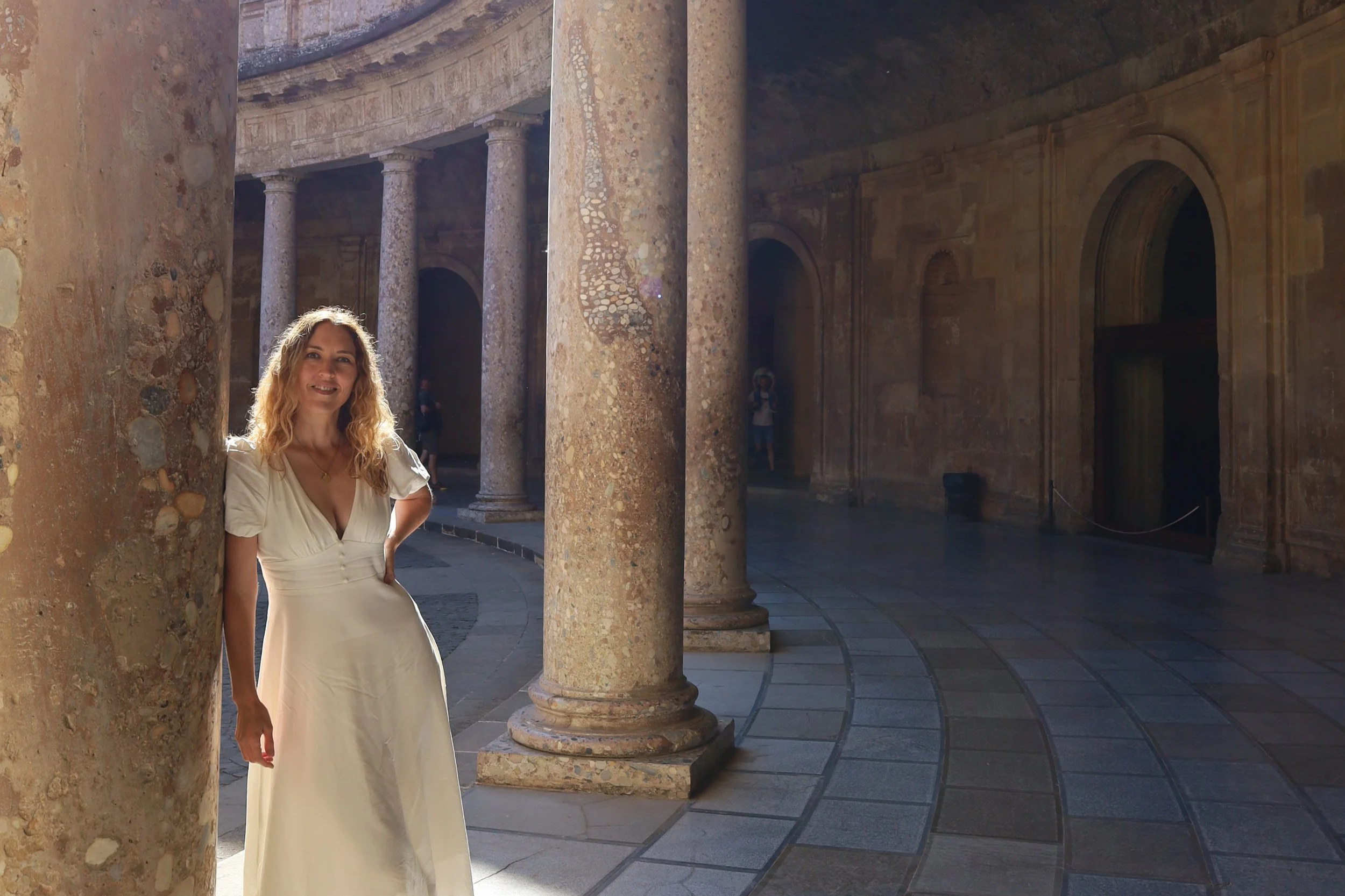
The Alhambra is certainly one of the highlights of Granada.
Is Granada Safe for Tourists?
Granada is generally considered a welcoming destination for visitors, and we felt comfortable exploring the city during our stay.
As with any popular tourist destination, it's worth taking normal precautions. Keep an eye on your belongings in busy areas, particularly around popular viewpoints, markets and public transport. Be mindful of your surroundings when walking through quieter streets at night, and take care on the steep cobbled streets of the Albaicín. If you're driving, don't leave valuables visible inside your vehicle.
For most visitors, the bigger practical challenges are navigating the hills, planning around attraction opening hours and securing Alhambra tickets rather than feeling unsafe.
Frequently Asked Questions About Visiting Granada
Is one day enough to visit Granada?
You can experience many of Granada's highlights in one day, particularly if you book an early Alhambra entry and plan your sightseeing carefully. However, I'd recommend staying at least one night, ideally two, so you have time to explore the Albaicín, Sacromonte and historic centre without rushing.
Is the Alhambra worth visiting?
Absolutely. The Alhambra is one of Spain's most extraordinary historic attractions and a highlight of visiting Andalusia. Its architecture, courtyards, gardens and history make it well worth prioritising in your itinerary.
Do you need to book the Alhambra in advance?
Yes. Tickets can sell out well ahead of time, particularly during popular travel periods. Book through the official Alhambra ticket website as early as possible and check exactly which areas your ticket includes.
Can you visit Granada without a car?
Yes. Granada is an excellent city to explore without a car. Many attractions are within walking distance of each other, and local buses and taxis make it easier to reach the more elevated neighbourhoods.
Is the Albaicín worth visiting?
Definitely. The Albaicín is one of Granada's most beautiful neighbourhoods and offers some of the city's best views of the Alhambra. Allow time to wander its narrow streets, visit its historic monuments and enjoy the atmosphere.
Does Granada really offer free tapas?
In many traditional bars, yes. It's common to receive a complimentary tapa when you order a drink. The exact food and portion vary between venues, and not every restaurant participates in the tradition.
What is the best area to stay in Granada?
The Albaicín is wonderful for historic charm and views, while the historic centre is convenient for sightseeing, restaurants and transport. Realejo is another excellent option if you want a slightly quieter neighbourhood. Personally, my favourite are to stay is Albaicin.
Can you see the Alhambra and Sacromonte in one day?
Yes, but it will be a full day. I'd recommend booking an early Alhambra entry and spending the afternoon exploring Sacromonte and the Albaicín, depending on your energy levels and the opening hours of the attractions you want to visit.
Why Granada Deserves a Place on Your Spain Itinerary
Granada was one of those destinations that exceeded my expectations. I knew the Alhambra would be impressive, but I hadn't quite appreciated just how beautiful the entire city would be.
From the intricate architecture and fascinating history to the winding streets of Albaicín, the views across the city and the traditional tapas culture, Granada offers so many reasons to stay a little longer.
It's also a destination that reminds me why I love travelling. We arrived with a plan, explored some incredible places, almost missed out on the Alhambra tickets and then found ourselves caught up in a nationwide blackout that turned an ordinary evening into an unforgettable travel story.
And somehow, sitting on that balcony with a bottle of Spanish wine, watching the sun set over Granada with the Alhambra and snow-capped mountains in the distance, became one of my favourite memories of the trip.
If you're planning a trip through Andalusia, don't treat Granada as just another quick stop between destinations. Give it at least two nights if you can. Book the Alhambra, explore the historic neighbourhoods, try the tapas and make time to enjoy the views.
You might arrive for the Alhambra, but I have a feeling you'll leave loving the city itself.