The Ultimate South of Spain Travel Guide (+ 2 Week Andalusia Itinerary)
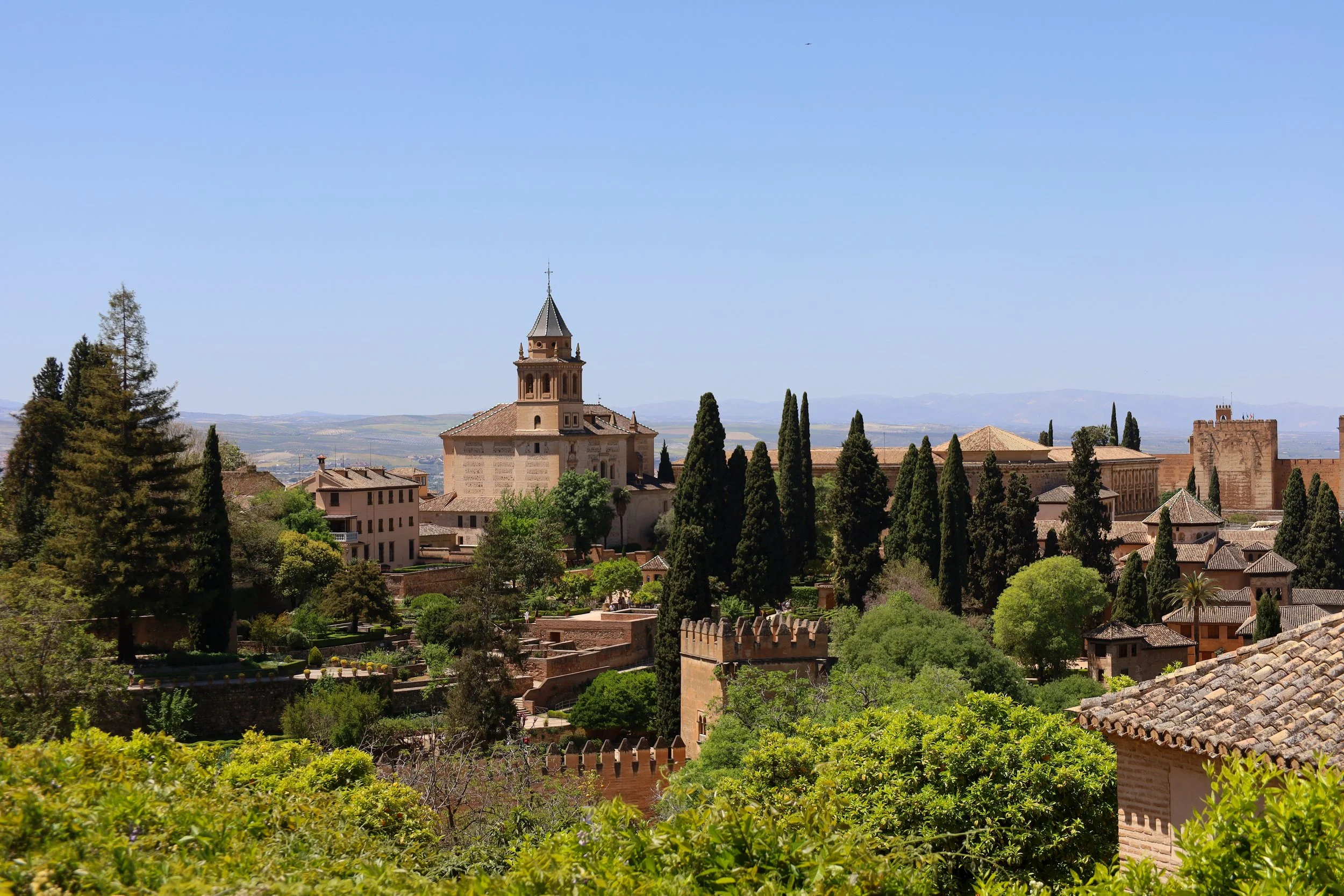
The Alhambra in Granada was one of the highlights of Spain.
This is the Spain you’ve imagined: Moorish palaces glowing at golden hour, flamenco echoing through narrow laneways, flower-filled patios, and tapas bars where €2 wine somehow tastes like the best you’ve ever had.
Welcome to Andalusia… a region made for curious travellers who want history, culture, food, adventure and slow, sensory moments in between.
This guide brings everything together in one place:
✔️ the best places to visit in southern Spain
✔️ a realistic, traveller-approved 2-week itinerary
✔️ how to get around Andalusia
✔️ where to stay, when to go, and what to know before you arrive
If you’re planning a bucket-list trip to Spain and don’t want to skim the surface, this is for you.
Why Travel to the South of Spain?
Andalusia is where layers of history collide. Roman roads, Moorish architecture, Catholic cathedrals and modern Spanish life all exist side by side… and somehow it works.
It’s also incredibly varied.
In one trip you can:
Wander UNESCO-listed palaces
Hike a jaw-dropping cliffside walkway
Road-trip through white villages perched on cliffs
Relax on Mediterranean beaches
Eat some of the best (and most affordable) food in Europe
💭 Travel moment:
For me, Andalusia felt so diverse. One day hiking the Caminito del Rey, the next wandering the arches of Córdoba’s Mezquita, then finishing with empanadas and wine at sunset on the rooftop of our accommodation as church bells echoed through the city. That contrast… grand and grounded… is what makes southern Spain unforgettable.
Where Is Andalusia (and What’s Included)?
Andalusia sits in southern Spain, bordered by Portugal, the Mediterranean Sea, and the Atlantic Ocean.
The most popular places to visit include:
Seville - culture, flamenco, architecture
Córdoba - patios, history, the Mezquita
Granada - the Alhambra & Moorish quarters
Ronda - dramatic gorge views
Málaga - culture meets coast
Costa del Sol - beaches & seaside towns
Best Time to Visit Southern Spain
Spring (March-May)
Warm days, cooler nights, festivals everywhere. Córdoba’s Patio Festival in May is a standout.
Summer (June-August)
Hot. Really hot. Cities can exceed 40°C. Best for coastal stays, not city-hopping.
Autumn (September-November)
Golden light, grape harvests, fewer crowds. One of the best times to visit.
Winter (December-February)
Mild in cities, quiet, and even ski season in the Sierra Nevada.
👉 Best overall: April-May or September-October for ideal weather, festivals and manageable crowds.
How to Get Around Andalusia
Trains
Spain’s train network is excellent.
High-speed AVE trains connect Seville, Córdoba and Málaga
Comfortable, fast and affordable
Car Hire (Highly Recommended)
If you want to explore:
White villages (pueblos blancos)
Ronda
Countryside stops
Caminito del Rey
…you’ll want a car.
Road-trip lesson: After a nation wide power outage (the largest in European history), we found ourselves driving through the hills with just 45km of fuel left… in a town with no fuel… praying the next town had petrol. We made it (barely). Learn from us: never let your tank drop below half when exploring rural Andalusia.
Walking
Every historic centre is best explored on foot, and one of the things I love about Spain is that most of these areas are very walkable. Bring comfy shoes… you’ll earn every sunset.
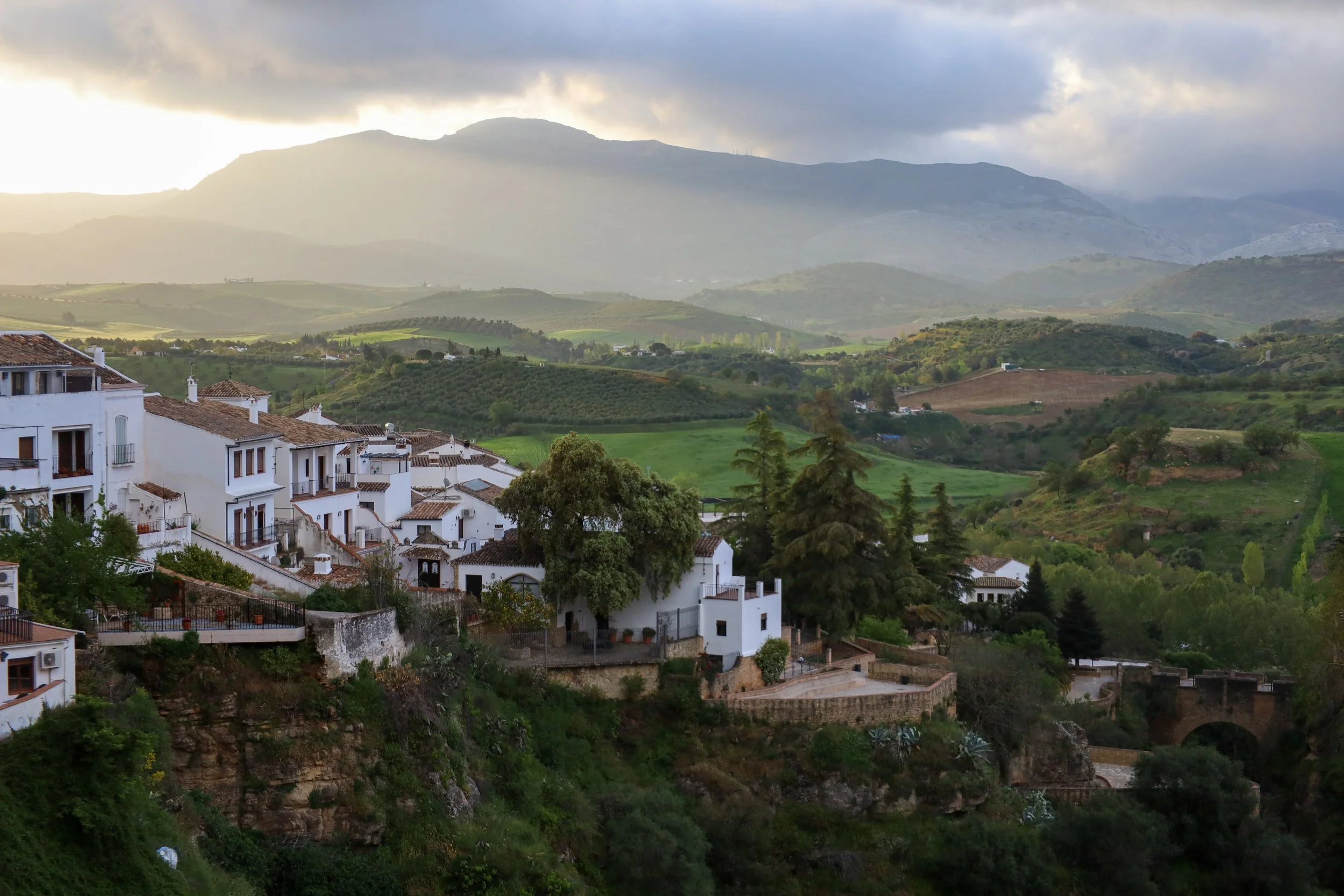
Spectacular views over Ronda from our balcony.
Your Perfect 2-Week South of Spain Itinerary (Day by Day)
This itinerary is designed to balance iconic sights, local moments, slow travel, and adventure — without burnout. Expect early starts, long lunches, golden-hour wandering, and just enough flexibility to follow your curiosity.
Days 1-3: Seville - The Soul of Andalusia
Seville is where Andalusia’s energy comes alive. It’s bold, beautiful, and passionate, the birthplace of flamenco, home to some of Spain’s most impressive architecture, and the perfect introduction to southern Spain.
Day 1 - Arrival & First Taste of Seville
Morning / Afternoon
Arrive in Seville and settle into accommodation in Santa Cruz, the historic Jewish Quarter.
Take a gentle orientation walk… this is a city best discovered slowly, with no real plan.
Pop in for a sherry at El Rinconcillo - Seville’s Oldest Bar.
Evening
Wander Seville’s orange-tree-lined streets as the heat fades.
Tapas hop between local bars (stand at the bar, order one dish at a time).
Optional sunset at Metropol Parasol (Las Setas), a futuristic structure offering panoramic city views.
💡 Travel moment:
We arrived by train during a rainstorm, and decided to walk the few kilometres to our accommodation. Not glamorous. We were surprised to be surrounded by snails, and quickly learned it’s something Seville is known for.
Day 2 - Seville’s Icons & Moorish Masterpieces
Morning
Explore the Real Alcázar of Seville, a jaw-dropping royal palace layered with Moorish arches, tiled courtyards, and lush gardens. Give yourself plenty of time to explore.
Book tickets well in advance - this is one of Spain’s most popular sights.
Afternoon
Visit Seville Cathedral, the largest Gothic cathedral in the world.
Climb La Giralda Tower for sweeping views across terracotta rooftops, with beautiful afternoon light.
Evening
Experience an intimate flamenco performance at Casa de la Memoria - emotional, raw, and unforgettable.
Day 3 - Neighbourhoods, River Views & Local Life
Morning
Get lost in Barrio Santa Cruz, discovering hidden patios and flower-filled balconies.
Afternoon
Stroll along Canal de Alfonzo XIII for iconic photo opportunities of Torre del Oro.
Cross the canal to Triana, known for ceramics, flamenco roots, and some of the most authentic tapas in the city.
Evening
Soak up the atmosphere at Plaza de Espana during golden hour, before rooftop drinks overlooking the city.
Stay: Santa Cruz for atmosphere
Tip: Start early… siesta exists for a reason
👉 Tip: Seville gets hot fast - start early, slow down midday, and embrace late dinners.
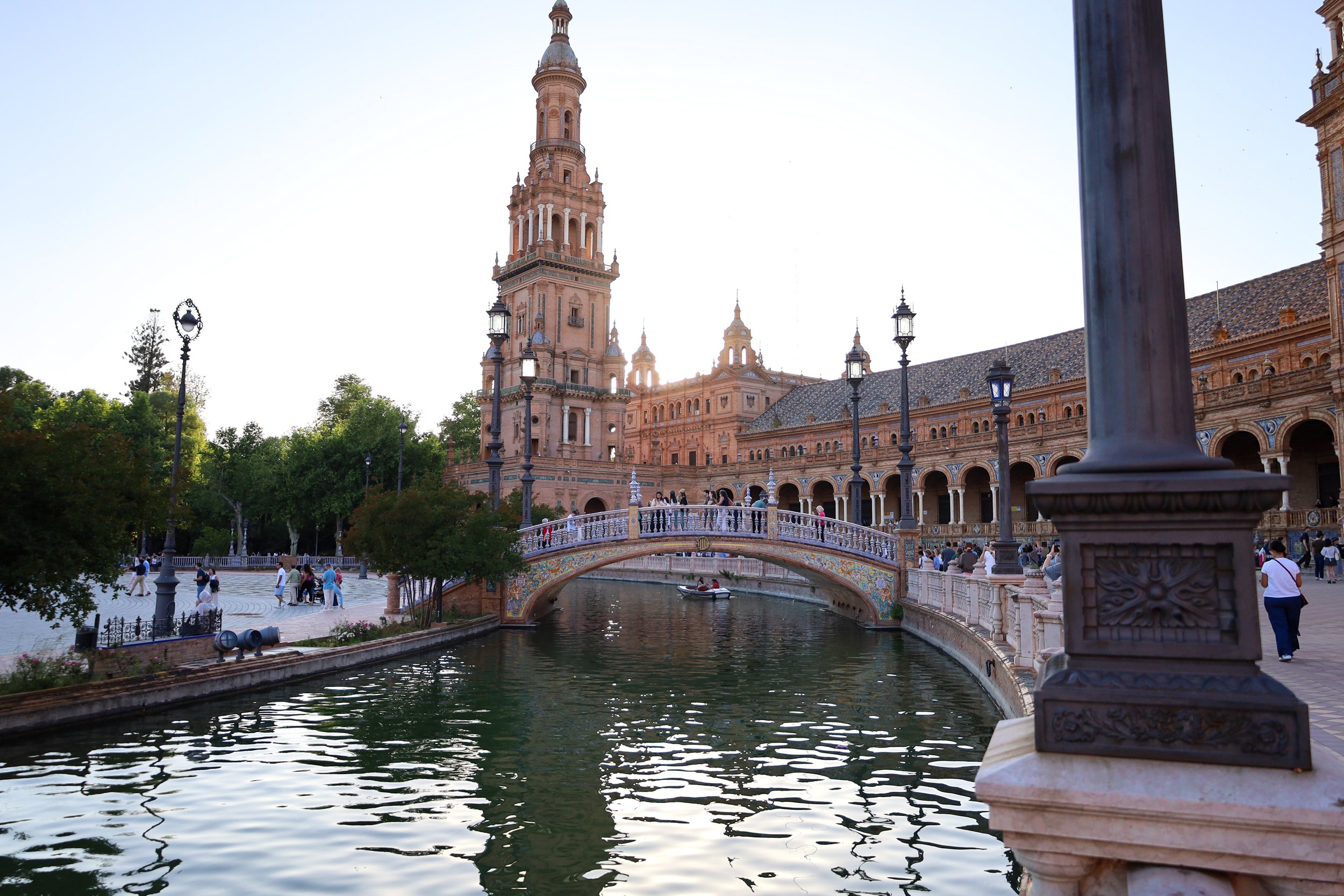
Plaza de Espana in Seville.
Days 4-5: Córdoba - Courtyards & Culture
Córdoba is compact, soulful, and magical. Once the most important city in Europe, it’s a place where Islamic, Jewish and Christian histories intertwine.
Day 4 - The Mezquita & Old Town Magic
Morning
Visit the Mezquita (Mosque-Cathedral) early to beat the crowds. Book tickets well in advance.
Climb the Bell Tower (located at the Mezquita) for sweeping views over Córdoba’s old town.
Its red-and-white arches stretch endlessly, creating one of the most striking interiors in the world.
Afternoon
Wander the Jewish Quarter, with its narrow lanes, whitewashed houses and artisan shops.
Explore Córdoba’s famous patios, especially magical in May during the Patio Festival. Even outside festival season, many homes display flowers and tiled courtyards.
Evening
Dinner in the old town… quiet, atmospheric, and perfect for a slower night.
💡 Travel moment:
Our Córdoba accommodation had a private rooftop terrace with views of the bell tower. We grabbed a €2 bottle of wine and fresh empanadas from a local bakery, and headed to our rooftop to enjoy the sunset. It was our favourite dinner of the trip!
Day 5 - Patios, Bridges & Slow Wandering
Morning
Visit the Alcázar de los Reyes Cristianos. Buy tickets in advance.
Afternoon
Walk across the Roman Bridge and along the riverside.
Stop for lunch in a shaded plaza and watch local life unfold.
Evening
Try salmorejo, Córdoba’s creamy tomato speciality.
Enjoy an early night or sunset wander.
👉 Why it works: Córdoba’s walkability makes it one of the most relaxing stops on this itinerary.
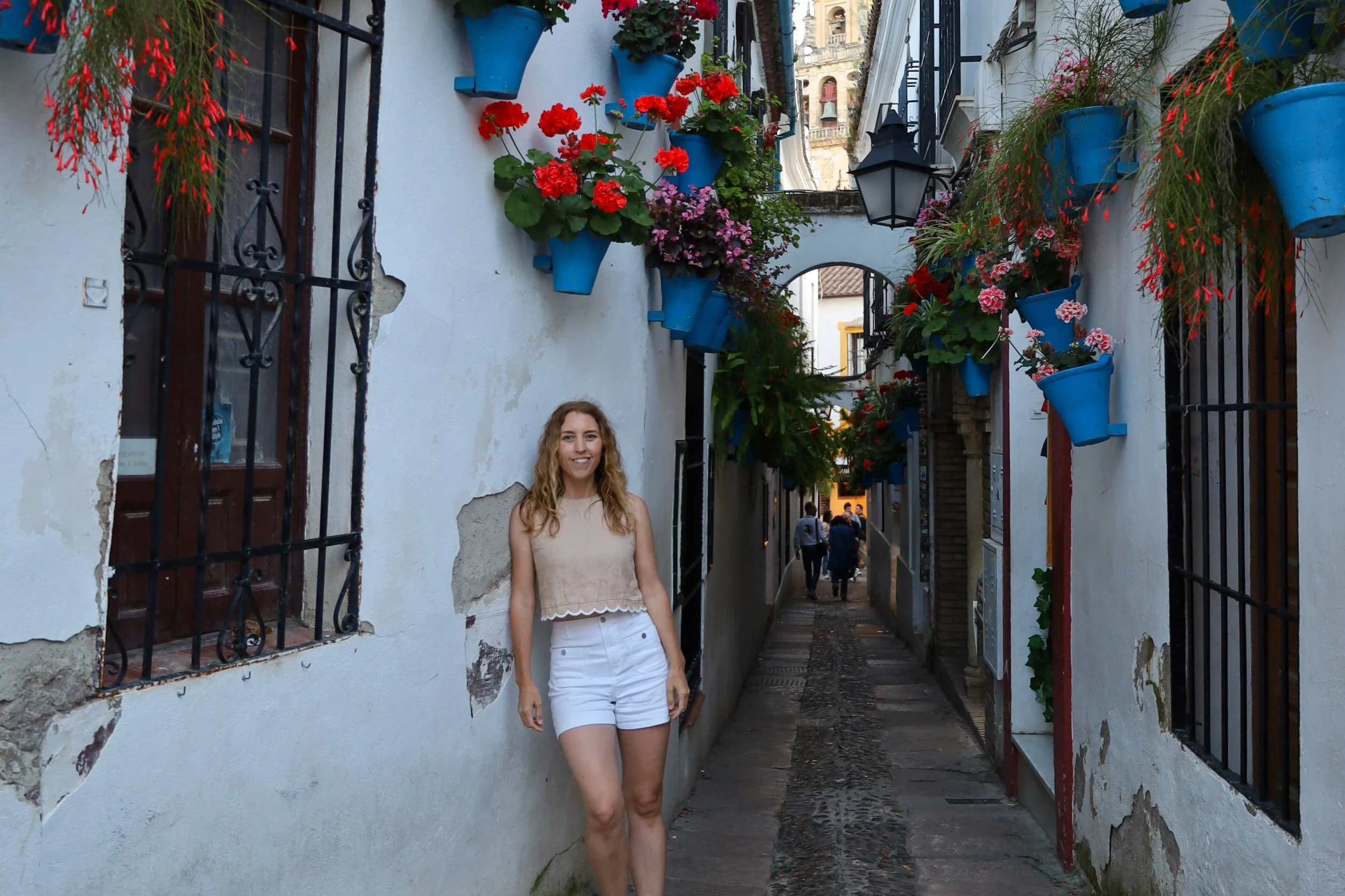
Flower filled streets in Cordoba.
Days 6-8: Granada - Moorish Majesty & Mountain Views
Granada feels different. Set beneath the Sierra Nevada, it’s deeply Moorish, scenic, and one of Spain’s best-value food cities… thanks to its legendary free tapas culture.
Day 6 - The Alhambra Experience
Morning
Visit the Alhambra, Spain’s most famous monument.
Allow 3-4 hours to explore the Nasrid Palaces, Alcazaba fortress, and Generalife gardens… though it’s easy to spend a whole day here.
Tickets must be booked months in advance.
Afternoon
Continue wandering the Generalife Gardens, cooling fountains and floral paths offering respite from the crowds.
Evening
Tapas crawl in the city… almost every drink comes with food. Often no menu, just trust the process.
Day 7 - Albaicín, Sacromonte & Sunset Views
Morning
Get lost in the Albaicín, Granada’s Moorish old quarter.
Narrow lanes, whitewashed houses and constant glimpses of the Alhambra.
Afternoon
Walk up to Sacromonte, known for cave houses and flamenco heritage.
Evening
Sunset at Mirador de San Nicolás, where the Alhambra glows gold against the mountains.
Stay for the atmosphere… locals, musicians, and shared awe.
💡 Travel moment:
Our accommodation had an epic balcony right near Mirador de San Nicolás. We were in Gardena during the nation wide power outage of 2025, and watch the sunset while drinking local wine from our balcony.
Day 8 – Culture, Markets & Rest
Morning
Visit Granada Cathedral, the final resting place of Ferdinand and Isabella.
Afternoon
Browse the Alcaicería Market for souvenirs and spices.
Optional hammam-style Arab baths for a deeply relaxing afternoon.
Evening
Slow dinner and early night… tomorrow brings dramatic landscapes.
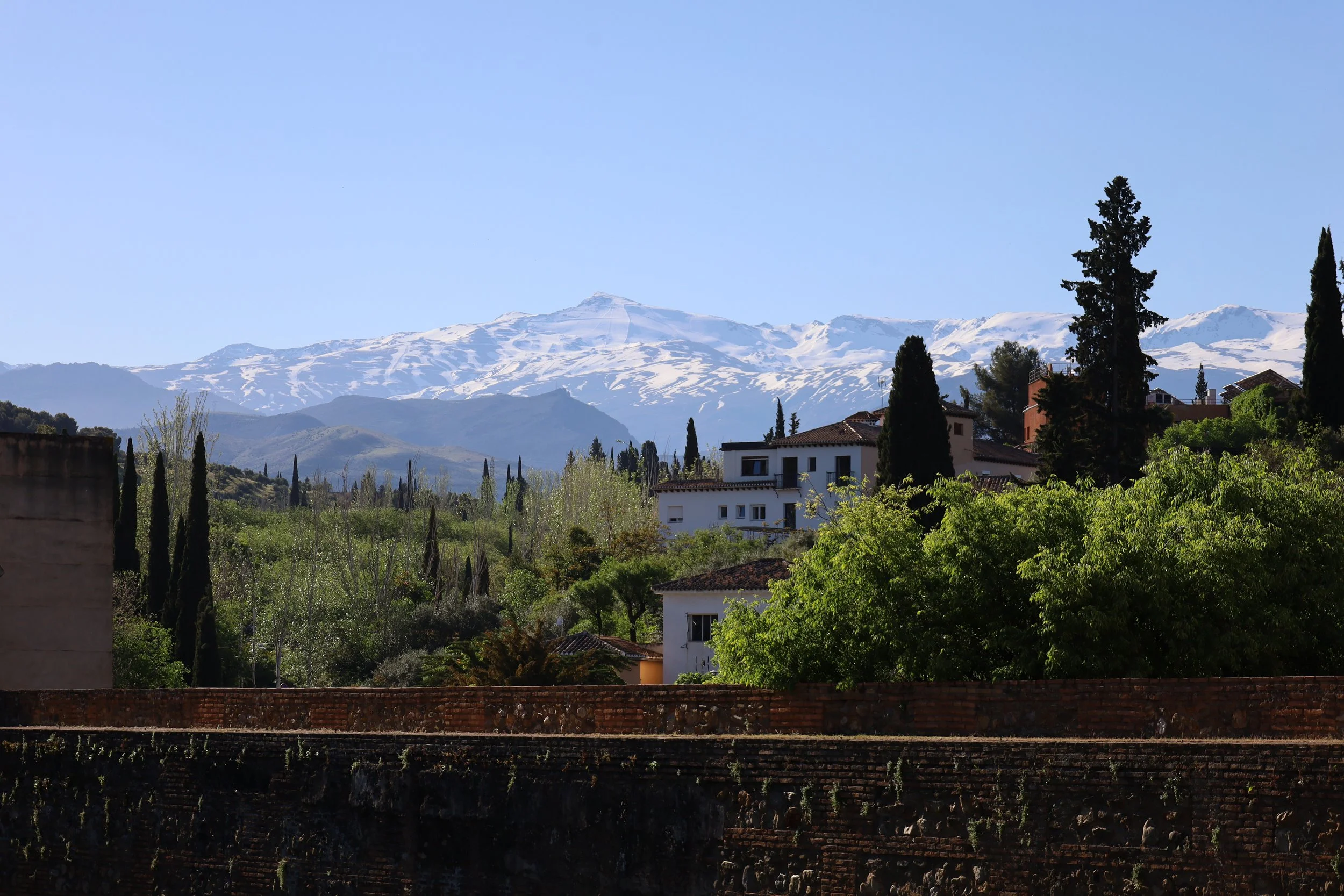
Granada was easily one of my favourite spots in Spain.
Days 9-10: Ronda & The White Villages
This is where Andalusia turns cinematic. White villages cling to cliffs, roads wind through olive groves, and Ronda quite literally stops you in your tracks.
Day 9 – Ronda’s Dramatic Beauty
Morning
Visit Puente Nuevo, the iconic bridge spanning a deep gorge.
Walk the clifftop paths for different perspectives.
Afternoon
Explore Ronda’s old town and historic bullring (architecture-focused, even if you skip the history).
Evening
Stay overnight… Ronda is magical once the day-trippers leave.
Eat early, restaurants close early in Ronda.
Day 10 - White Villages Road Trip
Morning
Drive to Olvera, climb the hilltop castle for sweeping countryside views.
Afternoon
Continue to Setenil de las Bodegas, where houses are built directly into the rock face.
Evening
Overnight return to Ronda.
💡 Road tip: Keep your fuel tank above half… distances are short, but services can be sparse.
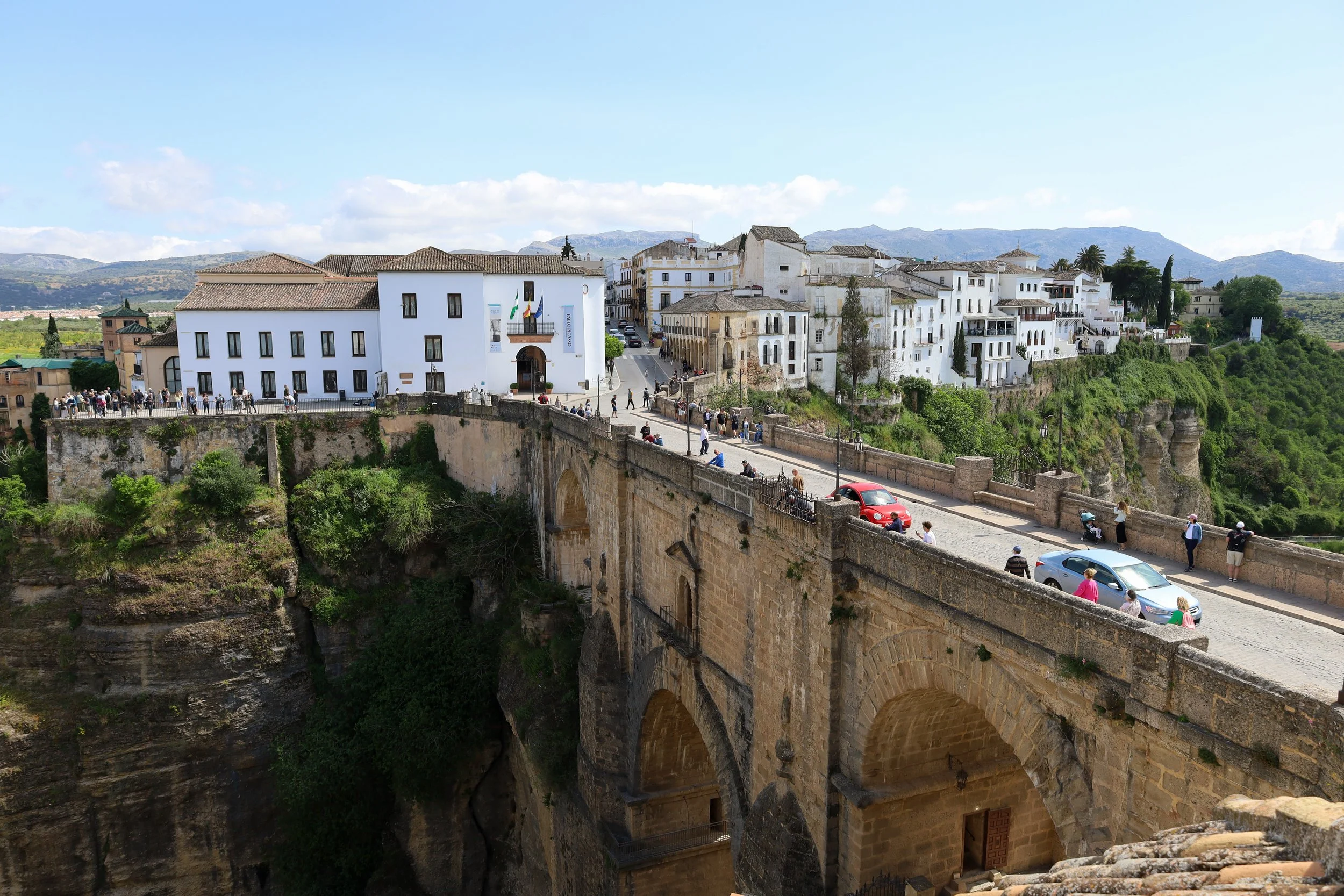
Can you believe this was the view from our room?! The famous Puente Nuevo.
Days 11-12: Málaga & Caminito del Rey
Málaga blends city culture with beach life, and serves as the gateway to one of southern Spain’s most thrilling adventures. Dive deeper into the best things to do in Málaga with my Málaga Travel Guide.
Day 11 - Málaga’s Culture & Coast
Morning
Visit the Alcazaba, a Moorish fortress with sweeping sea views.
Afternoon
Explore the Picasso Museum, celebrating Málaga’s most famous son.
Long tapas lunch in the old town.
Evening
Sunset at Playa de la Malagueta (barefoot, relaxed, unhurried) or Mirador de la Coracha (sweeping views over Malaga and the ocean).
💡 Traveller tip: If you’re more into history than art, head to Castillo de Gibralfaro.
Day 12 - Caminito del Rey Adventure
Morning
Hike Caminito del Rey, a thrilling cliffside walkway suspended above a dramatic gorge.
Once considered the world’s most dangerous walk… it now feels completely safe, but still exhilarating.
Book tickets well in advance.
Afternoon
Recover with lunch at a local restaurant or chiringuito.
Evening
Return to Málaga or overnight in Nerja.
💡 Traveller tip: We found the best food in the South of Spain was in Malaga, especially the paella and patatas bravas.
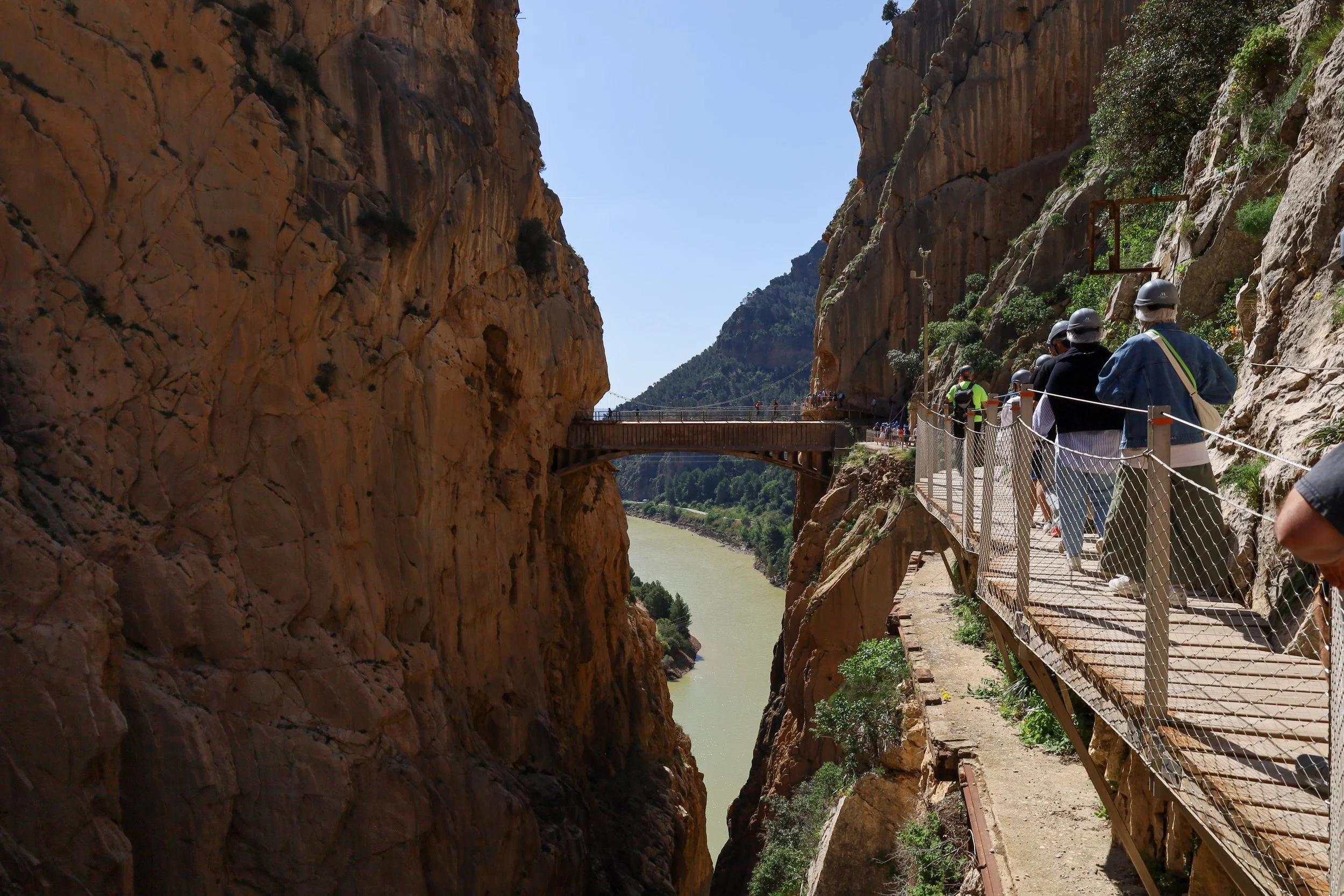
Hiking the Caminito del Rey is a highlight.
Days 13–14: Costa del Sol & Flexible Day Trips
These final days are about slowing down and choosing what you need most.
Options include:
Nerja Caves + beach time
Sunset wandering in Frigiliana
Wine tasting near Ronda
Pure beach relaxation on the Costa del Sol
End your trip rested, inspired, and already planning your return.
Where to Stay in South Spain
Seville: Stay in Santa Cruz for atmosphere.
Córdoba: Near the Mezquita for magical views.
Granada: Albaicín for charm, or near Plaza Nueva for convenience.
Ronda: Boutique hotels with gorge views.
Málaga: Old town for history and nightlife, beachfront for relaxation.
Travel Tips for South Spain
Book tickets early for the Alhambra, Mezquita, and Alcázar (trust me).
Go early to beat crowds and heat, mornings are best in Andalusia.
Avoid summer city travel unless you thrive in crowds and 40°C heat.
Stay connected - get a SIM if road-tripping, especially in rural areas.
Carry cash - smaller towns and tapas bars often prefer it.
Pack layers - evenings can cool quickly.
Bring comfortable shoes for big activity days and cobblestone streets.
👉 Important: Always book tickets directly through the ticket links displayed on the official tourism website www.spain.info. We found many sites by individual tour operators posing as the official sites, selling tickets and tours. Don’t risk missing out on experiences, paying more, or being scammed by using other sites.
South of Spain Travel FAQs
Is 2 weeks enough for Andalusia?
Yes, you can cover the highlights (Seville, Córdoba, Granada, Ronda, Málaga, white villages, Costa del Sol).
Do you need a car in South Spain?
Not for major cities, but highly recommended for pueblos blancos, Caminito del Rey, and countryside drives.
Is southern Spain good for first-time visitors?
Perfect. It’s approachable, affordable and deeply rewarding.
What’s the best time to visit?
April-May and September-October are ideal for weather + festivals.
What should I pack?
Comfy walking shoes, light layers, a hat, refillable water bottle, and a camera for all those courtyards and rooftops.
By the end of our time in southern Spain, it wasn’t the big-ticket sights I kept thinking about… it was the everyday moments. Sitting on rooftops with cheap wine. Wandering cities without really knowing where we were going. Choosing to stay out a little longer because the night felt good.
This itinerary gives you a solid framework to see Andalusia properly, but don’t feel like you need to follow it perfectly. Some of our best memories came from things we didn’t plan at all, and that’s kind of the point. Use this as a guide, then let the rest unfold as it will.
Disclosure: This blog includes affiliate links. I will be paid a commission if you use these links to make a purchase.