The Best Time to Visit Tasmania (Weather, Seasons, Crowds & Events)
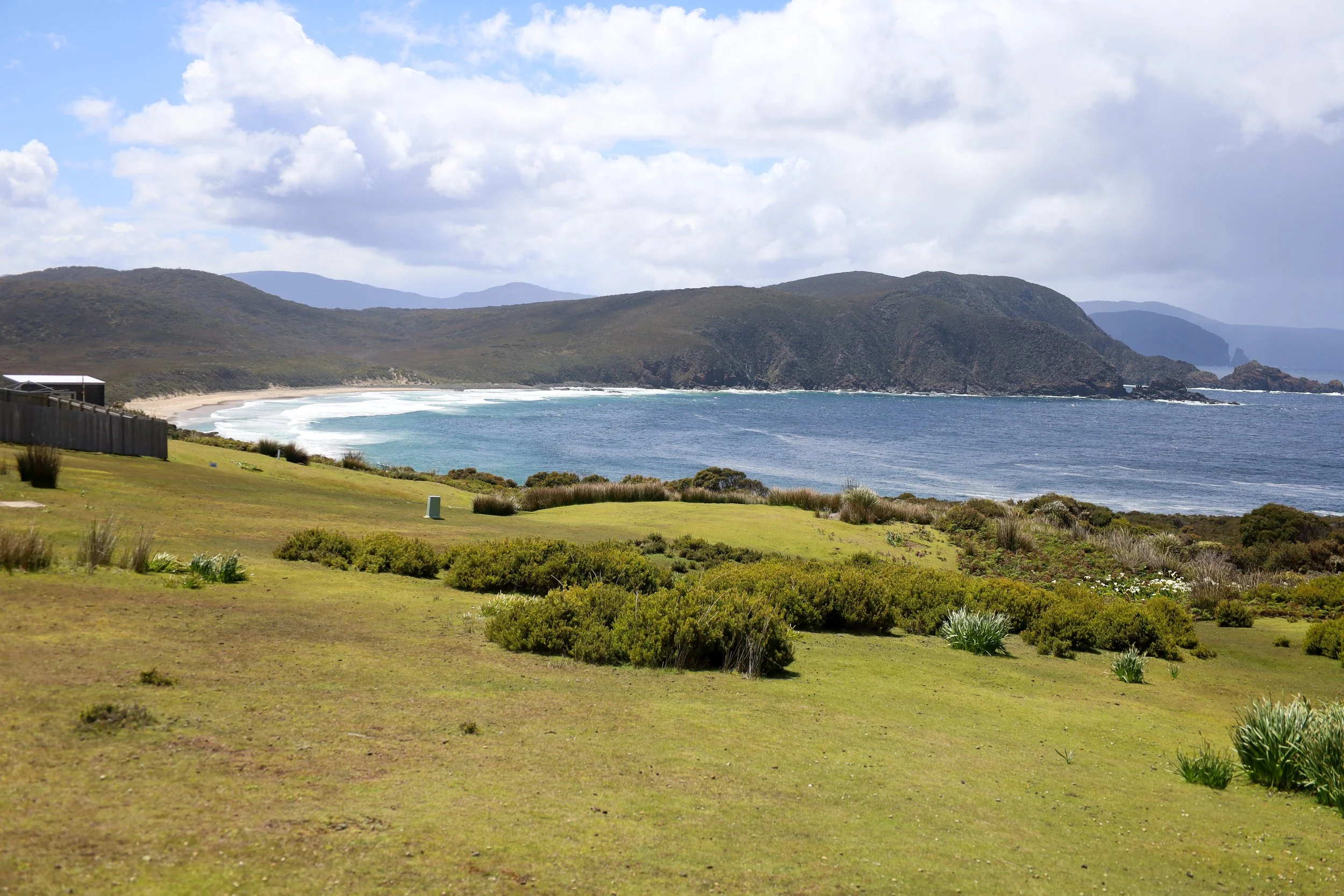
Rugged coastlines on Bruny Island, Tasmania.
Spoiler alert… Tasmania doesn’t have a single ‘best’ time to visit, and that’s exactly what makes it so special.
I’ve stood in falling snow at Lake Dobson at lunchtime, shivered through a penguin viewing experience that was absolutely worth it, and peeled off layers at some of the most beautiful beaches I’ve ever seen, all within the same trip. Tasmania is wildly changeable and rewarding… if you choose the timing that matches how you want to travel.
This guide breaks down the best time to visit Tasmania by season, including weather, crowds, events, and the kind of experiences each month is best for. Whether you’re chasing hikes, cosy winter escapes, food and wine festivals, or quieter road trips, this will help you plan with confidence.
Tasmania at a Glance: What You Need to Know
Seasons are milder than mainland Australia, but far more unpredictable
Weather changes fast, especially in alpine and coastal regions
Crowds peak in summer and during major events
Winter is underrated (and incredible if you pack properly)
Summer can still be cold, and it still snows in many regions
If flexibility is your travel superpower, Tasmania will reward you tenfold.
Summer in Tasmania (December - February)
Best for: Hiking, road trips, long days, coastal exploring
Summer is Tasmania at its most vibrant. Days are long, national parks are fully accessible, and the island feels alive with travellers, locals and festivals.
What Summer Feels Like
Average temps: 17-23°C (cooler in alpine areas)
Longer daylight hours (perfect for full days out)
Weather can still swing - layers remain essential
I visited 1 week before summer. This is when I tackled Cradle Mountain, and explored Freycinet’s white-sand beaches.
Pros
Best conditions for hiking and national parks
Great coastal weather
Festival season
Cons
Busiest time of year (though crowds are low compared to most destinations)
Higher accommodation prices
Popular spots book out early
Summer Highlights & Events
Taste of Summer (Hobart)
Salamanca Market at its liveliest
Autumn in Tasmania (March - May)
Best for: Scenic road trips, food & wine, fewer crowds
Autumn might just be Tasmania’s sweet spot.
Vineyards glow gold, mornings are crisp, and the crowds thin out. This is the season where Tasmania feels slower, richer, more intimate.
What Autumn Feels Like
Temps: 12-20°C
Cool mornings, mild days
Stunning colour in wine regions and valleys
Autumn is the best time to linger at cellar doors, layer up for morning walks, and enjoy entire lookouts to yourself.
Pros
Fewer crowds than summer
Excellent wine and food experiences
Comfortable hiking weather
Cons
Shorter days as winter approaches
Higher elevation areas can get chilly fast
Autumn Highlights & Events
Tamar Valley wine season
Dark Mofo (late May/early winter crossover)
Winter in Tasmania (June - August)
Best for: Cosy escapes, winter landscapes, unique experiences
Winter in Tasmania is dramatic, in the best way.
Snow dusts the mountains, fireplaces crackle in historic pubs, and popular places feel uncrowded. It’s colder than most travellers expect… but also very atmospheric.
What Winter Feels Like
Temps: 3-12°C (often colder at altitude)
Snow is likely in Cradle Mountain, Mount Field, Mount Wellington
Wind can be biting
Pros
Fewer crowds
Lower accommodation prices
Snowy landscapes without international flights
Cons
Some roads and walks may close temporarily
Requires better planning and layers
Winter Highlights & Events
Dark Mofo (Hobart)
Winter solstice swims and rituals
Snow play at Mount Field & Cradle Mountain
Spring in Tasmania (September - November)
Best for: Wildflowers, waterfalls, shoulder‑season value
Spring is Tasmania waking up.
Waterfalls are at their best, wildflowers are in full bloom across national parks, and the island feels fresh, though still wildly unpredictable.
What Spring Feels Like
Temps: 8-18°C
Rapid weather changes
Snow still possible early in the season
Spring was when I needed every layer I packed, and was grateful for all of them. I saw snow in late Spring. It was cold, but magical.
Pros
Fewer crowds than summer
Excellent photography conditions
Waterfalls at peak flow
Cons
Weather roulette
Some high-altitude areas still cold
Spring Highlights & Events
Wildflower season
Shoulder-season accommodation deals
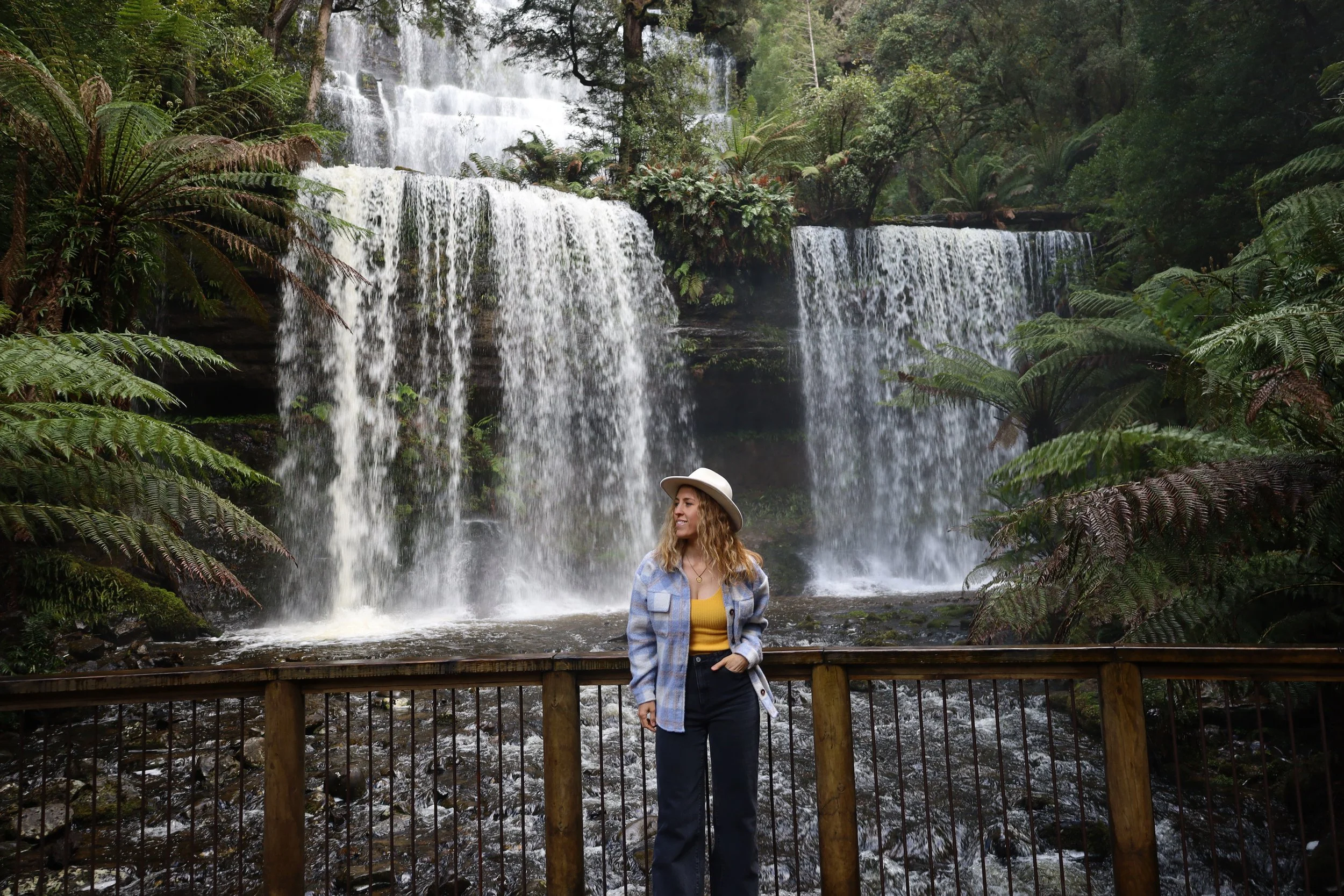
The beautiful Russell Falls.
When Is the Best Time to Visit Tasmania?
The honest answer? It depends on how you like to travel, and that’s exactly why Tasmania works so well for so many different styles of trips.
This is one of those rare destinations where every season offers something genuinely different. The key is matching the timing to what you want to experience most.
If You’re Visiting for Hiking & National Parks
Late spring through summer (December to March) is the sweet spot.
Long daylight hours make it easier to fit in big days, alpine tracks are generally open, and conditions are more predictable… especially in places like Cradle Mountain, Mount Field and Mount Wellington. That said, even in summer you’ll still want layers. Tassie loves to keep you humble.
Best for: Epic hikes, waterfalls, multi-stop road trips and first-time visitors.
If You Want Fewer Crowds (and a Quieter Pace)
Winter (June to August) is wildly underrated.
Roads are quieter, lookouts feel peaceful rather than packed, and popular spots suddenly feel local again. Yes, it’s cold… but if you love moody landscapes, cosy stays and empty trails, winter is magic.
Best for: Slow travel, budget-friendly trips, photographers, and anyone who hates crowds.
If Photography Is a Priority
Autumn (March to May) and spring (September to November) are standouts.
Think dramatic skies, soft light, misty mornings, colourful foliage and full waterfalls. These seasons bring mood and movement to Tasmania’s landscapes… the kind that makes even phone photos look cinematic.
Best for: Landscape photography, content creation, and travellers who love atmosphere over sunshine.
If You’re Travelling for Food & Wine
Autumn (March to May) is hard to beat.
It’s harvest season, vineyards are buzzing, and cellar doors feel relaxed but alive. Cooler days also make winery lunches, long tastings and slow meals far more enjoyable.
Best for: Wine lovers, long lunches, and pairing travel with seasonal produce.
If You’re Chasing Snow
Winter (June to August) is your window.
Snow regularly falls at higher elevations like Cradle Mountain, Mount Field and Mount Wellington. You won’t get guaranteed powder every day, but when it hits, it’s incredibly special… especially against Tasmania’s rugged scenery.
Best for: Snow walks, winter photography, and travellers who love dramatic conditions.
If You’re Travelling on a Budget
Winter and the shoulder seasons (early spring and late autumn) offer the best value.
Accommodation prices are often lower, tours are easier to book last-minute, and you’ll still experience Tasmania at its most authentic… just with fewer people around.
Best for: Flexible travellers, road trips, and anyone wanting more experience for less spend.
A Quick Seasonal Snapshot
Summer (Dec-Feb): Warmest temperatures, longest days, busiest time
Autumn (Mar-May): Cooler air, stunning colours, food and wine peak
Winter (Jun-Aug): Cold, quiet, atmospheric, best for snow and savings
Spring (Sep-Nov): Unpredictable weather, wildflowers, powerful waterfalls
Traveller Tip
If you can avoid school holidays, you’ll unlock a calmer, more immersive Tasmania… regardless of the season.
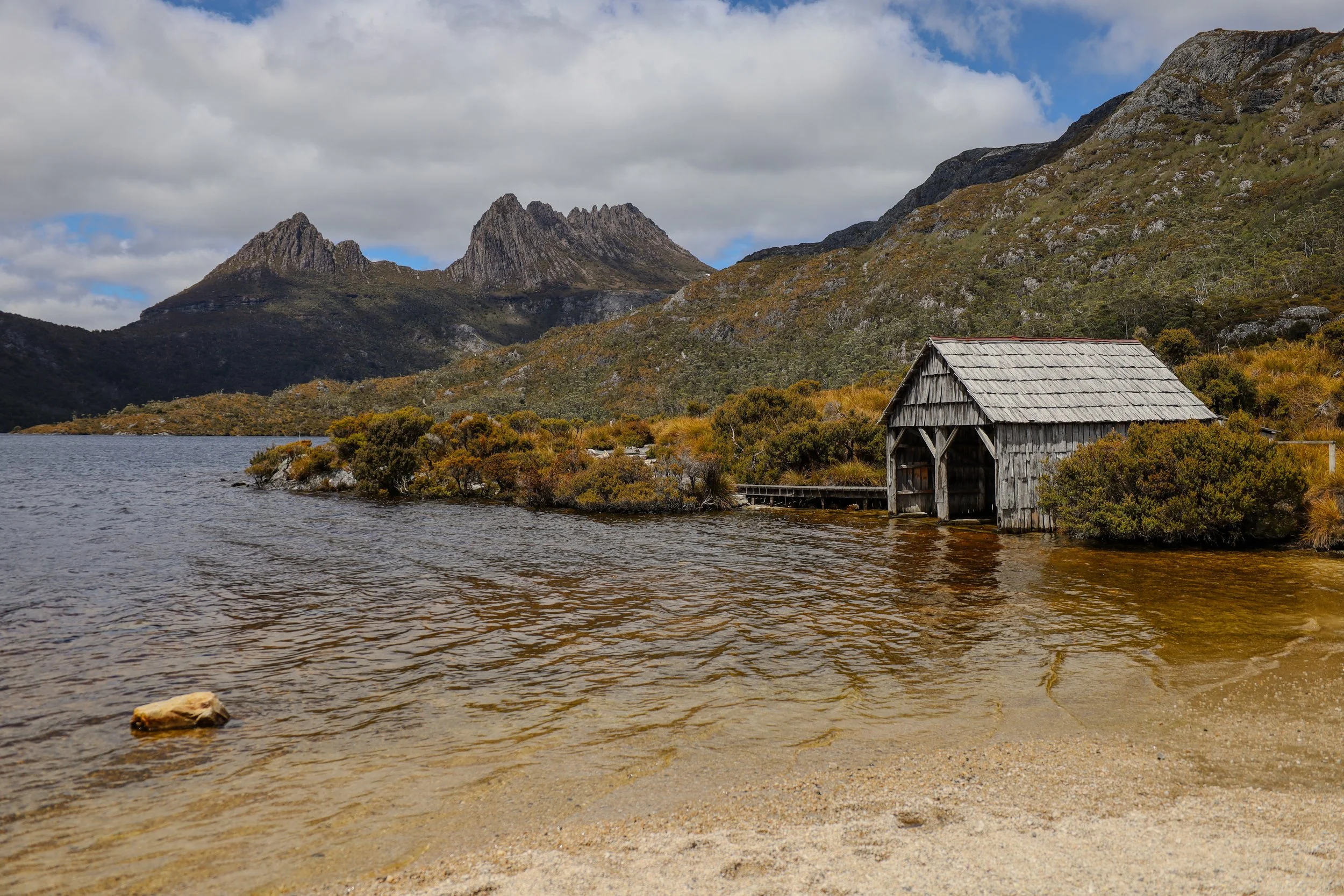
The famous boatshed at Cradle Mountain.
Crowds & School Holidays (What to Know)
Busiest: Late December-January, Easter, school holidays
Quietest: May, June, August (outside events)
Booking ahead is essential in summer, especially for car hire, national park accommodation and popular tours.
There’s No Wrong Time - Just the Right Fit
Whether you’re wrapped in layers watching snow fall, wandering vineyard roads in autumn, or hiking beneath endless summer skies, the best time to visit Tasmania is the one that matches how you want to experience it.
Plan for change, pack for layers, and leave space for moments you didn’t see coming… because that’s where Tasmania shines.
Disclosure: This blog includes affiliate links. I will be paid a commission if you use these links to make a purchase.