How I Travel With A Chronic Illness: My CIRS Travel Story + Practical Tips
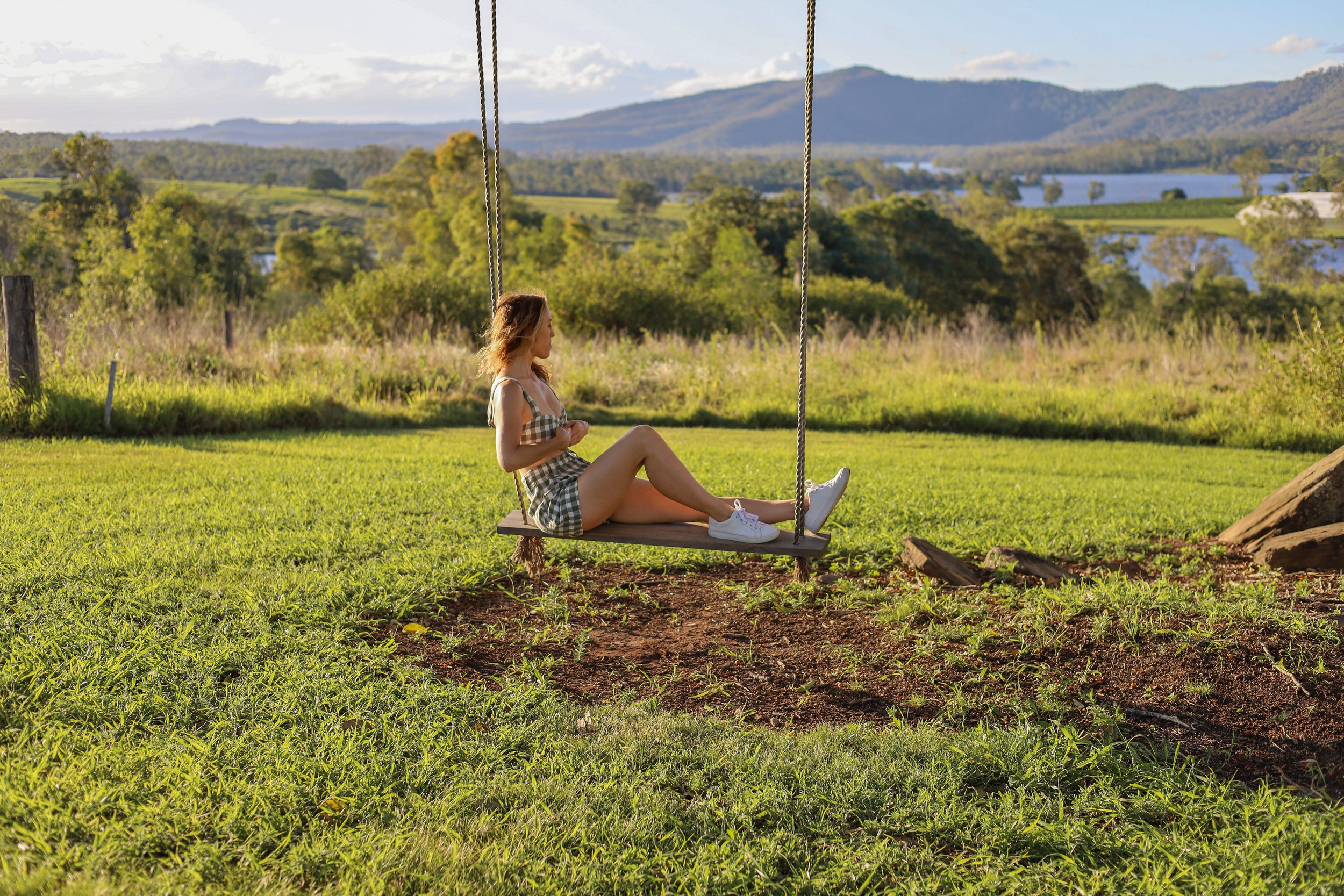
Early in my illness, spending time in nature in the Scenic Rim, Australia.
Living with a chronic illness doesn’t mean giving up on your bucket list. Here’s how I manage my health… while still travelling the world.
Living with a Chronic Illness No One Sees
There’s something I don’t often share online: I live with a chronic illness. It’s not always visible in photos or videos. I don’t “look sick.” But every trip I take is carefully planned around something called Chronic Inflammatory Response Syndrome (CIRS), often referred to as mould illness.
For a long time, I didn’t have a name for what I was experiencing. I just knew I was extremely exhausted, foggy, reactive to seemingly everything, and constantly managing a long list of symptoms that didn’t make sense. Eventually, I was diagnosed with CIRS, which affects how my body processes toxins… especially mould and environmental toxins. Unlike most people, my body doesn’t eliminate these toxins efficiently. Instead of getting flushed out, they’re reabsorbed. And the cycle just keeps going.
About 1 in 4 people have the genetic mutation that makes this possible. But it often takes a trigger (an event or exposure) for it to develop into something as life-altering as CIRS, and I had the perfect storm of circumstances. For me, it feels like waking up each day with a bad hangover that never goes away.
It’s a hard thing to navigate. But I’ve learned how to work with my body, not against it, and I still travel often and joyfully. Here’s how I do it.
Why I Choose to Travel Anyway
Travel is one of the things that makes me feel most alive, and it’s a part of who I am. The anticipation of a new culture, the feeling of standing somewhere you’ve read so much about… that is why I’ll never stop exploring. But chronic illness adds a layer of complexity that not everyone sees. Flare-ups, mental fatigue, dietary restrictions, migraines, and gut issues are just some of what I juggle while abroad.
Still, I go. I travel with intention. I plan with flexibility. And I honour my energy, because the world is too beautiful to stay home forever.
Travel Planning with Chronic Illness
I Start Planning Months in Advance
When I’m feeling well, I begin planning my trips early. I chip away at research slowly by reading blogs, watching videos, building out Google Maps lists of interesting restaurants, unique experiences, hidden gems and bucket list spots. I use saved lists in Google Maps for each destination (e.g. “Turkey” or “Tasmania”) so I have everything in one place. When I’m on the ground, I don’t have to overthink it, I just open my map and see what’s nearby that fits in with how I’m feeling on that day.
I Let Social Media Work for Me
Once I start searching and saving travel content on Instagram or Pinterest, the algorithm does the rest… showing me more of the content I engage with. I create shared folders with friends I’m travelling with so we can plan together without pressure. I also keep personal saved folders for destinations I might visit next, such as Oman, Cuba, the Solomon Islands… so when the time comes, I already have inspiration.
Using AI to Make Planning Easier
Planning while in a flare-up? Forget it. That’s where ChatGPT saves me.
I’ve created a reusable ChatGPT prompt that includes all my preferences… vegan, low-tox, adventure-meets-authentic experiences, budget, timeframe, and travel style. I save the prompt in the notes section of my phone so when brain fog hits, I can just copy, paste, tweak, and go.
Important tip: Always fact-check any itinerary AI gives you. Use it as a starting point, not the final word. Check that places still exist, hours are accurate, and the pacing suits your energy levels.
Want my exact travel planning prompt for ChatGPT? You can find it here in my guide How AI Is Transforming Travel Planning.
Accommodation: My Non-Negotiables
Accommodation is one of the most important parts of managing my illness while travelling.
Here’s what I look for:
Mould-free environments: I search reviews for keywords like musty, mould, damp, mildew. If they show up more than once? It’s a no-go.
Natural light: Places with good airflow and sunlight feel better for my body and are less likely to harbour mould. I avoid dark, damp, old properties when possible.
Kitchens for clean meals: When my body needs to reset, I cook simple meals packed with nutrients, rather than eating out. I’ll meal prep and refrigerate food to avoid daily cooking.
Sometimes I go 5-star… not for luxury, but for safety: Higher-end places often have 24/7 reception (helpful in emergencies), better cleaning protocols, consistent standards, and sometimes even medical staff on call.
Travelling While in a Flare Up
Some days I wake up and know it’s going to be a hard one. Here’s how I adapt:
Delegate the mental load. I share my saved maps or Instagram folders with my travel companions and ask them to take the lead.
Book a day tour. If I don’t have the brainpower to plan but still want to do something, I let a local guide handle the logistics.
Give myself permission to slow down. If I need a rest day or have to miss an activity, I release the guilt. That’s part of honouring my body.
What’s in My Chronic Illness Travel Kit
Here’s what I never travel without:
Essential meds & supplements (I take less than at home, but I prioritise what matters most)
Extra pain relief (Panadol, Nurofen)… because migraines hit harder on the road
Snacks & emergency meals I can trust
Filtered water bottle
A buffer day at the start and end of my trip to recover from travel itself
My Worst Travel Day… and What It Taught Me
One of my worst days was in the Greek Islands. I was so sick with gut issues, undiagnosed CIRS, and a parasite I’d picked up somewhere along the way.
We had a family boat trip booked around Milos. Everyone says it was the best day of the trip. For me? I was curled up inside the boat, under a pile of towels, shivering and barely functional. I was there… but I wasn’t really there. It broke my heart to miss out on the joy around me.
But I learned something: You don’t always have to be at 100%. Sometimes just showing up is enough.
Can You Still Travel?
Travelling with chronic illness is different… but (depending on your illness) it’s possible.
It requires patience, preparation, and a whole lot of self-compassion. But it also gives you the gift of deep presence, gratitude, and appreciation for the moments when your body lets you explore.
Choose a trip that feels do-able and aligns with what you truly need. Need to rest and restore? Book an off-grid tiny house stay in nature. Want adventure without the planning? Consider a group tour where all you need to do is show up. Looking for an easy escape with all the amenities? Consider an all inclusive resort. Want to fill your heart and soul with a bucket list trip? Give yourself ample planning time to plan your dream trip, with plenty of room to be flexible around flare ups.
Don’t let your chronic illness write your story for you. Reclaim the narrative. Adjust the pace. And go anyway.
Related Posts You’ll Love:
Start travelling smarter, lighter, and more confidently… with chronic illness in mind.
Let me know in the comments: do you travel with a chronic illness? What’s your biggest challenge? I’d love to connect with you and swap tips.