Ultimate Vanuatu Travel Guide: What to Know Before You Go
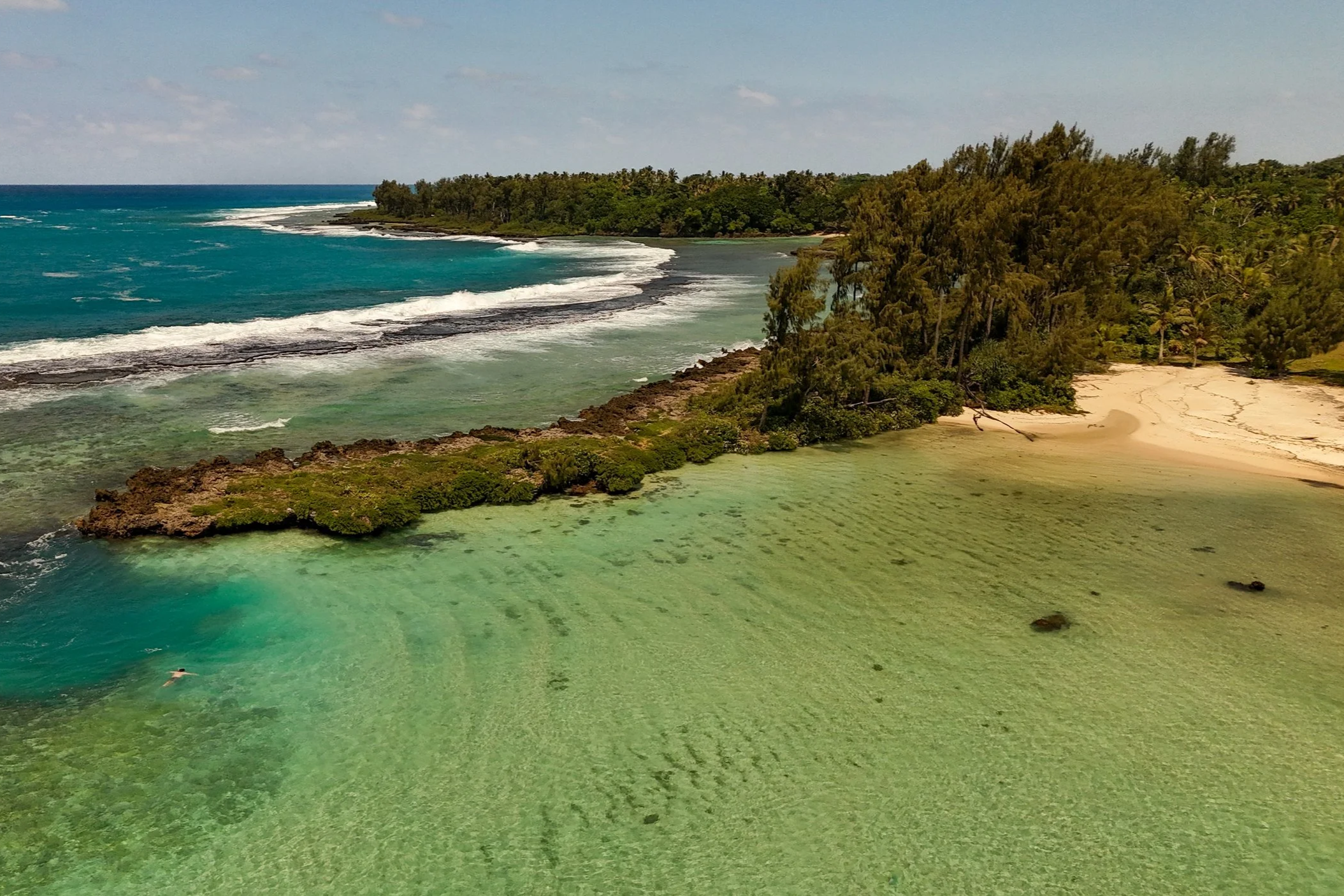
Eton Beach is great to pair with Blue Lagoon on Efate Island.
Where is Vanuatu, and what kind of place is it, really?
Vanuatu sits in the South Pacific, east of Australia and north of New Zealand. It’s made up of 83 islands, many of which still live very much on their own terms.
If you’re expecting something like Fiji or Bali, Vanuatu can feel confronting at first.
It’s not overdeveloped. It doesn’t revolve around tourists. And it doesn’t smooth out the rough edges for comfort. What it does offer is something increasingly rare: travel that still feels real.
This is a country where:
Traditions are (for the most part) lived, not performed
Nature is powerful and unpredictable
Tourism fits around daily life, not the other way around
And if that excites you more than infinity pools and scheduled entertainment, Vanuatu might surprise you in the best possible way.
Why Vanuatu is worth visiting (beyond the resorts)
Yes, there are resorts, and some of them are beautiful. But Vanuatu’s real magic lives outside them.
In eight days, we:
Stood on the rim of an active volcano
Swam in ocean caves and freshwater lagoons
Drank kava with locals at sunset
Watched fire twirling on the beach
Learned how communities prepare for cyclones using traditional knowledge
Vanuatu rewards curiosity. The more you step away from the polished edges, the more layered the experience becomes.
👉 Read more about Fascinating Things to Know Before Travelling to Vanuatu.
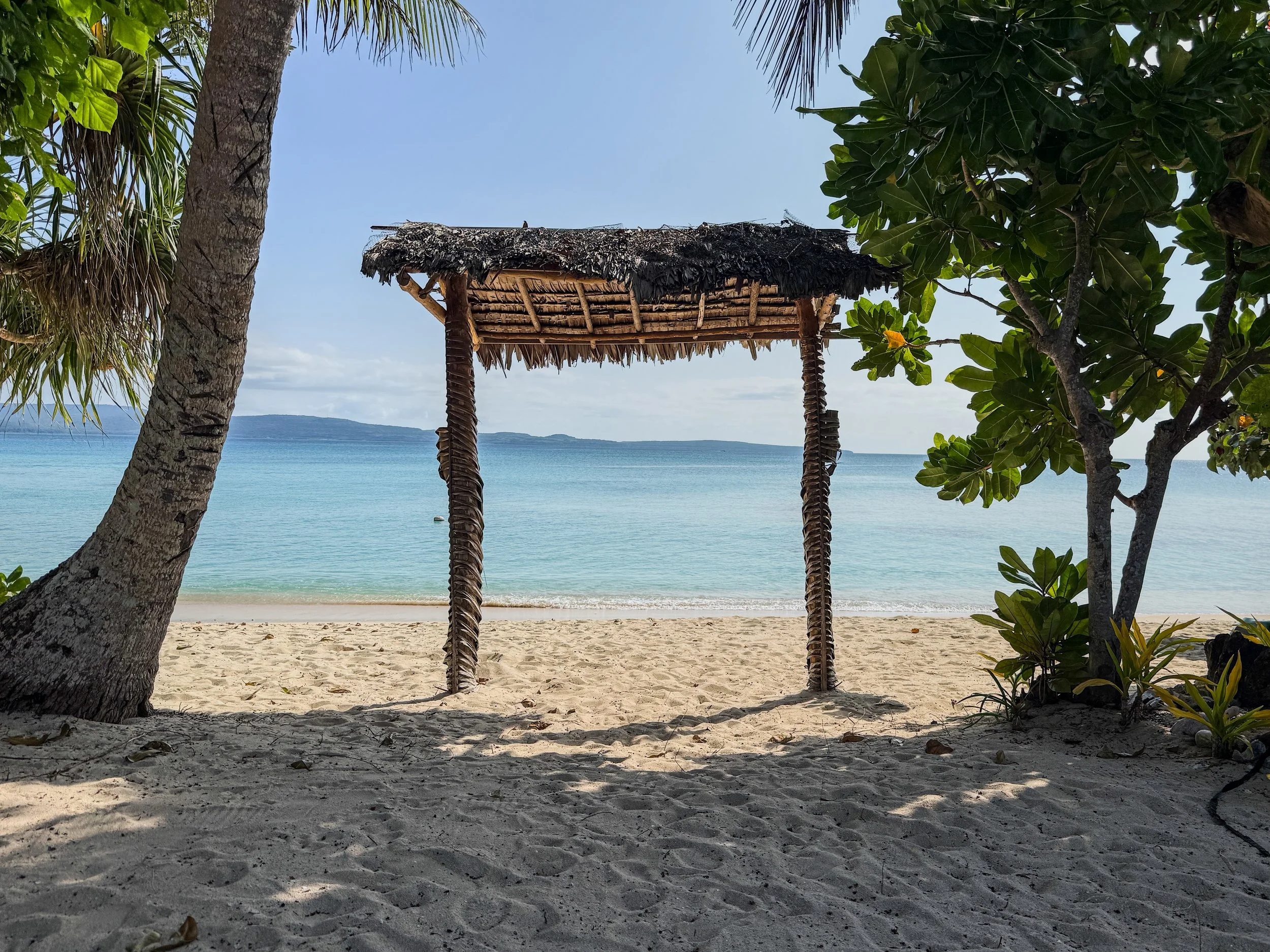
Pele Island is a perfect day trip from Port Vila.
Efate vs Tanna vs Santo: Which Vanuatu island is right for you?
One of the biggest mistakes first-time visitors make is trying to see too many islands in one trip.
Domestic flights in Vanuatu can be expensive and unreliable, and it’s important to factor transit days and buffers into your itinerary in case of cancellations and disruptions. My recommendation for a short trip (under a week) stick to 1 island. In 7 to 10 days, visit 2 islands. And if you have more time you can explore 3 or more islands.
Here’s a breakdown to help you choose the right island/s for you.
Efate Island - best for first-timers
Home to Port Vila, Efate Island is the easiest introduction to the country.
Best for:
Waterfalls, beaches and lagoons
Island day trips (Pele, Erakor, Moso)
Cultural villages and food
Flexible transport and accommodation
It’s where you’ll likely land, and it’s worth staying longer than you think.
👉 Discover the Best Things to Do on Efate Island.
Tanna Island - raw, remote and unforgettable
Tanna Island is where Vanuatu feels most powerful.
Home to Mount Yasur, village life and strong kastom traditions, Tanna strips travel back to basics.
Best for:
Adventure and nature lovers
Cultural curiosity
Volcano experiences
Travellers comfortable with fewer comforts
Off the beaten path travel
This is not luxury travel, but it is deeply memorable.
👉 Learn more about Visiting Tanna Island & Mount Yasur Volcano.
Espiritu Santo - beaches and WWII history
Espiritu Santo is known for:
Champagne Beach (and some of the most beautiful beaches in Vanuatu)
Blue Holes
WWII relics
Diving and snorkelling
Luxury ocean front resorts
It’s often chosen instead of Tanna, not in addition to it.
👉 Dive deeper with my guide on Which Vanuatu Island Should You Choose?
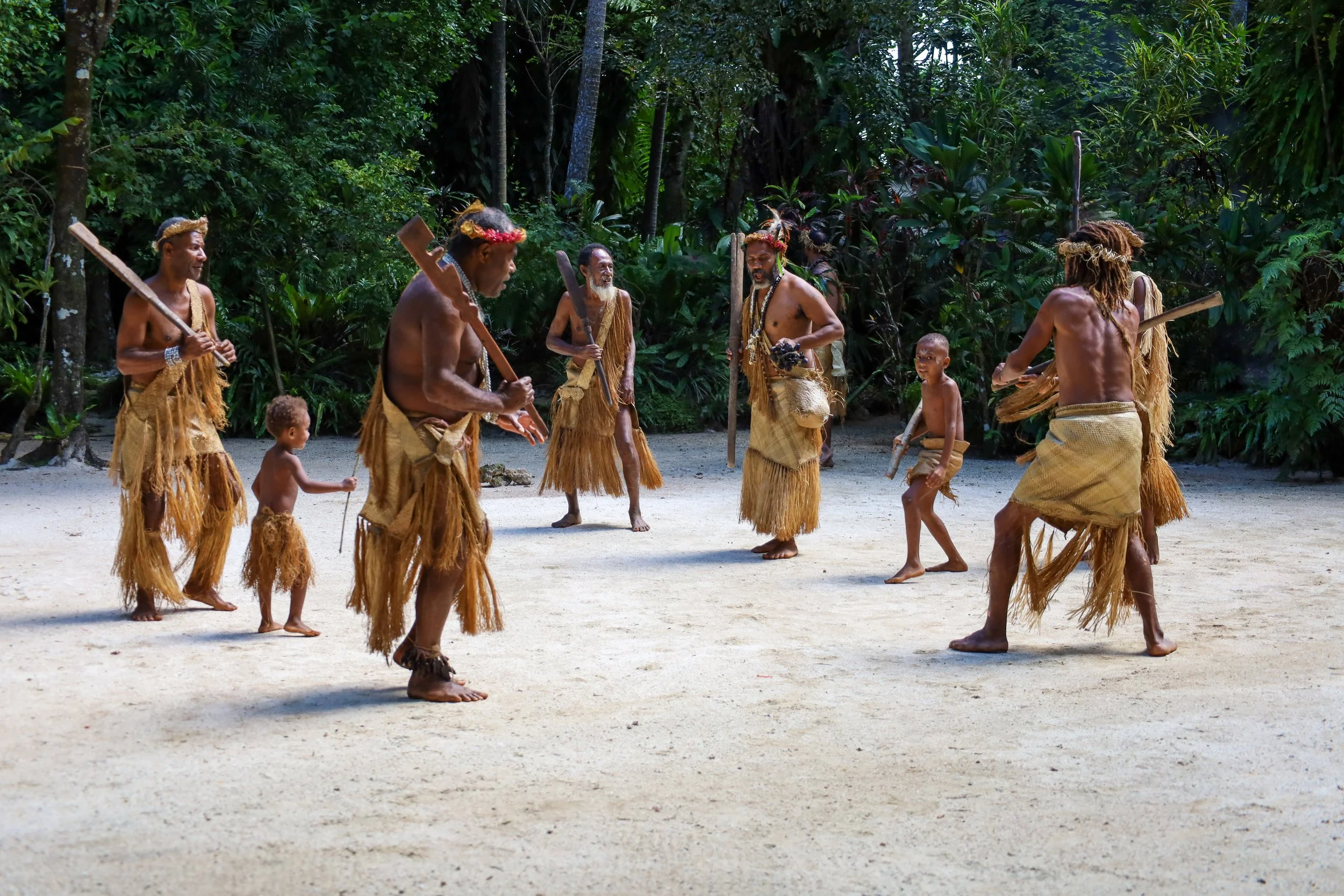
Learn about local customs at Ekasup Cultural Village near Port Vila.
Best time to visit Vanuatu
Vanuatu is warm year-round, but timing matters.
Dry season (May-October)
Cooler (but still warm), drier, busier
Peak travel months
Higher prices
Wet / cyclone season (November-April)
Hot, humid, and more rain
Fewer tourists
Risk of cyclones
April: the sweet spot
We visited in April, and it was ideal:
Lush landscapes
Fewer crowds
Better accommodation availability (we booked stunning places the night before)
Minimal rain
April is one of Vanuatu’s best-kept secrets. While shoulder season weather can be hit or miss, the benefits are worth it.
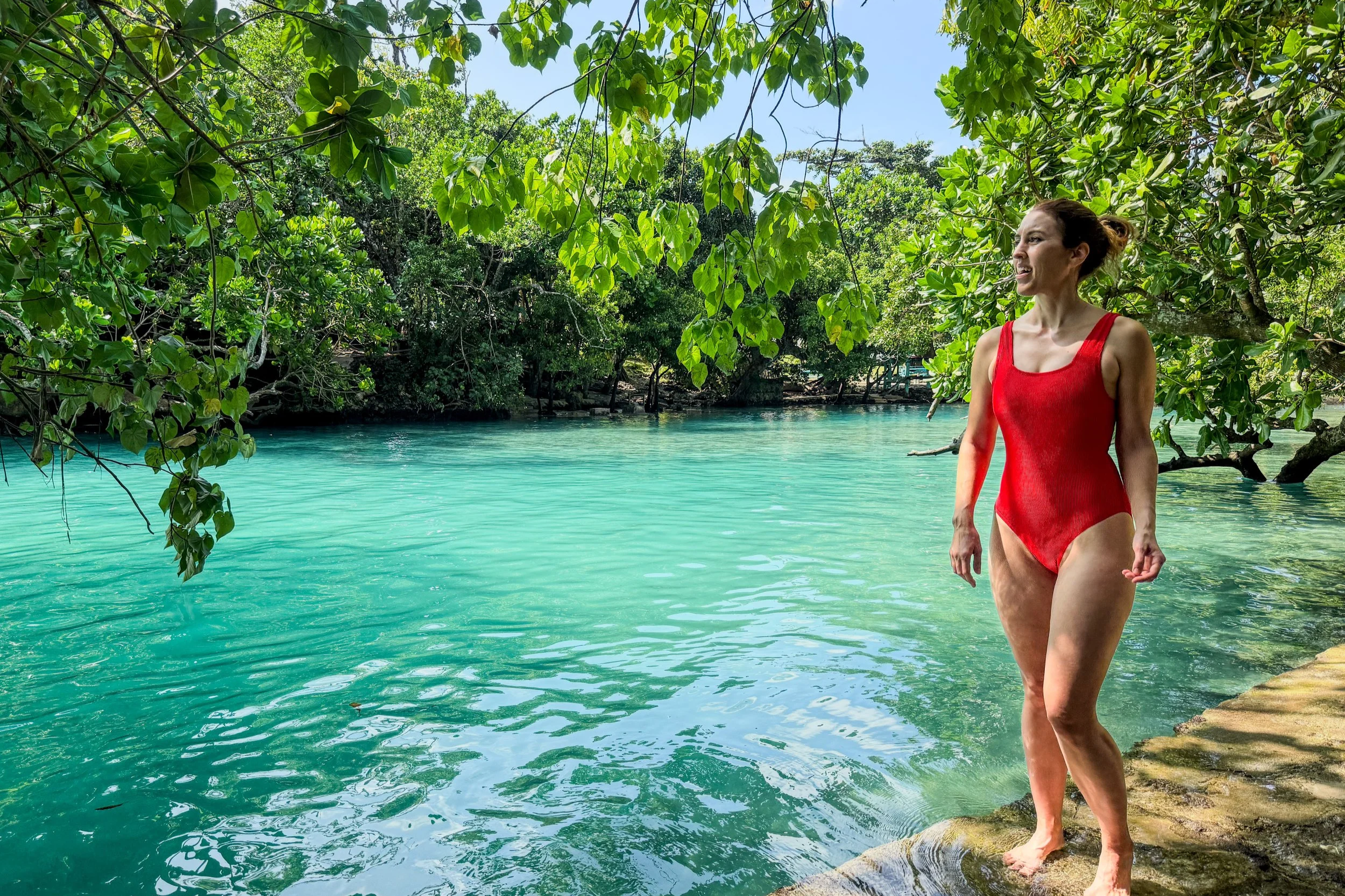
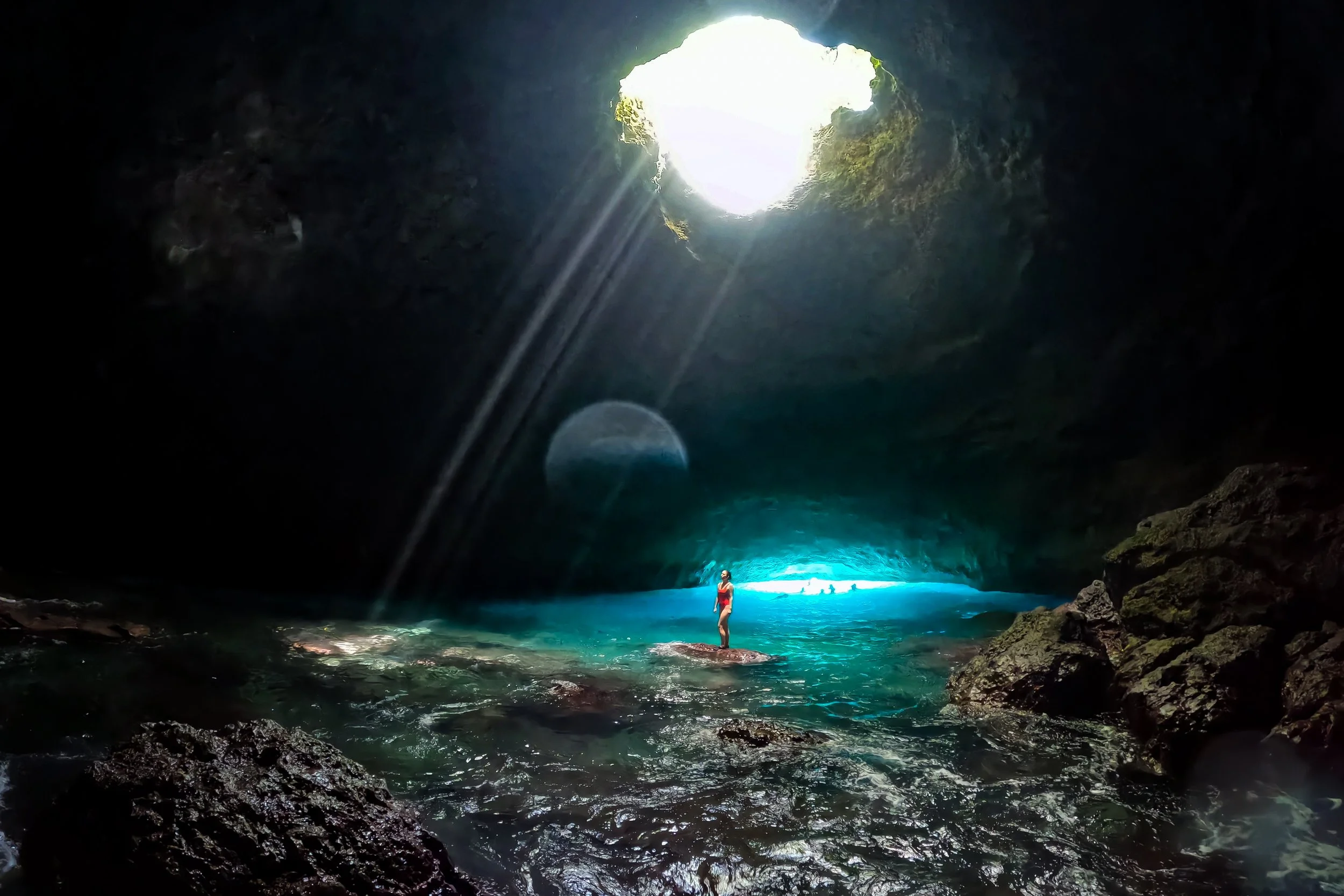
Blue Lagoon on Efate Island lives up to its name.
How to get to Vanuatu - and between islands
Getting there
Most travellers arrive via:
Brisbane
Sydney
Auckland
Christchurch
Most flights land in Port Vila, however you can now also fly directly from Brisbane to Santo. You can also fly to Port Vila from Fiji, Solomon Islands, and New Caledonia.
Getting between islands
Domestic flights are essential, and flexible expectations help.
Air Vanuatu operates inter-island routes. Schedules can change, delays happen, and patience is part of the experience. There is a fixed flight schedule with fixed rates. Baggage is limited to 10kg checked baggage, and 5kg carry on. You can usually travel with more by paying the excess baggage fees (which are very reasonable).
Tip: Avoid tight connections and allow buffer days when island hopping, as cancellations are common.
Getting Around in Vanuatu (On the Ground)
Transport in Vanuatu works differently to most destinations — and understanding this early makes everything easier.
Local Buses (Efate & Santo)
Minibuses with a “B” on the number plate
Flag them down
Busses are cheap - prices are not fixed, they depend on where you’re going and how many are on the bus
No schedules or set routes - they run when they run
This is the most local way to move around Port Vila and surrounds.
Hiring a Car (Efate & Santo)
Hiring a car gives you freedom, especially for waterfalls, beaches and blue lagoons.
Roads are sealed near Port Vila, but unsealed in some areas on Efate and Santo
Drive slowly - potholes, animals and pedestrians are common (locals jokingly refer to roads as “massaging roads”)
Fuel stations are limited outside towns
Taxis & Private Drivers
Taxis don’t use meters - agree on price first, and ask your accommodation what you should expect to pay
Private drivers are affordable and incredibly knowledgeable
Ideal for custom days or when you don’t want to self-drive
Transport on Tanna Island & outer islands
There is no self-drive or public transport on Tanna or the outer islands.
All transport is via tours or local drivers
Your accommodation can organise everything
Roads are rough, slow and dusty - allow time
This slower pace is exactly what makes Tanna special.
Where to stay in Vanuatu: resorts vs island stays
Vanuatu accommodation ranges from polished resorts to simple island lodges. Your choice shapes your entire experience here, more than in many destinations.
Resorts
Great for:
Comfort
Families
First nights adjusting
Island & local stays
Better for:
Cultural immersion
Slower travel
Supporting local communities
On Tanna, many stays are intentionally simple, and that’s part of the experience.
Top picks for Efate Island
Erakor Island Resort - personal, warm, incredible food, beautiful beach
Warwick Le Lagon - resort-style facilities on the lagoon
Iririki Island Resort & Spa - harbour views, laid back yet luxe
Top picks for Santo Island
Turtle Bay Lodge - relaxed, nature-focused, great snorkelling access
Aore Island Resort - barefoot island escape, peaceful, beautiful food
Barrier Beach Resort - luxury beachfront villas, serene, effortlessly indulgent
Top picks for Tanna Island
White Grass Ocean Resort - beachfront bungalows, epic sunsets, convenient location, dive centre, vegetarian friendly
Rockwater Resort - unique design, boutique, a touch of luxe
Tanna Lava View Bungalows - simple, rustic bungalows, views of Mount Yasur, close to volcano
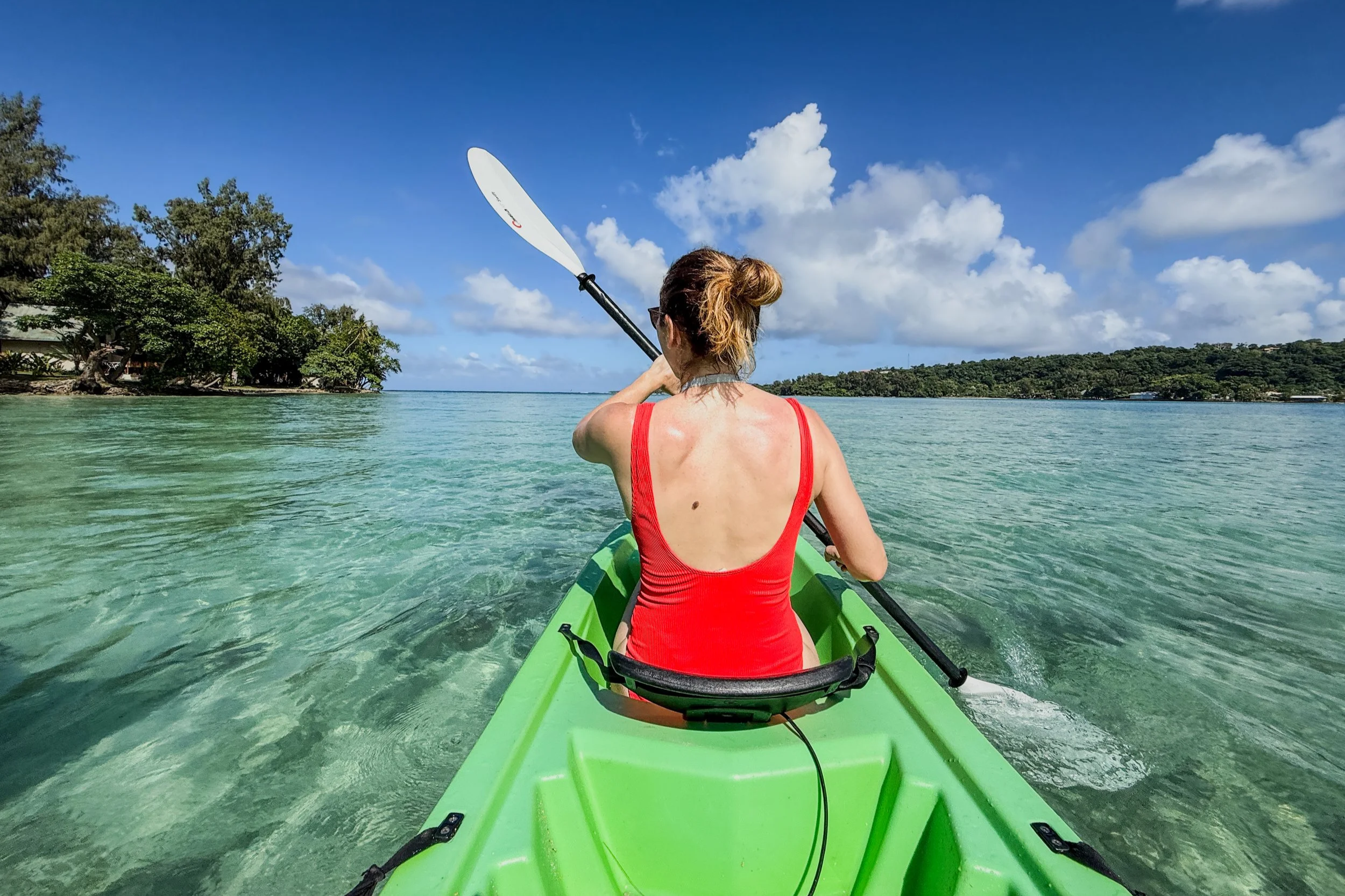
The beautiful clear water around Erakor Island.
Food, culture, kava & local customs
Food in Vanuatu is simple, fresh and seasonal.
Expect:
Fish, root vegetables, greens
French influences
Local chocolate and coffee (especially Tanna Coffee)
Most restaurants offer a range of cuisine that is not local to Vanuatu, such as pizza, pasta, and burgers. There is ample variery, and restaurant meals are often more expensive than travellers anticipate. Prices are comparable to what you’d expect to pay in Australia, NZ, USA, UK or Europe.
Kava culture
Kava is a ritual, but drinking kava is also part of daily live for many locals. The muddy water appearance and early taste are just part of the experience, along with the tingling sensations you’ll experience around your mouth.
Drunk traditionally by men (though anyone can drink it)
Relaxing, grounding, slightly numbing
Described as strong, compared to kava found in other countries such as Fiji
Respect matters more than enthusiasm here.
Kava bars can be found all over Vanuatu, and open near sunset. A simple light indicates the bar is open, and when the light goes off, the kava has run out.
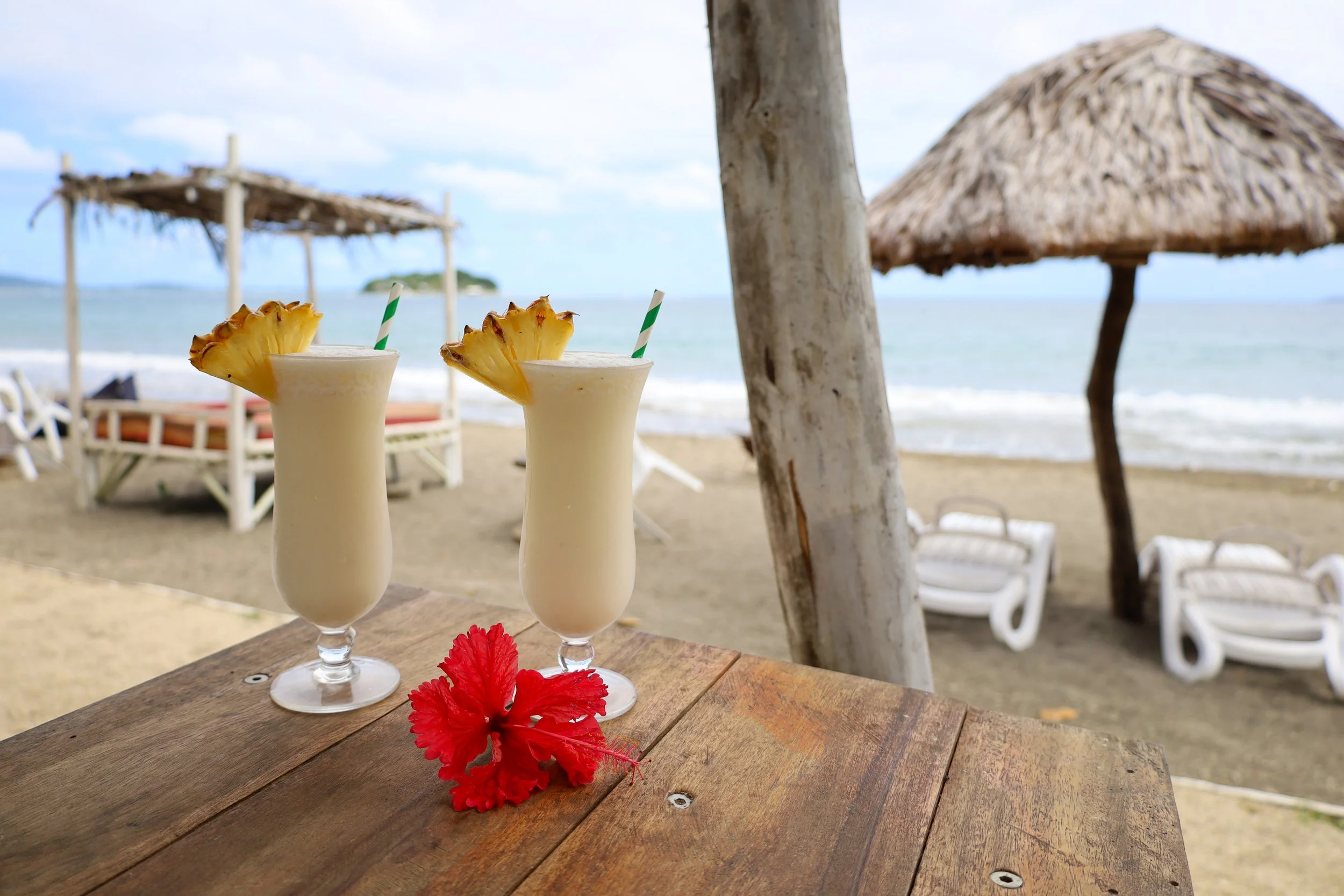
Mali Beach Club is a relaxing stop near Port Vila.
Is Vanuatu safe?
Yes, Vanuatu is considered very safe for travellers.
Things to know:
Low violent crime rates
Use normal precautions at night
Respect local customs and dress modestly in villages
People are friendly, curious and welcoming… especially when you show respect.
Costs & budgeting: what things really cost
Vanuatu isn’t cheap, but it’s also not outrageously expensive.
Budget considerations:
Domestic flights add up
Accommodation ranges from low price with great value, to expensive more luxurious resorts
Restaurant meals and drinks are on par with Australia, NZ, USA, UK and Europe prices
Tours and private drivers are reasonably priced
Saving tip: Hire cars + self-guided days balance out paid experiences nicely.
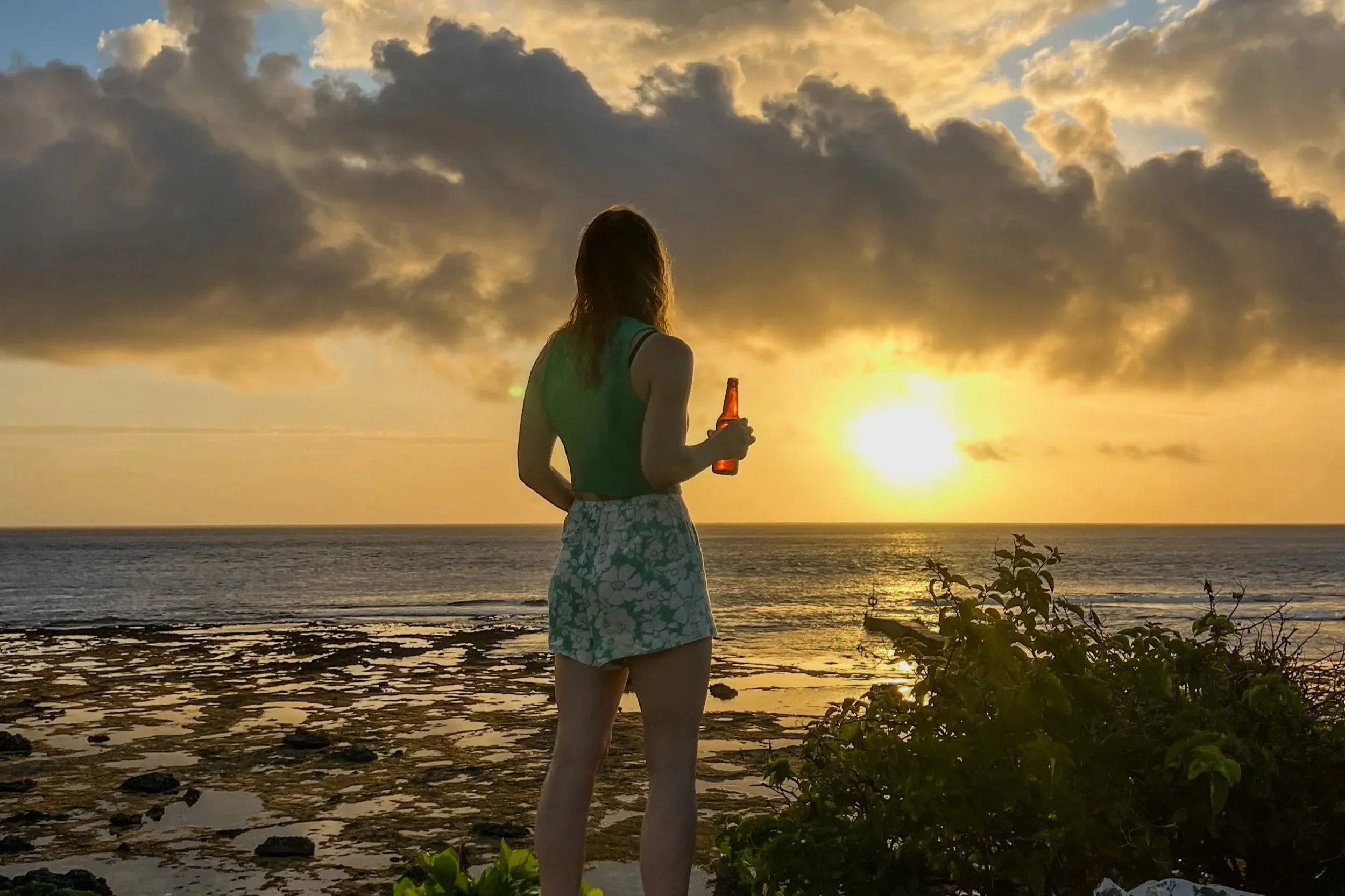
Is there anything better than a Tusker beer at sunset at White Grass Ocean Resort?
Essential Travel Tips for Vanuatu (Things I’m Glad I Knew)
Vanuatu rewards travellers who arrive prepared. Here are the things that genuinely matter once you’re on the ground:
Money & Payments
Cash is king outside resorts
ATMs exist in Port Vila but are unreliable on outer islands
Card surcharges are high (often 3-3.5%)
Exchange money at the airport - rates are often better than town
Traveller tip: Always carry small notes for buses, markets, entry fees and kava bars.
Internet, SIM Cards & Connectivity
Internet can be slow and patchy
Purchase a local SIM (Digicel or Vodafone) at the airport or in Port Vila
Coverage drops significantly outside towns and resorts
Traveller tip: Download offline Google Maps before you go.
Packing Essentials
Beyond the obvious, don’t forget:
Reef shoes (coral beaches, river rocks, Blue Holes)
Modest clothing for traditional villages (covered shoulders & knees)
Motion sickness tablets (domestic flights and boat rides can be rough)
Sun protection
GoPro or underwater camera
Compact spray jacket or rain coat
Weather & Flexibility
It’s normal for rain to be forecast every day
Rain doesn’t mean plans are cancelled, it means plans adjust
Domestic flights are weather-dependent
Buffer days are your best friend
Ethical travel & cultural respect
This matters in Vanuatu.
Always ask before taking photos
Dress modestly outside resorts
Support local guides and villages
Follow rules around sacred sites
Vanuatu doesn’t exist for tourism, and travellers who remember that have better experiences.
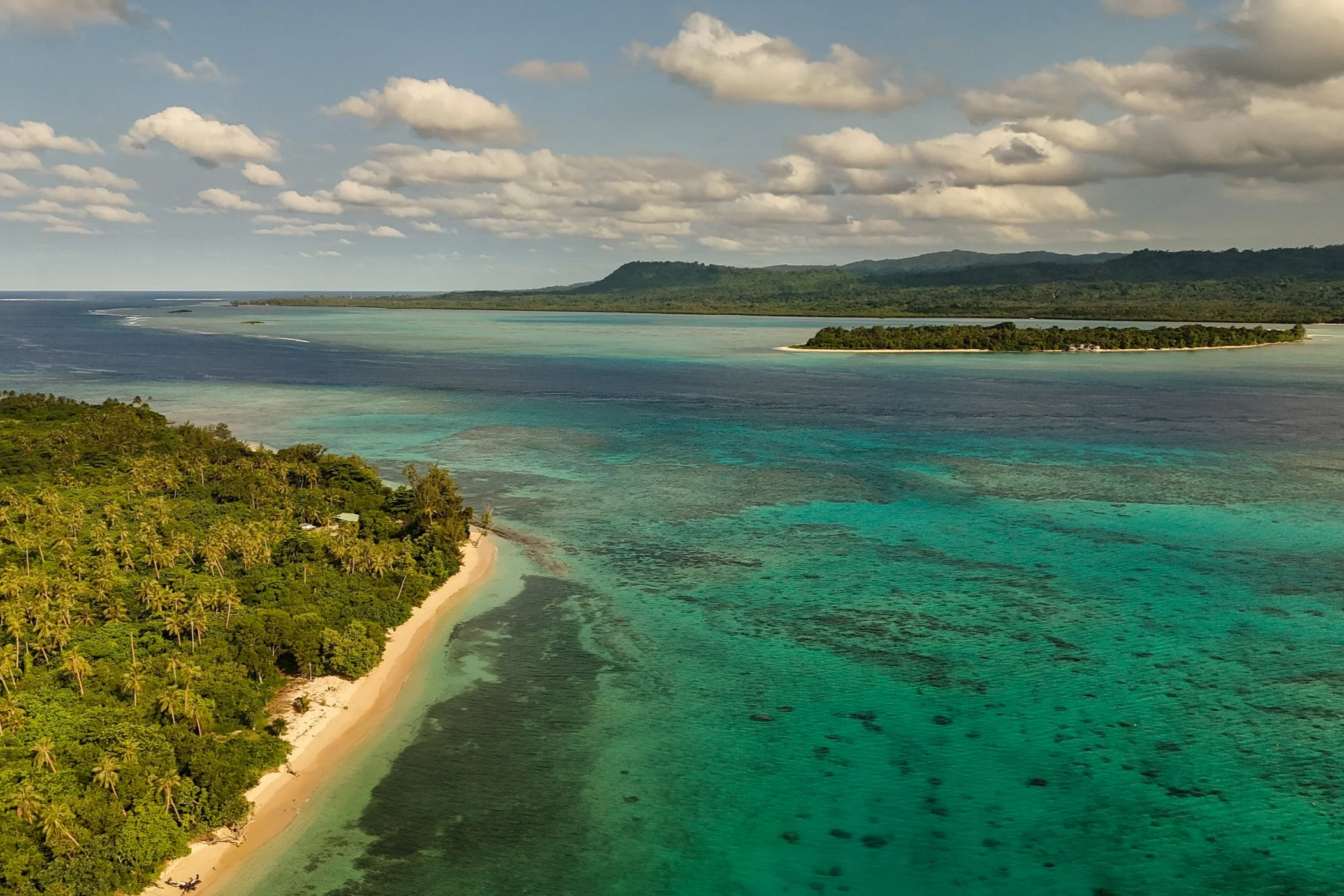
Vanuatu has some of the most beautiful beaches you’ll ever see.
Who Vanuatu is best for (and who it’s not)
Vanuatu is perfect for:
Curious, open-minded travellers
Adventure lovers
Couples, families and slow travellers
People craving something different
It may not be for:
Luxury-only travellers
Party-focused trips
People uncomfortable with unpredictability
And that’s okay… Vanuatu doesn’t try to be everything.
Should you go?
If you want travel that feels grounding, humbling and genuinely memorable, Vanuatu delivers in ways few places still do. Because the best trips aren’t always the easiest, they’re the ones that stay with you long after you get home.
Continue planning your trip with my Vanuatu guides:
Disclosure: This blog includes affiliate links. I will be paid a commission if you use these links to make a purchase.