Luxor Travel Guide: The Best Things to See and Do in Luxor, Egypt
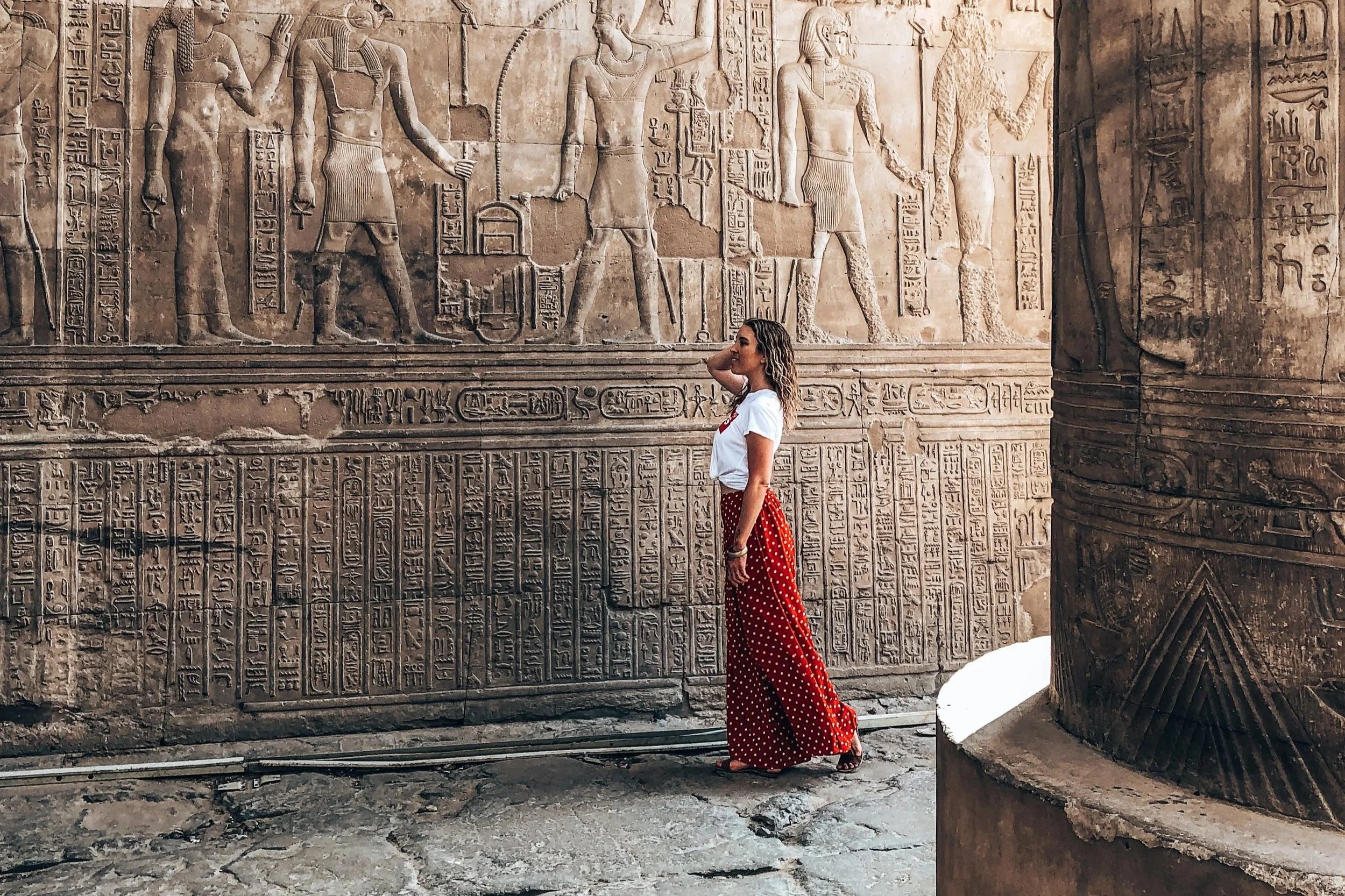
Soaking up the history at Karnak Temple.
While Cairo may be the key destination in Egypt, Luxor packs a punch when it comes to history and culture.
Here, you can spend the morning walking through the tombs of ancient pharaohs, the afternoon standing beneath a forest of enormous temple columns and the evening watching the sun set over the Nile. And somehow, that still doesn't feel like you've seen enough.
Luxor was one of the places in Egypt where I really started to understand just how much history is packed into this country. You aren't simply visiting one famous monument after another. You're moving through what was once ancient Thebes, one of the most important cities in the ancient Egyptian world.
I knew I was going to be impressed by the pyramids. Everyone does. But Luxor surprised me.
The sheer scale of Karnak Temple. The incredible colour still visible inside ancient tombs. The cliffs behind Hatshepsut's temple. The Nile dividing the modern city from the ancient burial grounds of the West Bank.
And then there are the smaller moments… crossing the river, watching everyday life along the Nile and realising that you're travelling through a landscape that has been important for thousands of years.
If you're planning a trip to Egypt, Luxor deserves at least two full days, and ideally three.
This Luxor travel guide covers the best things to see and do, how to plan your time, where to stay, how to get around, the East Bank vs West Bank, and the practical things I wish I'd known before visiting.
Luxor at a Glance
Best for: Ancient history, temples, tombs, photography, Nile experiences and Egyptian culture
How long to stay: 2-3 days
Best time to visit: The cooler months are generally more comfortable for sightseeing
Main areas: East Bank and West Bank
Don't miss: Karnak Temple, Luxor Temple, Valley of the Kings, Hatshepsut Temple and a Nile experience
Best experience beyond the major sites: Explore the West Bank beyond the Valley of the Kings, or spend time sailing the Nile
Getting around: Guided tours, private drivers, taxis, bicycles and boats are all options depending on your itinerary
Why Visit Luxor?
Luxor is often described as the world's greatest open-air museum. It isn't difficult to understand why.
The modern city sits on either side of the Nile, with the East Bank and West Bank offering completely different experiences.
The East Bank is where you'll find major temples including Karnak Temple and Luxor Temple, along with the city's restaurants, hotels and everyday life.
The West Bank is where you'll find many of Luxor's most famous ancient burial sites and mortuary temples, including the Valley of the Kings and Temple of Hatshepsut.
The wider archaeological area of ancient Thebes and its necropolis is UNESCO-listed and includes an extraordinary collection of temples, tombs and monuments. And unlike some destinations where ancient sites are spread across a huge region, Luxor gives you the opportunity to experience a remarkable concentration of them in just a few days.
That's what makes it such an important stop on an Egypt itinerary.
East Bank vs West Bank: What's the Difference?
One of the first things to understand when planning Luxor is that the city is effectively split into two very different sides of the Nile.
East Bank
The East Bank is where ancient Thebes was centred and where you'll find:
Karnak Temple
Luxor Temple
Luxor Museum
Sphinx Avenue
restaurants and cafes
most of the city's accommodation and services
It's the more convenient base if you want to be close to restaurants and nightlife.
West Bank
The West Bank is quieter and much more focused on ancient burial grounds and archaeological sites.
This is where you'll find:
Valley of the Kings
Valley of the Queens
Temple of Hatshepsut
Medinet Habu
Ramesseum
Colossi of Memnon
Deir el-Medina
The West Bank can feel much more relaxed than central Luxor.
Which side should you stay on?
For a first visit, I'd choose based on how you want to travel.
Stay on the East Bank if:
it's your first visit
you want restaurants and shops nearby
you're taking a Nile cruise
you prefer convenience
Stay on the West Bank if:
you want a quieter atmosphere
you're staying several nights
you're happy travelling for dinner
you want to be closer to the archaeological sites
There isn't really a wrong answer.
The Best Things to Do in Luxor
1. Explore Karnak Temple
If you only have time for a couple of major sites in Luxor, Karnak should be one of them.
And don't make the mistake of thinking Karnak is simply one temple. It's a vast temple complex that developed over centuries, with multiple temples, chapels, monuments and sacred spaces. The most famous section is the Great Hypostyle Hall. Walking into it is one of those moments where photographs really don't prepare you for the scale. There are 134 enormous columns in the hall, with the central columns reaching around 21 metres high.
But what struck me most wasn't just the size. It was the thought that generation after generation of ancient Egyptians contributed to this enormous religious complex. You can spend hours here.
What to look for at Karnak
Don't just walk around looking at the biggest columns.
Look closely at:
hieroglyphics
reliefs
statues
obelisks
the sacred lake
the processional areas
the Great Hypostyle Hall
This is where having an Egyptologist or knowledgeable guide can completely change the experience. Without context, you're looking at incredible ancient architecture. With context, you start understanding what you're actually looking at.
Karnak's history stretches across many periods, and the complex was continually developed by successive rulers. The Ministry of Tourism and Antiquities describes it as a complex of temples and chapels, with the Great Temple of Amun at its centre.
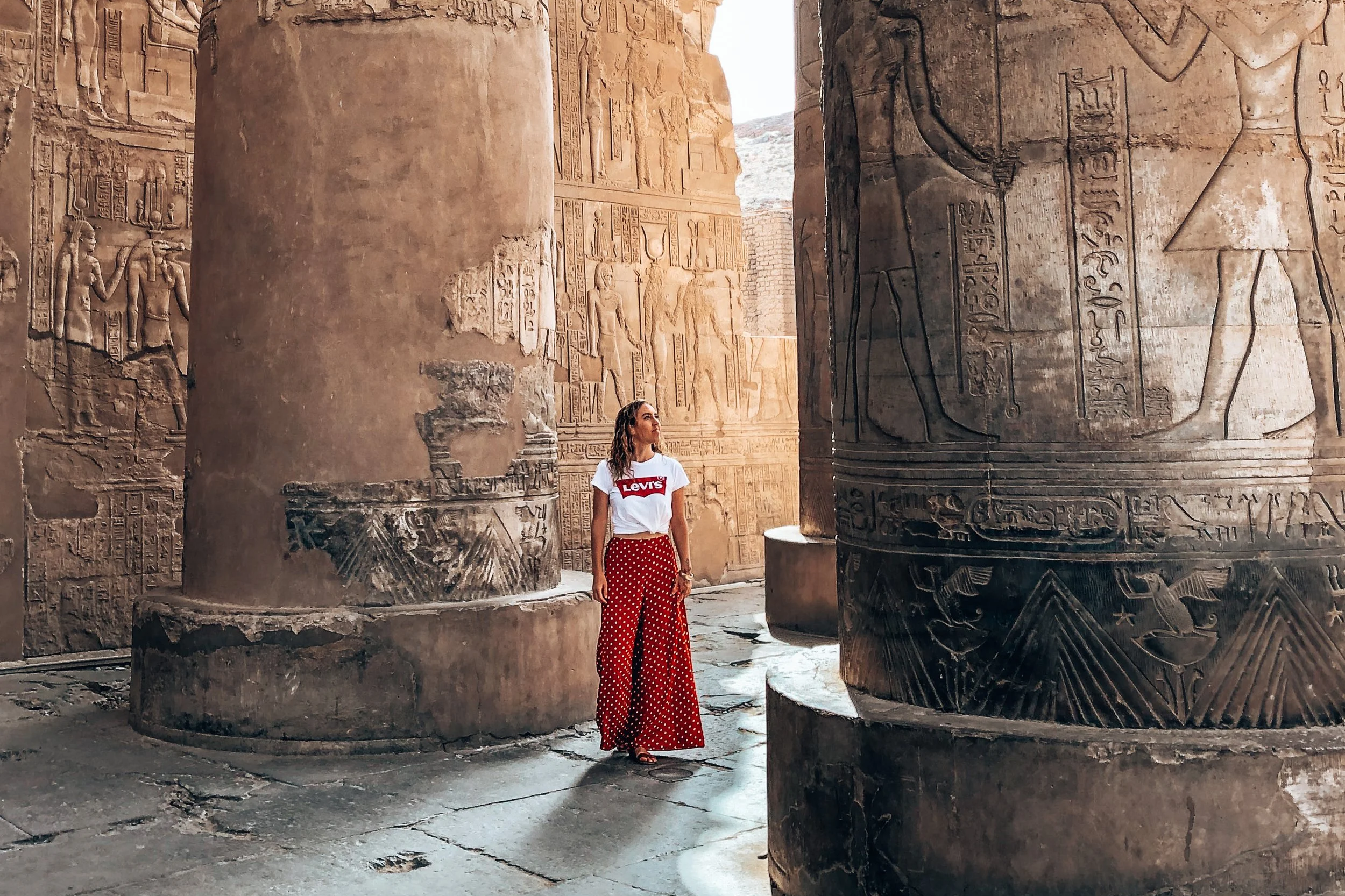
Thy Great Hypostyle Hall at Karnak Temple is one of the most photographed in Egypt.
2. Visit Luxor Temple
If Karnak is enormous, Luxor Temple feels more intimate. It's also particularly atmospheric later in the day.
Luxor Temple sits roughly three kilometres south of Karnak and was historically connected to it by a processional avenue lined with sphinxes. The relationship between the two sites is one of the things that makes visiting them together worthwhile.
You start to understand that these weren't isolated monuments. They were part of a much larger landscape.
Luxor Temple was associated with the ancient Opet Festival, when the sacred images of Amun, Mut and Khonsu were carried in procession from Karnak to Luxor Temple.
Why I recommend visiting in the evening
If your itinerary allows, save Luxor Temple for later in the day. The changing light and illuminated temple can create a completely different atmosphere from a hot, bright morning visit. And if you've spent the day exploring tombs and temples, an evening visit can feel like a much gentler way to finish the day.
3. Walk Along Sphinx Avenue
Sphinx Avenue once connected Karnak and Luxor Temple as a ceremonial processional route. Today, sections of the ancient avenue can be explored as part of your Luxor experience. It's an easy addition if you're already visiting Luxor Temple.
Rather than thinking of it as another attraction you need to squeeze into the itinerary, think of it as part of the bigger story of ancient Thebes.
4. Explore the Valley of the Kings
This was one of the places I had been looking forward to most… and it didn't disappoint.
The Valley of the Kings sits on Luxor's West Bank and was used as a burial ground for rulers of Egypt's New Kingdom. There are more than 60 known tombs and additional unfinished tombs in the valley.
The fascinating thing is that these aren't simply empty underground rooms. Many contain incredible painted scenes, hieroglyphics and decoration. And some of the colour is remarkably well preserved. Standing inside a tomb and looking at artwork created thousands of years ago is difficult to describe without sounding dramatic. It genuinely feels surreal.
Don't assume Tutankhamun's tomb is the best
Tutankhamun is obviously the most famous name associated with the Valley of the Kings. His tomb is important, but don't make the mistake of assuming it's automatically the most impressive tomb you'll see.
Different tombs offer different experiences. Some are larger. Some have incredible ceilings. Some have particularly detailed decoration. And some simply have a story that captures your attention.
Give yourself time
Your ticket arrangements determine which tombs you can enter, and some famous tombs can require an additional ticket. Check the current ticketing arrangements before your visit.
My biggest Valley of the Kings tip
Get there early. You're going to be outside in the heat, walking between sites and climbing into underground tombs. An early start makes a huge difference.
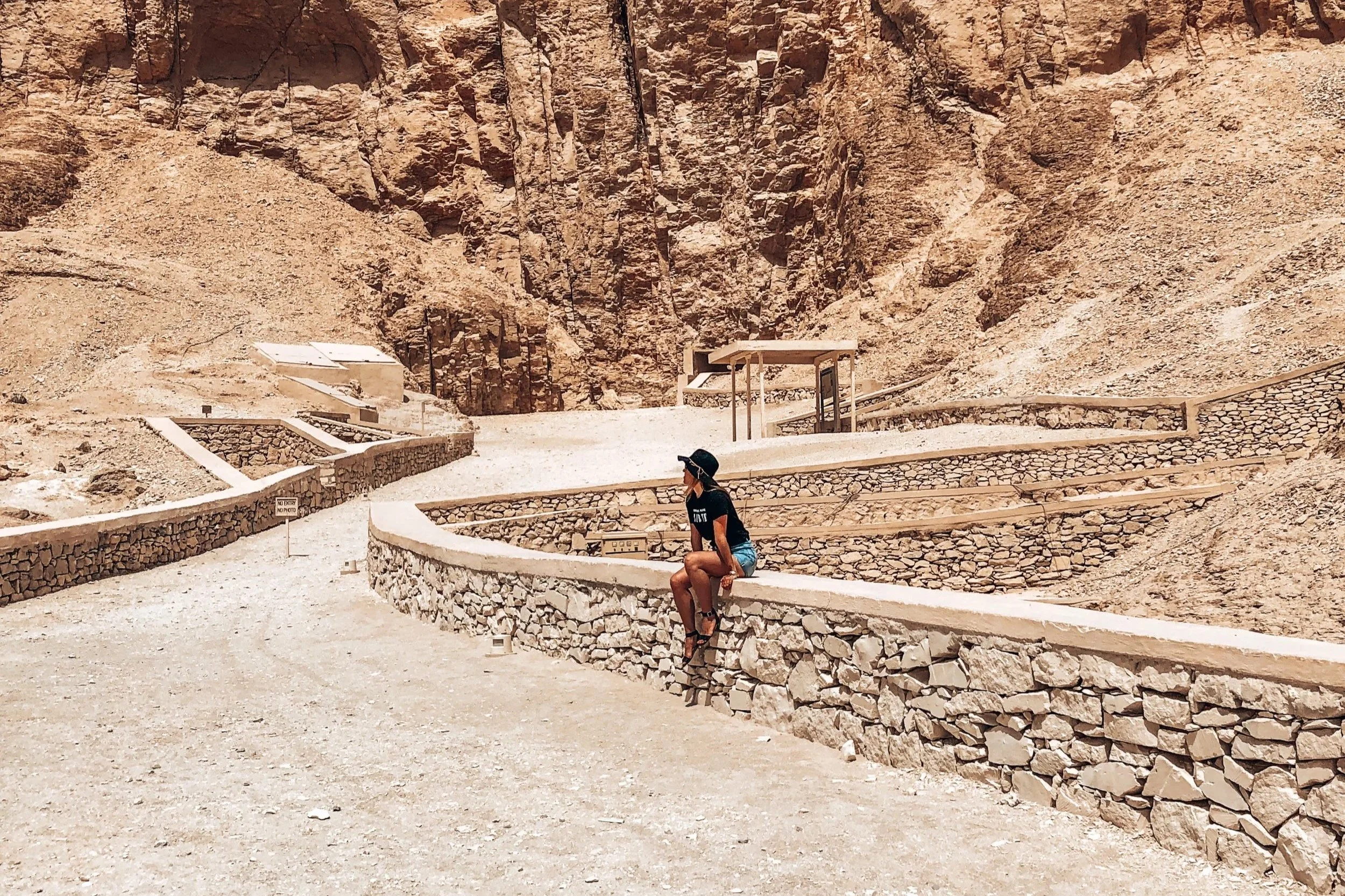
The Valley of the Kings is fascinating. It may not look like much on the outside, but the tombs are quite spectacular.
5. Visit Hatshepsut Temple
The Temple of Hatshepsut at Deir el-Bahari is visually striking.
The temple rises in three terraces against the cliffs of the West Bank. The contrast between the pale stone, enormous cliffs and bright blue Egyptian sky makes it one of the most photogenic sites in the country.
But there's more to it than the architecture. Hatshepsut is one of ancient Egypt's most fascinating rulers. She became pharaoh and commissioned this enormous mortuary temple, which contains reliefs depicting religious ceremonies as well as her famous expedition to Punt.
The Ministry of Tourism and Antiquities notes that the temple's three terraces rise towards the cliffs, with reliefs depicting religious rituals and the expedition to Punt.
Photography tip
The temple looks impressive from the approach. Don't just take one photo and walk straight in. Stop halfway up and turn around. The view back across the valley is worth it.
6. See the Colossi of Memnon
The Colossi of Memnon are two enormous seated statues that have stood on Luxor's West Bank for thousands of years. They're easy to add to a West Bank itinerary because you don't need to spend hours here. If you're visiting the Valley of the Kings and Hatshepsut Temple, this is a natural stop along the way. It's also one of those places where scale doesn't translate particularly well in photographs.
7. Explore Medinet Habu
If you want to get beyond the most obvious Luxor attractions, add Medinet Habu to your itinerary. This is the mortuary temple of Ramesses III and is known for its impressive reliefs and relatively well-preserved decoration. It's one of the places I'd recommend to travellers who have an extra half-day in Luxor.
The official Egyptian tourism information also highlights Medinet Habu as one of the major monuments on the West Bank, describing its wall carvings as particularly well preserved.
Why visit?
Because Luxor is full of famous sites. And once you've seen the Valley of the Kings and Karnak, it's easy to feel like you've already seen the main event. Medinet Habu proves there's still plenty more to discover.
8. Visit the Valley of the Queens
Most first-time visitors head straight to the Valley of the Kings. But if you're fascinated by ancient Egyptian tombs, don't overlook the Valley of the Queens.
This was another important burial area and includes the famous tomb of Queen Nefertari, which is renowned for its colourful decoration. Access to individual tombs can change and some require additional tickets, so check the current arrangements before you go.
If you love photography...
This is one I'd put high on your list. The painted interiors can be spectacular.
9. Explore Deir el-Medina
One of my favourite ways to understand ancient history is to look beyond the pharaohs. Deir el-Medina gives you the chance to do exactly that.
This was the settlement associated with the skilled workers who built and decorated royal tombs. Instead of simply seeing the finished tombs, you're getting a glimpse into the people and community behind them. It's a fascinating addition for anyone who wants to understand what life was like beyond the royal family.
10. Visit the Ramesseum
The Ramesseum was the mortuary temple of Ramesses II. It may not have the same immediate impact as Karnak or Luxor Temple, but that's exactly why I think it's worth considering if you have more than two days. The ruins provide another piece of the enormous puzzle that makes up ancient Thebes.
11. Visit Luxor Museum
After several days of temples and tombs, you might think you've had enough ancient Egypt. But the Luxor Museum is worth adding.
It's smaller and more manageable than some of Egypt's huge museums, which makes it particularly useful after you've already seen the archaeological sites. Seeing selected artefacts in a museum setting can also help connect the dots between what you've seen across the West Bank and East Bank.
12. Take a Hot Air Balloon Ride Over Luxor
If you're looking for something different, a hot air balloon ride at sunrise is one of Luxor's most famous experiences.
The West Bank is particularly spectacular from above, with the Nile, farmland, desert and archaeological sites creating a completely different perspective. It is an early start. Very early. But if you're already a morning person on holiday, this could be one of your best photography opportunities.
Before booking
Choose an established operator and check:
weather cancellation policies
transport arrangements
safety procedures
insurance
maximum passenger numbers
what happens if the flight is cancelled
The official Experience Egypt tourism site specifically highlights a Luxor hot-air-balloon sunrise as one of the city's experiences.
13. Sail the Nile by Felucca
This is the experience I would add if you want your Luxor trip to feel less like a series of archaeological sites.
A felucca is a traditional Egyptian sailing boat, and spending time on the Nile gives you an entirely different perspective on Luxor.
I actually spent a few nights on a felucca during my Egypt trip. We swapped a luxury hotel for mattresses on the open deck, sailed between villages and watched the sun disappear over the river. There were no five-star facilities. There didn't need to be.
There was something about being on the Nile, watching local life move along the river and sleeping beneath the stars that made the experience feel much more connected to the country.
Read my full story: Sailing the Nile on a Felucca: My Unforgettable Egypt Adventure
Felucca vs Nile cruise
If you're deciding between the two:
Choose a Nile cruise if you want:
more comfort
private cabins
organised sightseeing
more facilities
Choose a felucca if you want:
adventure
simplicity
a more traditional experience
time on the river
something you'll probably talk about for years afterwards
You can also combine the two.
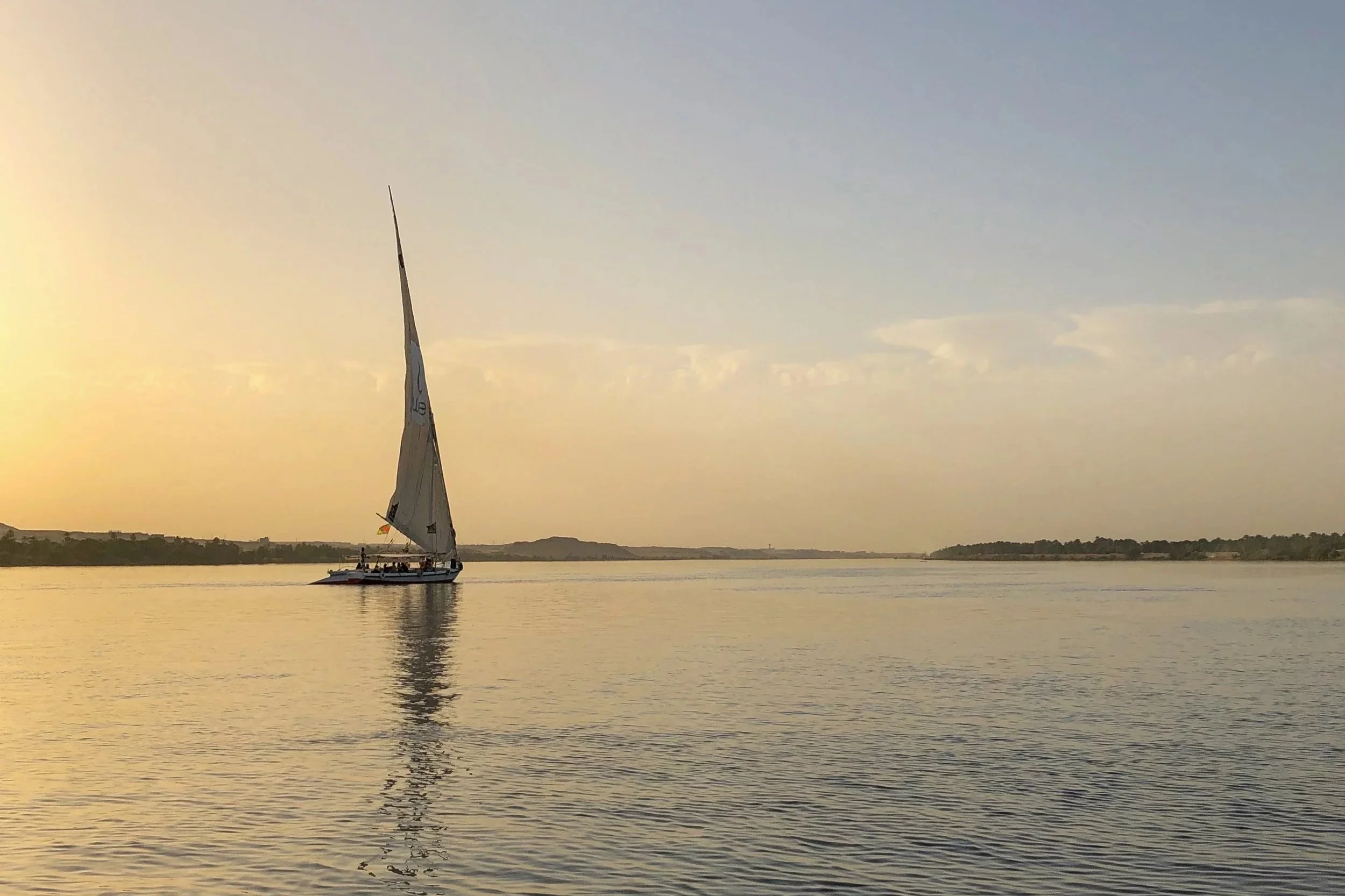
One of my favourite experiences in Egypt was sailing the Nile river on a traditional felucca.
14. Cross the Nile
Don't underestimate how much the Nile itself adds to a Luxor trip. Crossing between the East and West Banks by boat gives you a completely different perspective of the city.
You'll see farmland, river traffic, feluccas, hotels and everyday life unfolding along the water. The journey doesn't have to be an attraction. Sometimes it's simply part of travelling. And that's one of my favourite things about Egypt.
15. Watch the Sunset Over the Nile
After spending the day exploring tombs and temples, find somewhere overlooking the Nile and slow down. Luxor has plenty of rooftop restaurants and cafes where you can watch the light change over the river. You don't need an elaborate experience. Sometimes sitting down with a drink and watching the boats move across the Nile is exactly what you need after a day of ancient history.
How Many Days Do You Need in Luxor?
1 Day in Luxor
If you only have one day, focus on:
Morning: Valley of the Kings + Hatshepsut Temple
Afternoon: Karnak Temple
Evening: Luxor Temple
It's a big day. But you'll see the major highlights.
2 Days in Luxor
Two days is much better.
Day 1
Karnak Temple
Luxor Temple
Sphinx Avenue
Nile sunset
Day 2
Valley of the Kings
Hatshepsut Temple
Colossi of Memnon
Medinet Habu
Deir el-Medina or Valley of the Queens
This is the minimum amount of time I'd recommend for a first visit if your itinerary allows it.
3 Days in Luxor
Three days gives you room to breathe.
You could add:
hot air balloon
Luxor Museum
Ramesseum
Valley of the Queens
Deir el-Medina
felucca trip
more time exploring the West Bank
And importantly, you don't have to start every morning at dawn. That's a win.
Suggested 3 Day Luxor Itinerary
If I were planning a Luxor trip from scratch, this is how I'd structure it.
Day 1: East Bank
Morning
Karnak Temple
Afternoon
Lunch
Rest during the hottest part of the day
Late afternoon
Luxor Temple
Sphinx Avenue
Evening
Dinner overlooking the Nile
Day 2: West Bank
Early morning
Valley of the Kings
Late morning
Temple of Hatshepsut
Midday
Colossi of Memnon
Afternoon
Medinet Habu
Deir el-Medina
Evening
Relaxed dinner
Day 3: Slow Luxor
Choose your own adventure.
Option 1: Hot air balloon + Valley of the Queens
Option 2: Luxor Museum + felucca
Option 3: Ramesseum + lesser-visited West Bank sites
Option 4: Do absolutely nothing for a few hours and sit beside the Nile.
After two full days of temples, tombs and ancient history, you may appreciate option four more than you expect.
Where to Stay in Luxor
East Bank
The East Bank is the easiest choice for many first-time visitors.
You'll be closer to:
Luxor Temple
Karnak
restaurants
shops
transport
Nile cruise departure points
If you're only staying one or two nights, convenience is a big advantage.
West Bank
The West Bank offers a quieter experience.
It's a good choice if you:
want to escape the busier city
prefer a slower pace
are staying several nights
want easy access to archaeological sites
like smaller guesthouses and boutique stays
My tip
Don't choose your hotel based solely on the view. Look at the map. A beautiful hotel can become less appealing if you're spending ages travelling back and forth across the river every day.
How to Get Around Luxor
You have several options.
Private driver
This is one of the easiest ways to explore the West Bank. You can organise a driver for the day and visit several sites in a logical order.
Guided tour
For a first visit, a guide can add enormous value. This is especially true at Karnak, Luxor Temple and the Valley of the Kings.
Taxi
Taxis are available, but agree on the price and destination before getting in.
Bicycle
Cycling can be a great way to explore the quieter West Bank if you're comfortable with the heat and traffic. Just remember that Luxor can be extremely hot, particularly outside the cooler months.
Boat
Crossing the Nile by boat is one of the most enjoyable ways to move between the two sides.
Do You Need a Guide in Luxor?
You can absolutely visit Luxor independently. But I'd strongly consider hiring a qualified Egyptologist guide, particularly for your first visit.
Otherwise, it's easy to look at a wall covered in hieroglyphics and think… "This is amazing." Which it is. But understanding what you're looking at makes it so much better.
A good guide can explain:
Egyptian gods
pharaohs
burial practices
hieroglyphics
temple architecture
ancient rituals
the stories behind the reliefs
Suddenly the wall isn't just covered in pictures. It's telling you something.
Best Time to Visit Luxor
The cooler months are generally the most comfortable for exploring Luxor. This matters because so much of your trip is outdoors. You're walking through enormous temple complexes, climbing steps, crossing open archaeological sites and spending time in the desert landscape around the Valley of the Kings.
If you visit during hotter months
Plan around the heat.
That means:
start early
carry water
wear breathable clothing
use sunscreen
take breaks
avoid assuming you can comfortably walk around for six hours in the middle of the day
Don't underestimate the Egyptian sun.
What to Wear in Luxor
Egypt is a predominantly Muslim country, and modest clothing is the safest approach when you're visiting religious and cultural sites.
For Luxor, I'd pack:
lightweight trousers
loose shirts
breathable dresses
comfortable walking shoes
a lightweight scarf
hat
sunglasses
sunscreen
You don't need to dress head-to-toe in heavy clothing. The goal is comfortable, breathable and respectful.
What to Pack for Luxor
For a few days in Luxor, I'd prioritise:
comfortable walking shoes
reusable water bottle
sunscreen
hat
sunglasses
lightweight day bag
power bank
portable charger
tissues
hand sanitiser
small amount of cash
lightweight scarf
modest clothing
camera or phone
spare battery if you're taking lots of photos
And if you're doing a felucca… Pack light. Dragging a huge suitcase onto a traditional sailing boat isn't exactly the travel experience you're looking for.
Photography Tips for Luxor
Luxor is one of those destinations where you'll probably fill your phone before you leave. But there are a few things worth knowing.
Go early for the best light
Morning light can be beautiful and you'll generally have more comfortable temperatures.
Look up
Some of the most incredible details are above eye level.
Look at:
ceilings
columns
temple roofs
painted tomb ceilings
Photograph details, not just monuments
Instead of taking 20 photos of the same temple entrance, look for:
hieroglyphics
faded paint
carved faces
hands
animals
architectural details
light falling through doorways
Check photography rules
Photography rules can differ between sites and may change. Some locations restrict flash photography or photography altogether in certain areas. Always follow the current rules and ask before photographing people.
Food in Luxor
You'll find everything from local Egyptian restaurants to hotel restaurants and tourist-oriented cafes.
Some Egyptian foods worth trying include:
taameya
ful
koshari
falafel
grilled vegetables
rice dishes
fresh juices
If you're vegetarian or vegan, Egyptian cuisine can offer some useful options, but always check ingredients and ask about stock, ghee and other animal products if that matters to you.
And keep some flexibility in your itinerary. One of the best parts of travelling is occasionally abandoning the schedule because you find somewhere interesting to eat.
Is Luxor Safe?
Safety is one of the questions I get asked most about Egypt. My own experience in Egypt was more complicated than simply saying "yes" or "no".
I travelled with a group partly because I wanted the additional support, and there were situations during the trip where I felt more comfortable having local guides and organised transport. That doesn't mean every traveller will have the same experience. It does mean I'd recommend doing your research before travelling and understanding the local environment rather than arriving completely unprepared.
Read next: 20 Things I Wish I Knew Before Visiting Egypt
That post goes into much more detail about the things that surprised me, including safety, getting around, security, dress, photography, hassling and other practical realities of travelling through Egypt.
How to Avoid the Biggest Luxor Travel Mistake
The biggest mistake I see people make when planning Egypt is trying to fit too much into too little time. Luxor alone could keep you busy for days. Then there is Cairo, Aswan, Abu Simbel, the Red Sea, Alexandria, Siwa, and the desert. You cannot see everything. So don't try. Instead, decide what kind of Egypt experience you want.
If you're obsessed with ancient history
Spend more time in Luxor.
If you want adventure
Add a felucca.
If you love photography
Prioritise early starts and the West Bank.
If you want culture
Spend time away from the major monuments and meet local people respectfully.
If you're short on annual leave
Stick to the major highlights and accept that you'll have to save some destinations for another trip. That's not a failure. It's a reason to come back.
How to Add Luxor to a 7 Day Egypt Itinerary
If you only have seven days in Egypt, I'd allocate at least two days to Luxor.
A simple route could be:
Day 1: Cairo + Giza
Day 2: Cairo + fly to Luxor
Day 3: Luxor East Bank
Day 4: Luxor West Bank
Day 5: Edfu + Kom Ombo + Aswan
Day 6: Aswan + Philae + Nubian village
Day 7: Abu Simbel + Cairo
How Long Should You Spend in Luxor?
If you can, give Luxor three days. Two days is enough for the highlights. Three days lets you slow down and add some of the sites that get overlooked. And if you have four or five days? Even better.
You can use Luxor as a base and explore more of the surrounding archaeological sites without feeling like you're constantly racing to the next attraction.
The Best Luxor Experiences Beyond the Bucket List
If you've already ticked off Karnak, Luxor Temple and the Valley of the Kings, don't assume you've finished Luxor.
Try:
a sunrise hot air balloon
a felucca ride
the Valley of the Queens
Medinet Habu
Deir el-Medina
Luxor Museum
a West Bank bicycle ride
a rooftop dinner overlooking the Nile
watching sunset from the river
exploring the local souq
The official Egyptian tourism site also highlights several of these lesser-known or alternative experiences, including hot-air ballooning, rooftop dining, Sphinx Avenue, the tomb of Ramesses VI and Queen Nefertari's tomb.
Frequently Asked Questions About Luxor
Is Luxor worth visiting?
Absolutely, particularly if ancient Egyptian history is one of the reasons you're travelling to Egypt. Luxor is home to an extraordinary concentration of temples, tombs and archaeological sites.
How many days do you need in Luxor?
I'd recommend two to three days for a first visit. Two days covers the major highlights, while three gives you time for less-visited sites and experiences.
Is Luxor better than Cairo?
They're completely different experiences. Cairo is a huge modern city with Giza, museums and historic neighbourhoods, while Luxor is much more focused on ancient Thebes and its temples and tombs.
Rather than choosing between them, I'd include both if you're visiting Egypt for the first time.
Can you visit Luxor without a tour?
Yes. Luxor can be explored independently, but a guide can add significant historical context and organised transport can make the West Bank much easier to navigate.
Is two days enough in Luxor?
Yes, if you're focused. You can see Karnak, Luxor Temple, the Valley of the Kings, Hatshepsut Temple and several other sites in two full days.
What is the best thing to do in Luxor?
For first-time visitors, the essential experiences are Karnak Temple, Luxor Temple, the Valley of the Kings and Hatshepsut Temple. I'd also add a Nile experience if your itinerary allows.
Is Luxor expensive?
Luxor can be visited on a range of budgets. Your biggest costs will depend on accommodation, guides, private transport, entrance fees and optional experiences.
Can you walk around Luxor?
You can walk around parts of the East Bank, but the major archaeological sites on the West Bank are spread out. For those, you'll generally want organised transport, a driver, taxi or tour.
Final Thoughts on Visiting Luxor
Before visiting Egypt, I thought the pyramids would be the moment that stayed with me most. And they were incredible, but Luxor gave me something different.
It wasn't one monument… it was the accumulation of everything. The enormous columns at Karnak, the tombs hidden beneath the desert, the stories on the temple walls, the cliffs surrounding Hatshepsut's temple, the Nile, and the realisation that all of this existed thousands of years before the world I know today.
That's what makes Luxor so special. You don't just visit one ancient wonder. You spend a few days walking through an entire chapter of human history.
And if you're travelling all the way to Egypt, I'd give yourself enough time to actually experience it. Don't race through Luxor just so you can say you've been. Slow down, look at the walls, listen to the stories, get out on the Nile, and give yourself a moment to take it all in.
Because this is one destination where the history is so enormous that sometimes the best thing you can do is simply stand there and look.
More Egypt Travel Guides
Planning an Egypt trip? Continue exploring my Egypt guides:
25 Best Things to See and Do in Egypt
The best things to see and do in Egypt… including iconic landmarks, unforgettable experiences and a few hidden gems worth adding to your itinerary.
20 Things I Wish I Knew Before Visiting Egypt
The practical things I wish I'd known before my first trip, including safety, dress, photography, transport and dealing with tourist sites.
Sailing the Nile on a Felucca: My Unforgettable Egypt Adventure
What it's actually like to swap a hotel for a traditional felucca and spend the night sailing the Nile.