Is Jordan Safe to Visit? What Travellers Actually Need to Know
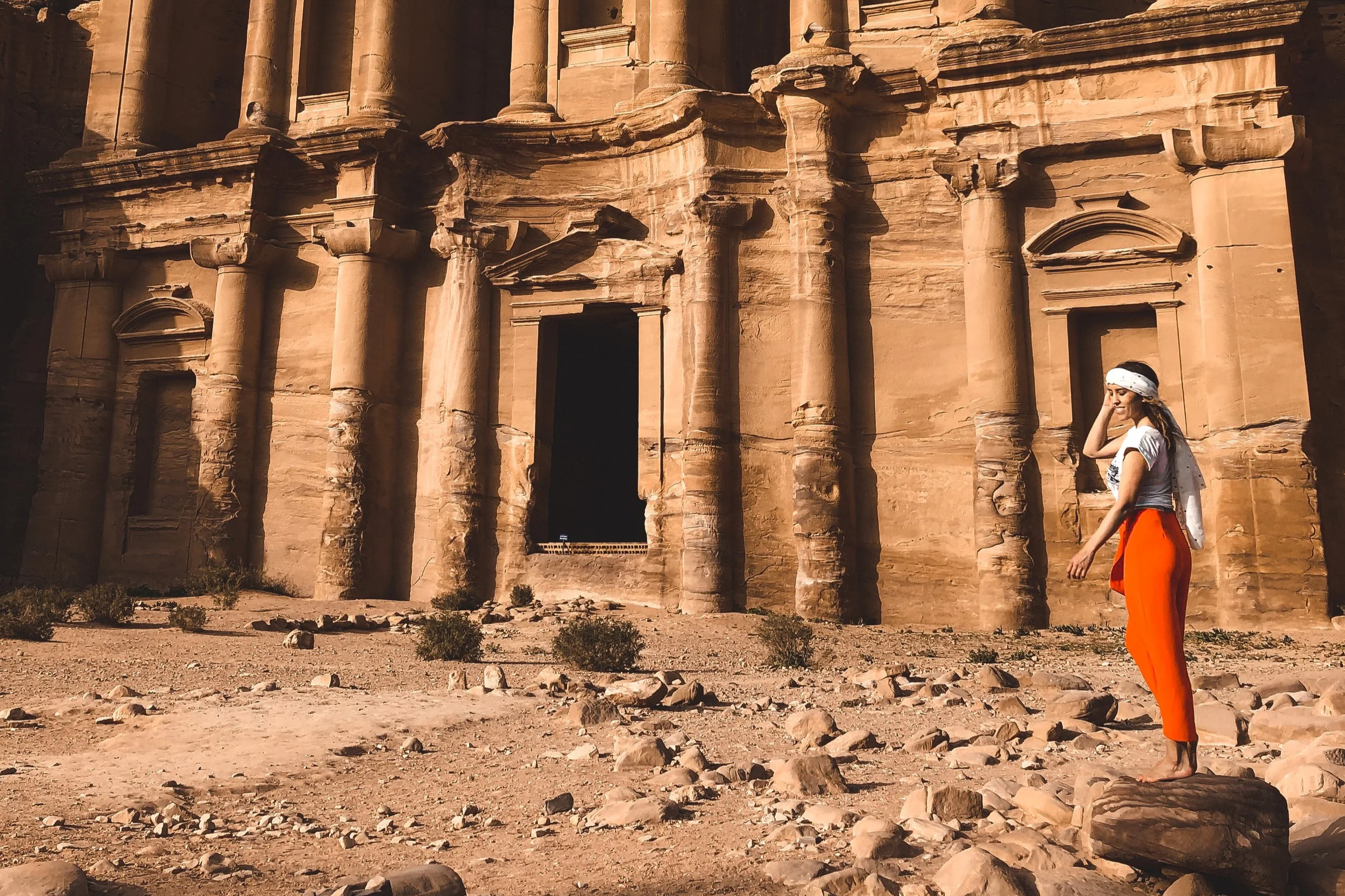
A bucket list moment in Petra.
Is Jordan safe to visit? It’s probably one of the first questions you’ll ask when you start planning a trip to the Middle East.
And honestly, I understand why.
Before my trip to Jordan, I’d seen the headlines. I’d heard the questions from friends and family. I knew Jordan shared borders with countries that had experienced serious conflict, and I knew the wider Middle East could be unpredictable.
But when I actually arrived in Jordan, my experience was very different from the picture I had built in my head.
I wandered through ancient ruins, explored Petra, spent a night in Wadi Rum, floated in the Dead Sea and walked through busy streets and markets. I met welcoming locals and travelled through some of the country's most famous tourist destinations.
Jordan felt far less intimidating than I had expected.
But there is an important distinction travellers need to understand: feeling safe on the ground and the current geopolitical security situation are not the same thing.
Jordan's location means the situation can change quickly, and official travel advice should always be checked immediately before you travel.
So, is Jordan safe to visit?
The short answer: Jordan can feel very safe for travellers, but you shouldn't ignore the wider regional security situation.
During my own trip, I felt comfortable travelling around Jordan and visiting the country's major tourist attractions.
But that personal experience shouldn't be confused with a guarantee of safety… particularly when you're travelling in a region where the security situation can change rapidly.
Jordan is located in a geopolitically sensitive part of the world, surrounded by countries and territories affected by conflict and political instability. That means Jordan can feel calm and welcoming while the wider regional situation is changing at the same time.
For me, this is the most important thing to understand.
Don't let frightening headlines automatically convince you that Jordan is unsafe. But equally, don't let beautiful Instagram photos convince you that nothing could possibly happen.
Stay travel informed, not frightened.
And before you go, check the latest official travel advice.
Is Jordan safe for tourists?
Jordan has a well-established tourism industry and millions of travellers visit its major attractions and archaeological sites.
During my trip, I found the major tourist areas to be set up for international visitors. Petra, Wadi Rum and the Dead Sea are all well established on the tourism trail, and I never felt like I was navigating somewhere unsafe or inaccessible.
The official Jordan Tourism Board also highlights tourism across destinations including Petra, Wadi Rum, Amman, the Dead Sea, Jerash and Aqaba.
But tourist safety isn't simply about whether a destination has lots of visitors.
You still need to think about:
Regional security
Terrorism
Demonstrations and civil unrest
Border areas
Road safety
Weather
Scams and persistent vendors
Cultural differences
Your own travel insurance
Changes to flights and transport
In other words, Jordan isn't a destination where you should switch your brain off just because you're on holiday.
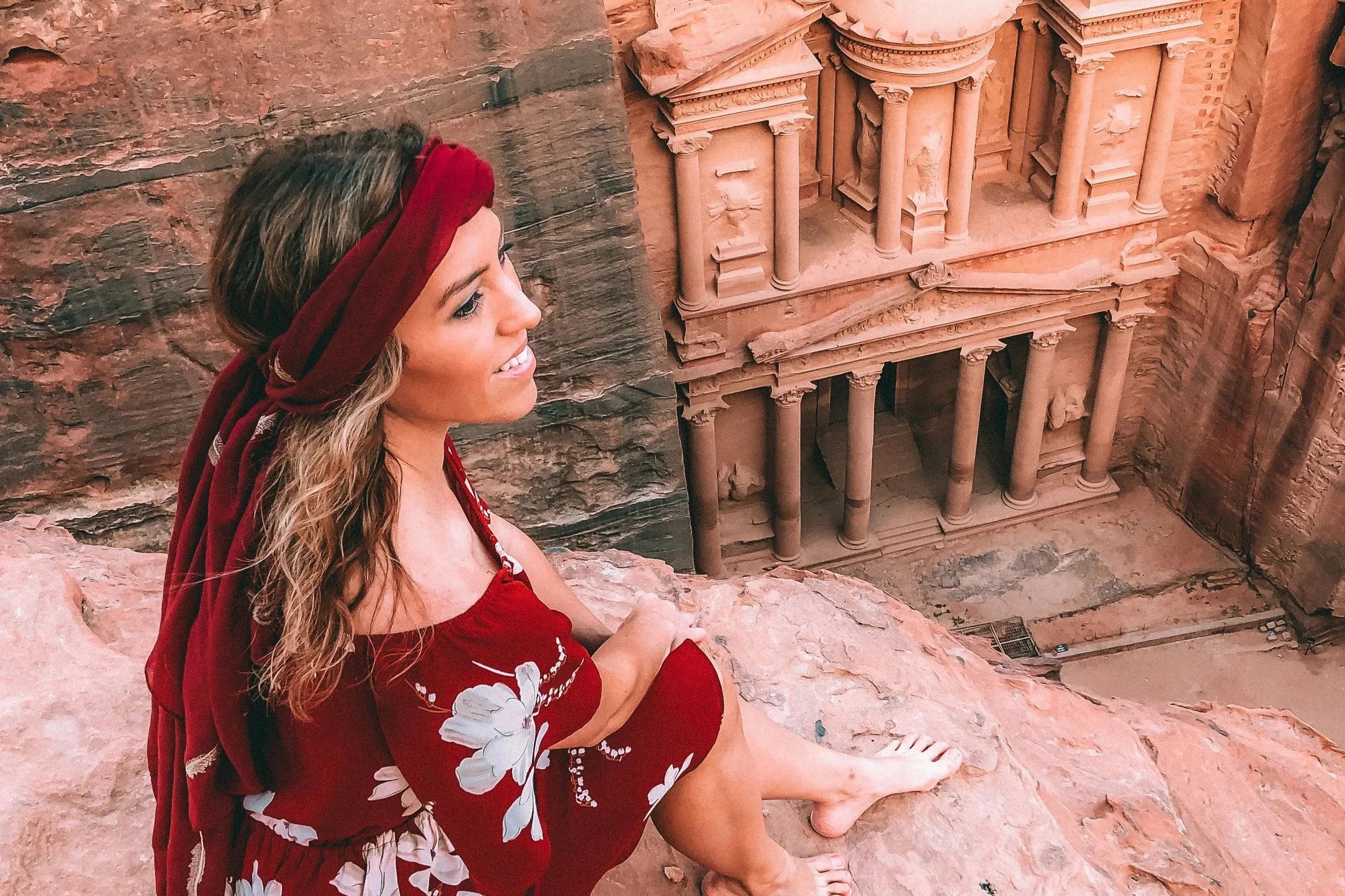
The incredible Treasury is the highlight of Petra.
What are the main safety concerns in Jordan?
There are several different types of risk to consider, and they're not all related to conflict.
1. The regional security situation
This is the biggest consideration right now.
Jordan's location in the Middle East means regional conflict can have consequences even when Jordan itself isn't the centre of the conflict.
The situation can also affect:
Flights
Airspace
Border crossings
Road travel
Public transport
Tour cancellations
Access to particular regions
This is why checking current advice is more important than reading an old "Jordan is safe" article.
My tip: Don't just check the travel advice when you book your trip. Check it before booking, before departure, when you arrive, and whenever there is a significant regional development.
2. Terrorism
Terrorism is another risk travellers should be aware of.
That doesn't mean walking around Jordan expecting something terrible to happen. It means using the same principle I use when travelling anywhere:
Know what's happening around you.
Avoid demonstrations and large gatherings if tensions are high, follow instructions from local authorities and don't deliberately put yourself somewhere simply because it's where everyone else is going.
3. Demonstrations and political gatherings
Jordan has experienced demonstrations and political protests.
You may see gatherings in cities, particularly around politically sensitive events.
If you come across a demonstration: Don't join in. Don't stop to watch. Don't photograph people unnecessarily. Move away.
This is one of those travel situations where curiosity can get you into trouble. You don't need to understand exactly what's happening before deciding to leave.
4. Border areas
Jordan shares borders with Israel, the West Bank, Syria, Iraq and Saudi Arabia.
The situation around some border areas can be significantly different from the tourist destinations most visitors experience.
If your itinerary takes you towards a border region, check the current travel advice carefully rather than assuming the same advice applies throughout the country. This is particularly important because travel advice can apply different warnings to specific regions.
Is Petra safe?
Petra felt like one of the easiest places in Jordan to navigate as a traveller.
It is one of the country's major tourist attractions, with managed entry, established walking routes and a Tourism Police presence.
The official Jordan Tourism Board also describes Petra as one of the country's key attractions. But there are other safety issues to think about inside Petra.
The biggest ones are actually quite practical:
Heat
Dehydration
Uneven terrain
Steep steps
Slippery rocks
Fatigue
Flash flooding during periods of heavy rain
Some of Petra's most spectacular viewpoints involve significant climbs. And this is where I think travellers sometimes underestimate the experience.
Petra is enormous.
It's not a quick walk to the Treasury, a photo and back to the car. You're potentially walking for hours over uneven surfaces, often in the sun. Wear proper shoes, carry water, protect yourself from the sun and don't push yourself beyond your limits.
For everything you need to know about planning your visit, read my Guide to Visiting Petra, Jordan: How to Experience the Rose City Without the Crowds.
Is Wadi Rum safe?
Wadi Rum was one of the places in Jordan where I felt most removed from the outside world. And that's exactly what makes it magical.
It's also why you need to take a little responsibility for your own safety. You're in a huge desert environment with limited infrastructure.
When I visited, we explored the desert by Jeep, climbed sand dunes, watched the sunset and stayed overnight at a Bedouin camp.
It was incredible.
But I wouldn't recommend heading deep into Wadi Rum completely unprepared.
My Wadi Rum safety tips:
Book with a reputable camp or tour operator.
Let someone know your plans.
Carry water.
Take sun protection seriously.
Bring warm layers for the evening.
Don't wander into remote areas alone.
Follow your guide's instructions.
Be aware that mobile reception and electricity can be limited.
Don't underestimate how quickly temperatures can change.
And if you're considering a desert camp, choose one with good reviews and clear communication about transfers, meals and activities.
You can read more about my experience in Wadi Rum, Jordan: A Desert That Feels Like Another Planet.
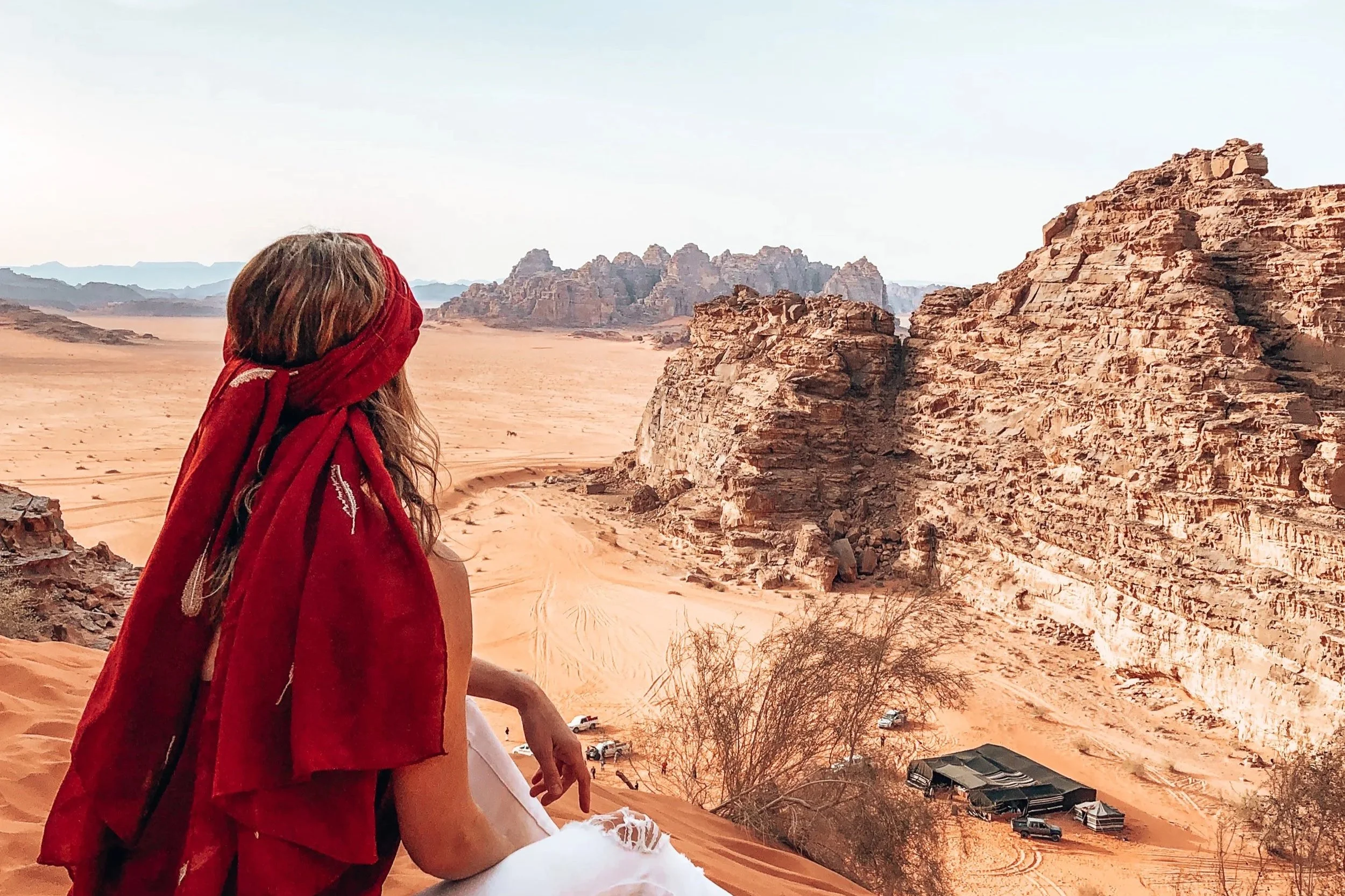
Views worth climbing sand dunes for in Wadi Rum.
Is Jordan safe for solo female travellers?
This is one of the questions I see most often when people consider travelling to Jordan.
And my answer is nuanced.
Jordan can be a very rewarding destination for solo female travellers, but you should travel with awareness and cultural sensitivity.
During my time in Jordan, I found people to be incredibly welcoming. But Jordan is culturally different, and understanding that difference will make your trip easier.
A few things I'd recommend:
Dress respectfully.
You don't need to cover yourself completely, but modest clothing is generally the easiest option, particularly outside resorts and tourist areas.
Trust your instincts.
If an interaction feels uncomfortable, you don't need to be polite at the expense of your own boundaries.
A simple: "No, thank you." and walking away is enough.
Be cautious about accepting invitations from strangers.
Friendly conversations are part of travelling, and some of my favourite travel moments have come from interactions with locals.
But there's a difference between being open to connection and putting yourself in a situation you're uncomfortable with.
Choose accommodation carefully.
Read recent reviews and consider location, particularly if you'll be arriving late at night.
Share your itinerary.
Let someone at home know where you're staying and what your plans are, particularly if you're heading into remote areas.
And remember… solo travel doesn't mean travelling completely alone.
A local guide, organised tour or group experience can be a great way to experience parts of Jordan while still maintaining independence.
What about scams and being hassled?
If you're used to travelling in popular tourist destinations, you'll probably recognise some of this.
At major attractions, you may encounter people selling:
Souvenirs
Camel or donkey rides
Tours
Taxi rides
Other services
Sometimes the best response is simply a friendly but firm: "No, thank you."
You don't need to become confrontational. And you don't need to feel guilty for saying no. One of my biggest travel lessons after 20+ years of travelling is that being friendly doesn't mean you have to say yes to everything.
Be curious… be respectful… but keep your boundaries.
Is it safe to drive in Jordan?
This is an area where I'd exercise more caution.
Road safety is a genuine consideration when travelling around Jordan. If you're hiring a car, don't assume that driving conditions will feel the same as they do at home.
Before driving, consider:
Road conditions
Local driving habits
Night driving
Navigation
Speed
Desert roads
Weather
Your own confidence behind the wheel
If you're uncomfortable driving overseas, you have alternatives. Jordan can also be explored using organised tours, private drivers, taxis and other transport options depending on your route.
Don't hire a car simply because you think you "should". Choose the option that lets you enjoy the trip rather than spending the entire journey worrying about the road.
What about natural hazards?
Not every travel risk comes from people or politics. Jordan's landscape creates its own challenges.
Heat and dehydration
Petra and Wadi Rum can become extremely hot, particularly during summer.
Carry water, wear a hat and use sunscreen. If you're hiking, start early where possible.
Flash flooding
Heavy rain can create dangerous flash floods, particularly in valleys and narrow areas. This is especially relevant around Petra and other desert landscapes.
If local authorities close an attraction or your guide tells you not to enter an area because of weather conditions… Listen.
That photo isn't worth risking your life for.
Desert conditions
Wadi Rum may look peaceful, but it's an enormous desert environment.
Don't wander off alone simply because you want to find the perfect photograph. The best travel photographs aren't worth getting lost for.
What should you do in an emergency?
Save the local emergency number before travelling, such as police, fire and medical emergencies in Jordan.
I'd also recommend:
Saving your accommodation's phone number
Keeping your passport details accessible
Having travel insurance information saved offline
Downloading offline maps
Keeping a charged power bank with you
Sharing your itinerary with someone at home
And don't rely entirely on your phone. A screenshot is sometimes more useful than an app when you have no signal.
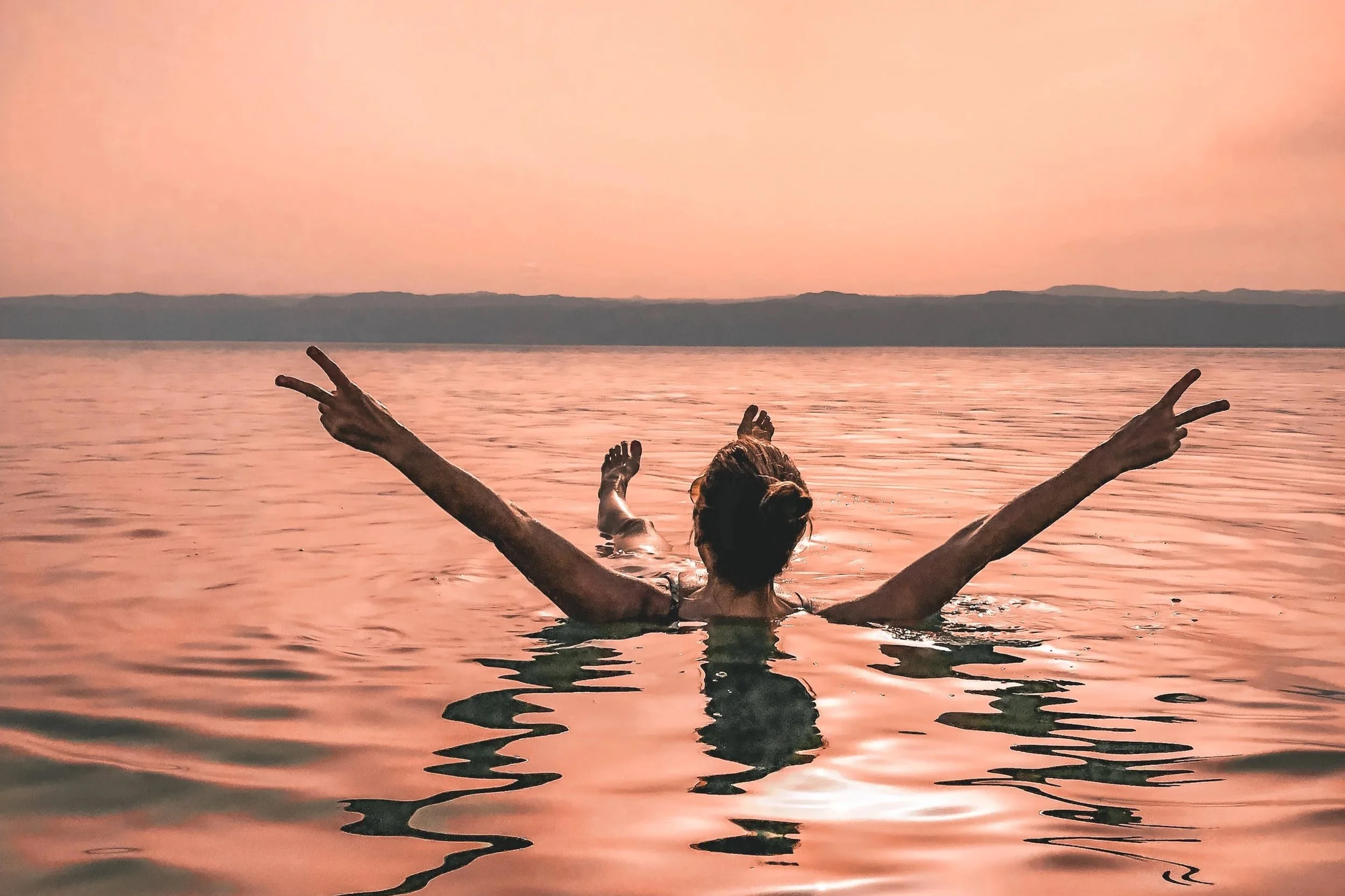
Floating in the Dead Sea is an experience I’ll never forget.
Travel insurance is not optional
If you're travelling to Jordan, I wouldn't skip travel insurance. And this is particularly important when there is a changing security situation.
Before purchasing a policy, read the Product Disclosure Statement (PDS) and understand exactly what is and isn't covered.
Pay particular attention to:
Travel warnings
War and conflict exclusions
Terrorism
Cancellation
Medical expenses
Evacuation
Flight disruptions
Border closures
Natural disasters
One of the biggest mistakes travellers make is buying insurance after something has already happened. Insurance is designed for the unexpected… not for a problem that's already known.
10 simple Jordan safety tips I'd follow
If you want the quick version, save this list.
Before you go
Check travel safety levels and warnings. .
Check your travel insurance covers your destination and circumstances.
Register your itinerary with relevant government travel services where appropriate.
Save important documents offline.
Download offline maps.
While you're there
Stay aware of regional developments.
Avoid demonstrations and large political gatherings.
Stay away from restricted or sensitive government and military locations.
Respect local customs and dress appropriately.
Trust your instincts and don't take unnecessary risks.
And perhaps the most important one: Don't let fear stop you from travelling… but don't let excitement override common sense either.
What I wish I'd known before travelling to Jordan
If I could go back to the beginning of my Jordan trip, I wouldn't spend so much time worrying about whether the country would feel "scary".
Because once I arrived, that wasn't what occupied my mind.
I was thinking about Petra, staring at the landscape in Wadi Rum, trying not to fall over while walking across the Dead Sea, eating local food, and taking far too many photos.
I was having those little travel moments that don't appear on an itinerary.
And that's the thing about travel. Sometimes we let the geography of a destination make assumptions for us.
Jordan is in the Middle East. That doesn't tell you what your experience will be.
At the same time, the opposite is also true. My experience doesn't mean you should ignore current events or official travel advice. Both things can be true: Jordan can feel incredibly welcoming and safe in everyday life, while the wider security situation can still require serious consideration.
That's the nuance I wish more travellers understood.
So, should you travel to Jordan?
That's ultimately a personal decision.
And particularly right now, it should be based on current official advice, not an old blog post, TikTok video or Instagram Reel.
If the official advice allows you to travel and you decide Jordan is right for you, prepare properly. Know where you're going, understand the culture, have appropriate insurance, keep an eye on the news, be flexible with your itinerary… and don't assume that a destination is either completely safe or completely dangerous.
Travel rarely works in absolutes.
For me, Jordan was one of those trips that reminded me why I travel in the first place… the ancient history, the landscapes, the people, the unexpected moments, the feeling of standing somewhere I'd seen in photographs for years and finally thinking… I'm actually here.
And that's the shift from tourist to traveller I'm always chasing.
Planning a trip to Jordan?
Don't miss:
Planning your own bucket-list adventure? Join the Tourist to Traveller community for travel inspiration, practical tips and destination guides designed to help you travel smarter, and experience more.
Important travel advice
Travel conditions can change quickly. The information in this article reflects the situation and official advice available when it was last updated, but it should not replace official government travel advice. Always check the official advice before booking and again immediately before departure.
The official Jordan Tourism Board is also a useful source for destination information, attractions and practical travel planning.